
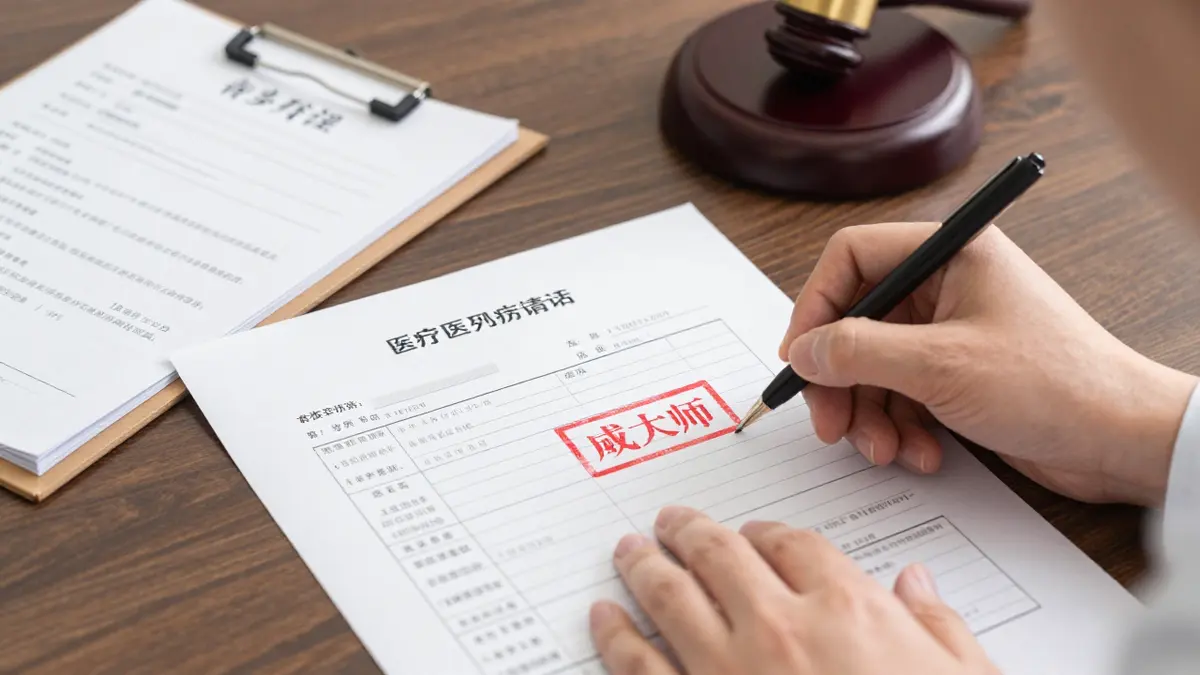
A business contract is most useful when it explains what each party must do, how performance will be verified, and what happens if a deadline or obligation is missed. When a dispute arises in China, the signed text is only part of the record: purchase orders, delivery records, invoices, payment evidence, and contemporaneous communications can help show how the parties formed and performed their agreement.
The PRC Civil Code governs contract formation, performance, and remedies. This guide summarizes practical points for foreign businesses contracting with Chinese counterparties, including written and electronic contracts, breach remedies, loss calculations, force majeure, and major changes in circumstances. The applicable law, forum, and available remedy depend on the contract and facts, so review important terms before signing or stopping performance.
Make the agreement and its scope clear
The Civil Code recognizes contracts formed through agreement and provides for written, oral, and other forms unless a law or regulation requires a particular form or the parties agree otherwise. Written form includes a document, letter, or data message that can tangibly show its contents, including qualifying electronic data messages. For a cross-border business relationship, a signed written agreement is generally easier to administer and prove than relying on scattered oral commitments.
Identify the correct legal names of the parties, authorized signatories, products or services, specifications, quantities, price and currency, tax and invoicing arrangements, delivery or completion milestones, acceptance criteria, payment dates, and notice addresses. Attach the applicable technical specifications, statements of work, or order forms and state how later changes must be approved. In a bilingual contract, check that both language versions align and identify which text controls if they differ.
Set practical performance and recordkeeping duties
Civil Code Article 509 requires parties to perform their obligations fully and in good faith and to observe related duties such as notice, assistance, and confidentiality according to the nature and purpose of the contract and trade practices. Translate those general obligations into workable steps: who provides information, who inspects or accepts delivery, how defects are reported, how cure periods run, and how a party gives a valid notice.
Keep an organized performance file. Preserve the executed contract and amendments, purchase orders, delivery and acceptance records, project milestones, invoices, bank records, quality reports, notices of delay or defect, and relevant emails or business-platform messages. Store original electronic records with dates and context. If a dispute develops, prepare a dated chronology linking each alleged breach to the contract clause and the supporting evidence.
What remedies may follow a breach
Under Article 577, a party that fails to perform or performs inconsistently with the agreement may be liable for remedies that include continued performance, remedial measures, or compensation for loss, subject to the contract and applicable law. The appropriate remedy depends on what was promised, whether performance remains possible, the seriousness of the breach, and what the claimant can prove.
Article 584 provides that damages for breach generally correspond to losses caused by the breach, including benefits the non-breaching party would have obtained, but are limited by what the breaching party foresaw or should have foreseen when the contract was made. Keep evidence of actual costs, replacement purchases, lost sales or production where supportable, mitigation steps, and the link between the breach and each claimed amount. A demand that is not tied to evidence and foreseeable loss may be difficult to recover in full.
Parties may agree on liquidated damages or a method for calculating loss. Under Article 585, a court or arbitration tribunal may increase an agreed amount that is substantially lower than the loss, or reduce an amount that is excessively higher than the loss, at a party’s request. There is no automatic rule that every clause above a fixed percentage is invalid. Draft a reasonable clause, preserve loss evidence, and get advice before assuming the stated amount will be awarded as written.
Force majeure and major changes in circumstances
Article 590 addresses force majeure: a party may be exempted from liability to the extent performance is prevented by a force majeure event, unless law provides otherwise. The affected party should give prompt notice to reduce potential loss and provide proof within a reasonable time. A party already in delay before the force majeure event may not rely on it to avoid that delay liability. Review the contract’s notice, mitigation, and continuity provisions alongside the statutory rule.
Article 533 addresses a different situation: after contract formation, a fundamental change in circumstances that was unforeseeable when the contract was made, is not a commercial risk, and makes continued performance manifestly unfair to one party. The parties should first seek renegotiation. If they cannot agree within a reasonable period, a party may ask a court or arbitration tribunal to modify or terminate the contract under the statutory conditions. Ordinary price changes or a poor commercial outcome do not automatically satisfy this test.
Plan dispute resolution before a dispute
Review the governing-law, dispute-resolution, language, notice, and service provisions before signing. Specify a workable forum and process and ensure the clause is consistent with the parties’ commercial structure. Keep an internal calendar for contractual notice windows and any applicable statutory limitation period. The Civil Code generally provides a three-year limitation period for civil claims, subject to the rules on when it starts and events that may affect its running.
Practical contract review checklist
- Confirm each party’s legal identity, authority, and correct execution details.
- Define deliverables, specifications, milestones, acceptance, payment, and change control.
- Set notice methods, cure periods, suspension rights, and termination steps.
- Make damages and liquidated-damages terms measurable and proportionate to the business risk.
- State how force majeure notices, evidence, mitigation, and resumption will work.
- Choose dispute-resolution terms and governing law that fit the transaction.
- Keep an evidence file and seek advice promptly when a material breach or missed deadline occurs.
Yunying Zeng advises businesses on PRC contract drafting, performance, and disputes. A contract review should be tailored to the transaction, counterparties, and likely enforcement route.