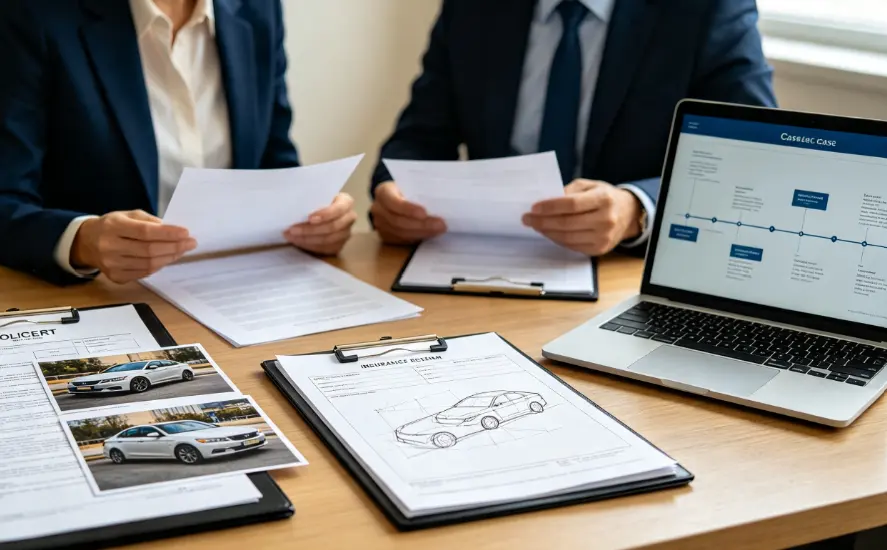
A traffic accident claim can become more complicated when the driver was using a rented or borrowed car. The injured person may need to identify the driver, vehicle owner or manager, insurer, and any other potentially responsible party. Ownership alone does not answer who must pay; the legal rule and evidence about the vehicle owner's conduct matter.
A Supreme People's Court interpretation effective June 30, 2026 addresses liability where the driver and vehicle owner or manager are different people. The decision still depends on the facts, including whether the owner or manager was at fault. Preserve the accident record, medical evidence, insurance information, and documents showing how the vehicle was provided.
Start with safety, police records, and medical care
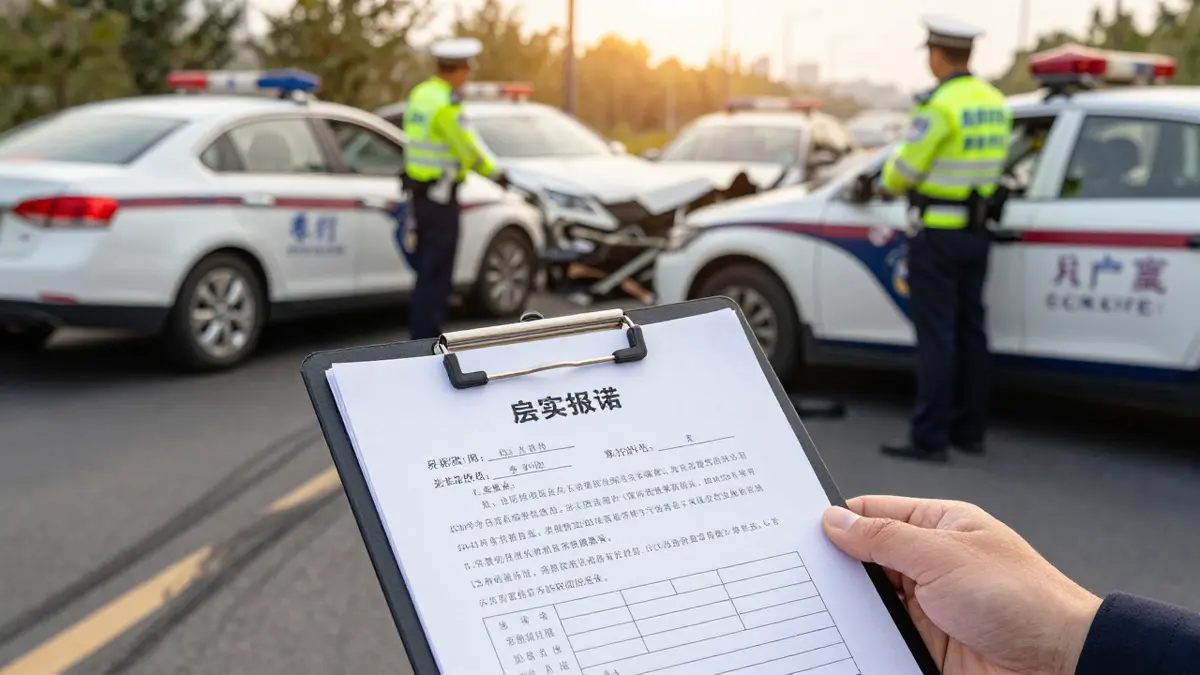
Seek emergency help where needed and report the accident through the appropriate traffic-police process. Obtain the accident determination documents and keep photographs, witness details, repair records, and communications with the driver or insurer. If a document is in a language you do not understand, get a reliable translation before signing or accepting a final settlement.
Keep medical records, receipts, prescriptions, travel expenses, and evidence of time away from work. Record the sequence of treatment and any continuing limitation. A demand should connect each claimed loss to supporting documents and avoid double counting.
Identify the driver, owner, and insurance
Record the vehicle plate, registration details, insurer, policy information, and the name of the person who owned or managed the vehicle. If it was rented or borrowed, preserve the rental agreement or messages about permission to use it. Do not assume a rental company, owner, or manager automatically shares all liability.
Under Article 1209 of the Civil Code, the motor-vehicle user generally bears responsibility for harm caused while using the vehicle, while an owner or manager who is at fault may bear corresponding liability. The Supreme People's Court's Interpretation II, in force from June 30, 2026, explains that in a claim against both the user and an at-fault owner or manager, the user bears the tortfeasor's full liability and the owner or manager shares liability to the extent of fault, subject to the total compensation not exceeding the loss owed.
Build the claim around evidence
Keep the police determination, scene images, vehicle records, witness contacts, medical file, and insurer correspondence together. If the owner or manager allegedly knew about a vehicle defect or an unqualified driver, preserve reliable evidence of that fact. The court assesses fault from the evidence; a dispute about ownership or permission alone does not decide the case.
Before signing a release, check whether it covers future treatment, disability assessment, lost income, and claims against all parties. Ask for the payment amount, schedule, and effect of accepting it in writing.
Claim preparation checklist
- Collect accident and vehicle identification records.
- Identify the driver, owner or manager, and insurer.
- Keep medical and income-loss evidence in date order.
- Preserve any rental, lending, or maintenance record relevant to fault.
- Get advice before accepting a final payment or release.
Sources: Supreme People's Court Interpretation II on Road Traffic Accident Compensation, effective June 30, 2026; Civil Code, Supreme People's Court.