
If you are injured while working and your employer will not assist, do not assume that the claim is closed. Work-injury recognition is a formal administrative process with deadlines and supporting-document requirements. The worker, a close relative, or a trade union may have a route to apply when the employer has not filed within the required period.
Get medical care first, preserve evidence of the incident and employment relationship, and check the current process with the local social-insurance or work-injury authority. The facts, work arrangement, location, and applicable rules affect the result.
Know the filing periods
Under the Work Injury Insurance Regulations, an employer generally should apply for work-injury recognition within 30 days after the accident or diagnosis of an occupational disease, subject to a possible extension in specified circumstances. If the employer does not apply, the injured worker, a close relative, or a trade union may apply directly within one year. Confirm the applicable start date and filing authority promptly; do not wait for an internal investigation to finish.
Preserve the incident and work records
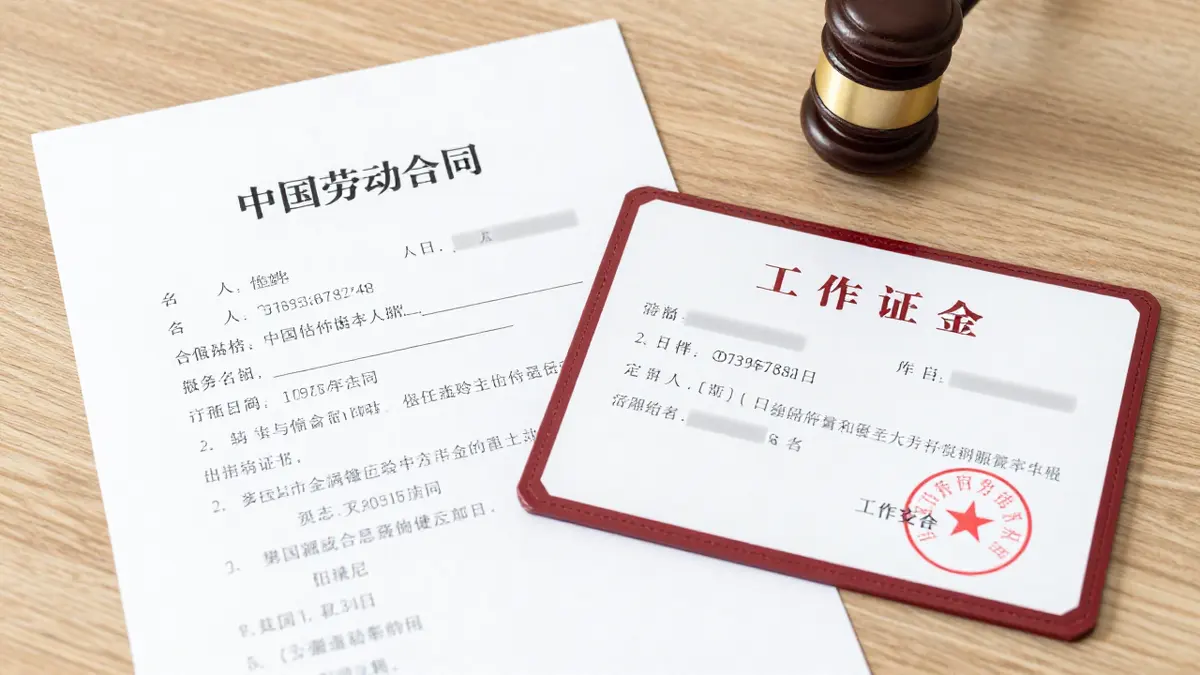
Keep the employment contract, work permit if applicable, payroll or bank records, schedules, work instructions, attendance records, and names of witnesses. For the incident, record the date, time, location, task, equipment, supervisor instructions, and immediate report. Preserve photos, messages, incident forms, ambulance or hospital records, diagnosis, imaging, and treatment receipts. Ask witnesses to make their own accurate notes rather than coordinating accounts.
Prepare the application carefully
Check the current local application form and required materials. Explain the employment connection and how the injury occurred, identify the employer and worksite, and attach medical documents and available incident evidence. If the employer disputes the work relationship or refuses records, tell the authority and ask counsel how to establish the facts through other lawful evidence.
After recognition
Recognition is not the same as deciding every benefit amount. A disability assessment, medical treatment, wage-related benefits, and disputes about payment may involve separate steps. Keep copies of decisions and note deadlines for review or challenge. Get advice before signing a settlement that releases future medical or benefit claims.
Sources: Work Injury Recognition Measures; Labor Contract Law.