

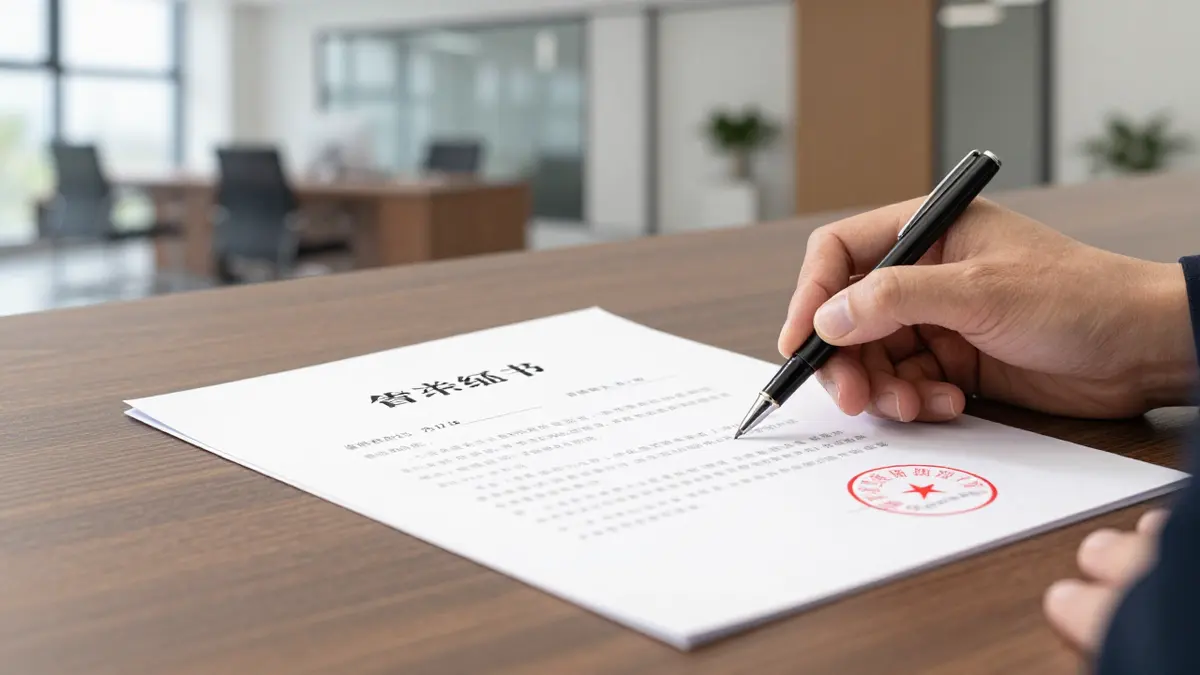
A supplier that delivers production equipment before receiving the full price may want to keep ownership until the buyer pays. China’s Civil Code allows a sale contract to reserve title, but the clause needs to identify the unpaid obligation and the equipment it covers. An unregistered reservation cannot be asserted against a bona fide third party.
Recovery after default also has limits. The seller’s statutory recovery right depends on the buyer’s conduct and, for unpaid price, a demand followed by a reasonable time to pay. This guide explains how the title reservation, notice, redemption, and resale rules fit together for machinery sales in China.
Put the title reservation in the sale contract
Article 641 of the Civil Code permits the parties to agree in a sale contract that ownership of the goods remains with the seller if the buyer has not paid the price or performed another agreed obligation. State clearly which obligations keep title with the seller and when ownership transfers after they are completed. A general statement that the seller “owns the equipment” may leave disputes about whether the clause covers the purchase price, installation charges, or another duty.
Describe the equipment so it can be matched to the clause: model, serial number, quantity, configuration, and delivery record. If the sale covers multiple units or staged deliveries, identify each unit and the payment allocation. Keep the signed contract, invoices, shipping and installation records, and acknowledgements showing where the equipment was delivered.
Registration affects third-party protection
A retained-ownership clause that is not registered cannot be asserted against a bona fide third party under Article 641. Registration therefore matters where the equipment may be sold, pledged, or become relevant to a buyer’s other creditors. The registration issue is separate from the contract between seller and buyer: a clause can govern those parties while still lacking effect against a qualifying third party if it is unregistered.
Before delivery, identify who will hold and use the equipment, whether it may be moved or incorporated into a production line, and who must cooperate with registration. Check the applicable registration process and keep proof that the filing covers the correct parties and equipment. Registration does not make an inaccurate or poorly identified description useful, so reconcile the filing against the contract and asset records.
Recovery requires the statutory conditions
Article 642 addresses recovery before ownership transfers. Unless the contract provides otherwise, the seller may seek to recover the goods where the buyer’s conduct harms the seller and the buyer has failed to pay as agreed after a demand and a reasonable period, has failed to complete a specified condition, or has sold, pledged, or otherwise improperly disposed of the goods. The statute does not create an unconditional right to enter a factory and remove machinery whenever an installment is late.
The seller may first negotiate recovery with the buyer. If they cannot agree, the Civil Code refers to the procedure for realizing security rights. Article 64 of the Supreme People’s Court’s Interpretation on the Security System says a court should support a recovery request that meets Article 642 and may allow the parties to seek auction or sale through the security-rights realization procedure. Plan for documented notice, a reasonable cure period, access arrangements, and a lawful process if voluntary return is not agreed.
The buyer has a redemption opportunity
After the seller recovers the equipment under Article 642, Article 643 allows the buyer to redeem it by curing the reason for recovery within the period agreed by the parties or a reasonable period set by the seller. The contract should explain how notice of recovery is delivered, how the cure amount is calculated, where payment must be made, and how the redemption deadline is determined.
If the buyer does not redeem within that period, the seller may sell the equipment to a third party at a reasonable price. Sale proceeds are applied to the unpaid price and necessary expenses. Any surplus must be returned to the buyer, while any shortfall remains payable by the buyer. Keep an independent record of valuation, sale terms, expenses, and the final accounting.
Drafting and administration checklist
- Use express retained-title wording in the sale contract and define the obligations that delay transfer of ownership.
- Identify each machine or unit by durable asset details and link it to delivery and payment records.
- Address registration responsibility, cooperation, and updates if the equipment or contract details change.
- Set a notice method and a reasonable payment cure period before seeking recovery for nonpayment.
- Specify access, removal, transport, storage, insurance, and reasonable costs if the parties agree to a voluntary return.
- State how the buyer may redeem the goods and how a later sale and surplus or shortfall will be documented.
Retained title is a contract and asset-control tool, not a substitute for delivery records, registration where needed, or a lawful recovery process. Have the clause reviewed against the actual payment structure, equipment location, and third-party interests before delivery.


