A bonded warehouse or zone changes the customs status and controls attached to goods; it is not simply ordinary inventory stored near a port. Map each unit from arrival through storage, processing, transfer, domestic sale, export, or destruction. The customs file, warehouse ledger, enterprise system, and physical count should describe the same movement. For Rizhao, map the people, goods, records, and decision makers. A place name alone does not establish venue; identify where each party and record sits.
Use this evidence workflow to separate confirmed facts from assumptions, preserve source records, and ask counsel to identify the available legal route.
Frame the decision before choosing a route
A bonded warehouse or zone changes the customs status and controls attached to goods; it is not simply ordinary inventory stored near a port. Map each unit from arrival through storage, processing, transfer, domestic sale, export, or destruction. The customs file, warehouse ledger, enterprise system, and physical count should describe the same movement.
Use Rizhao as a practical intake boundary: list the local decision maker, operation, and records, then identify any action or evidence owned by a different entity or jurisdiction. This makes the handoff testable without assuming that one city controls the whole matter.
Assemble a source-led record
Start with the records that prove identity, timing, authority, and performance. Keep the original file names and timestamps. Use a short index that says what each record proves and what it does not prove; do not use an executive summary as a substitute for the underlying document.
- import and export declarations, release messages, manifests, invoices, and packing lists
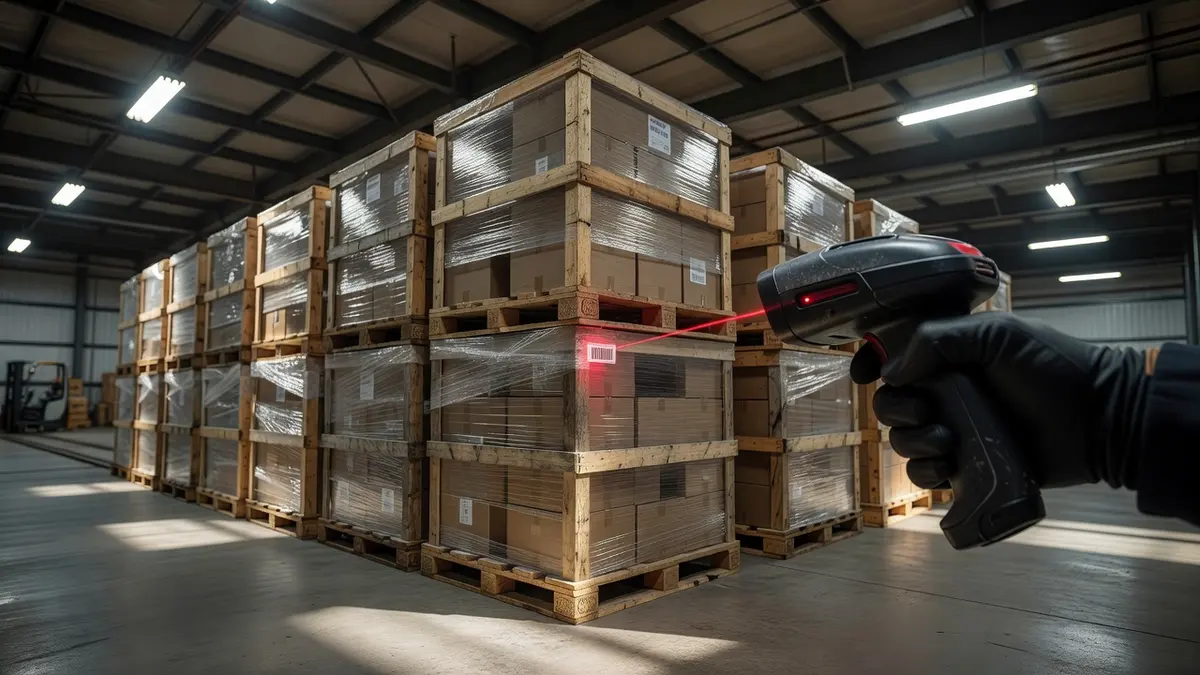
- bonded warehouse receipt, location, inventory ledger, production issue, scrap, and adjustment record
- processing or transfer authorization and the customs status recorded at each event
- valuation support, assists, royalties, freight, insurance, related-party terms, and exchange rate
- reconciliation statements, discrepancy notices, broker instructions, and payment evidence
Use a staged work plan
- Select one product lot and trace it through every system using one identifier. Record when control and customs status change.
- Reconcile quantity, unit of measure, loss or scrap, transfer, and value. Have logistics and finance explain each adjustment with a source document.
- Before a domestic sale, transfer, processing change, or correction, ask the customs team which approval, declaration, tax, or release step applies and preserve its response.
Keep the analysis within the evidence
A warehouse system may show where goods are physically located while the customs record shows a different status. A commercial invoice may also omit information needed to support valuation. Do not treat a broker spreadsheet as a replacement for declarations and official release records.
Where the current law, authority practice, contract language, or deadline is uncertain, record the question and have qualified counsel confirm it from the operative source. Avoid turning an example, industry custom, or another company’s filing into a rule for this matter.
Prepare a focused counsel handoff
For {place} operations, bring a shipment-level diagram and one reconciled sample lot to customs counsel or the broker. Ask them to identify gaps in status, declaration, value, and release before scaling the review.
Send a one-page chronology, a document index, the decision needed, and the next fixed date. Ask for a staged scope: immediate preservation or response, route and deadline, merits review, and follow-up implementation. Keep commercial decisions with the authorized business owner and legal conclusions with counsel.
Primary references: PRC Customs Law (official government text); Customs goods-classification rules (Beijing government portal). Check the current text and local procedure before relying on a summary.