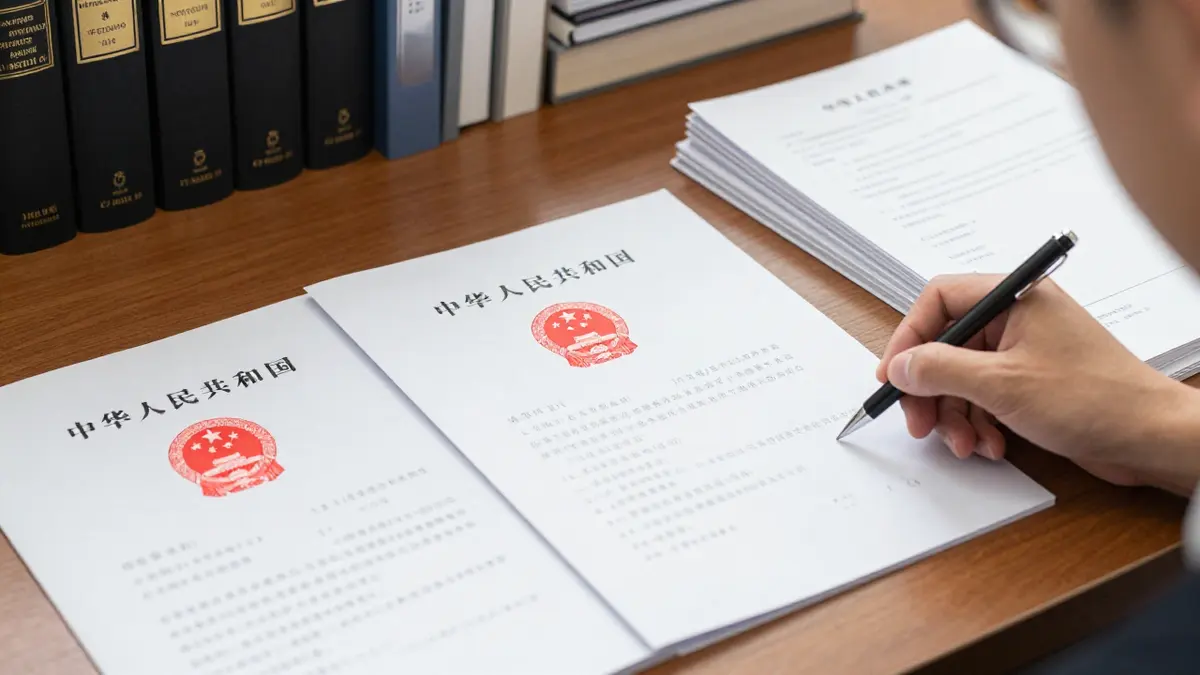

For a foreign resident in Zunyi or another inland city, the most useful immigration checklist starts with dates and documents. A visa’s entry-validity period, permitted stay after entry, number of entries, and any residence permit answer different questions. Accommodation registration and the purpose of stay matter too.
This guide explains the national rules that apply in Guizhou and elsewhere in China, what to calendar, and what to do if a passport, travel plan, or stay period changes. Local service channels may differ, so confirm the current filing steps with the exit-entry administration where you stay.
Start with the right clock
Do not read a visa as if it had one single expiry date. Check the last date for entry, the number of permitted entries, and the duration of stay allowed for each entry. The stay period generally begins when you enter; the visa’s entry-validity date answers how long you can use it to enter. A residence permit, if required after entry, has its own validity and renewal timeline.
Keep a clear record of each arrival and departure, including passport stamps and travel records. After a passport replacement or a change in immigration document, ask the local exit-entry administration how to connect the new document to the existing visa or residence record. Do not assume a fresh passport automatically carries every old permission forward.
When an entry visa leads to a residence permit
Some visa holders must apply for a foreigner residence permit after entering China. If the visa specifies that requirement, the Exit and Entry Administration Law sets a 30-day period from entry to apply at the public security exit-entry administration for the proposed place of residence. Prepare the passport or other travel document and materials explaining the residence purpose. The authority may require fingerprints and additional supporting documents.
Residence permits are not interchangeable with permission to work. A person working in China must have the required work permit and work-type residence permit. The visa or residence reason must also match the activities actually carried out. Confirm the sequence with the employer and the relevant authorities before work begins, rather than relying on a visitor, business, or family status to cover a different activity.
For a residence-permit extension, the law calls for an application within the 30 days before the permit’s validity expires. If a registered item changes, such as a passport number or other recorded detail, the holder generally must apply to update it within 10 days. Calendar these dates from the permit itself and verify the local authority’s current appointment and document process.
Register each place you stay
Hotels are responsible for registering foreign guests and reporting the accommodation information to local public security authorities. If you stay somewhere other than a hotel, you or the person hosting you must complete accommodation registration with the local public security organ within 24 hours after moving in. This can include a private apartment, a friend’s home, or another non-hotel address.
Keep the registration confirmation or other proof available. If you move, change hosts, or switch between hotel and private accommodation, ask the local service point whether a new registration is required and how to complete it. Do not assume that a landlord, employer, or online booking platform has completed the registration unless you have confirmation.
Apply before a permitted stay runs out
If the duration of stay printed on a visa needs to be extended, the statute says to apply at the exit-entry administration where you are staying at least seven days before that duration expires. Submit the supporting materials for the reason for the request. Approval depends on examination; an application is not itself permission to remain beyond the existing stay date.
The total extension cannot exceed the original duration of stay shown on the visa. If an extension is denied, the law requires departure by the existing deadline. Filing alone does not automatically change the stay deadline. The foreigner administration regulations provide that, when an extension, change, reissuance, or stay-permit application is formally accepted, the authority issues a receipt valid for no more than seven days; while the passport is held for processing, the applicant may stay lawfully on that receipt. Keep the receipt and confirm its coverage with the authority. Visa-exempt entry is also time-limited: check the period and any geographic or activity conditions that apply to the particular exemption. If an exceptional event disrupts travel, contact the local exit-entry administration promptly and ask what formal application is available. Keep medical, transport, or other evidence relevant to the delay.
For a visa extension, change, reissuance, or a stay permit, the National Immigration Administration’s service guidance generally calls for the applicant to attend in person. It lists limited situations where an inviting organization, relative, or specialized service agency may apply on the person’s behalf. Confirm whether an exception fits your facts before relying on a representative.
If you discover a possible overstay
Act promptly if you find that the permitted stay or residence period may have expired. Contact the public security exit-entry administration for the place where you are staying, explain the dates accurately, and ask what regularization or departure process applies. Do not wait until airport check-in or assume that buying a ticket, paying a fine, or filing a late request automatically resolves the status.
Under the Exit and Entry Administration Law, illegal residence can lead to a warning; in serious circumstances, the law provides for a fine of RMB 500 per day up to RMB 10,000 in total, or detention for five to 15 days. Whether a violation is serious and what decision follows depends on the case. A violation can also affect future applications or entry. Get advice based on the person’s records and preserve evidence of illness, cancellation, emergency, or other circumstances that may explain the timeline.
Keep copies of the passport identity page, visa or residence permit, entry and exit stamps, accommodation registrations, appointment receipts, and any written communication with authorities. If the document is lost or damaged, report it and promptly ask the local authority and your country’s consular service about the steps for replacement and continued lawful status.
Inland-city planning checklist
- Photograph or scan the visa page, entry stamp, and each residence permit; record separate entry, stay, and permit-expiry dates.
- Ask the host or hotel how accommodation registration is completed and retain confirmation.
- For work, coordinate the work authorization and work-type residence process with the employer before starting duties.
- Calendar a visa-stay extension at least seven days before expiry and a residence-permit extension within the final 30-day window.
- Check the current local appointment, translation, photo, and supporting-document requirements with the official exit-entry service channel.
- Contact the local exit-entry administration immediately if a deadline may have been missed or a document is lost.
Zunyi, Guiyang, Chengdu, Kunming, Chongqing, and other inland destinations apply the national framework, while appointments and service details are handled locally. Confirm the current service location and checklist for the city where you actually stay. For employers and families, assign one person to track dates and share reminders before travel, permit expiry, or a change of address.
Official sources
- National Immigration Administration: Exit and Entry Administration Law (English)
- National Immigration Administration: Exit and Entry Administration Law (Chinese text)
- National Immigration Administration: Regulations on the Administration of the Entry and Exit of Foreigners (English)
- National Immigration Administration: Guide on Visa Extension, Change and Reissuance for Foreigners
- National Immigration Administration: Instructions for Foreigners Applying for Visa Documents (Chinese text)
This is general information, not an assessment of a person’s status or a guarantee that an extension will be granted. Check the current document and service requirements against the individual’s visa, travel record, and place of stay.