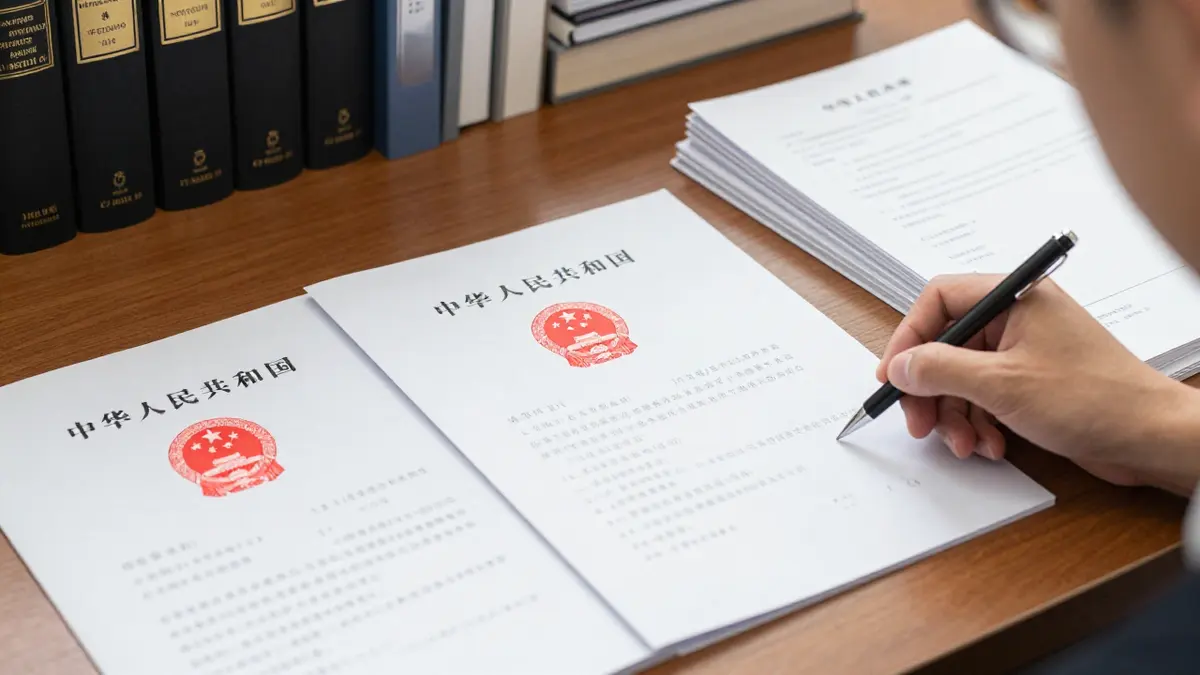
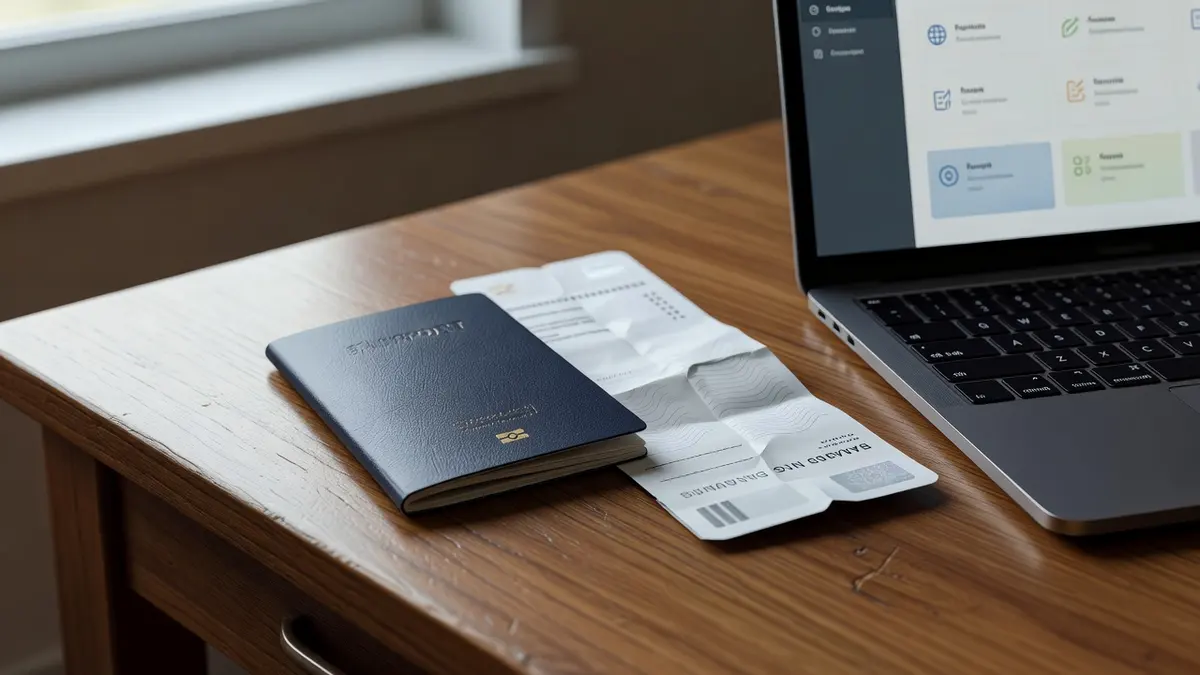
Passport checks are only one part of a foreign employee’s China compliance file. The employer and employee also need to track the permitted stay, residence-permit information, accommodation registration, and—where the person will work in China—the required work permit and work-type residence permit. A valid passport does not by itself authorize work, extend a visa, or satisfy the local accommodation-registration requirement.
China’s Exit and Entry Administration Law requires foreigners aged 16 or older to carry specified travel or stay documents for inspection, requires non-hotel accommodation to be registered within 24 hours, and requires work authorization for employment in China, subject to applicable exceptions. Since September 2026, the National Immigration Administration has also made online non-hotel accommodation registration available nationwide. This guide sets out a practical document-control routine under the rules in force as of 24 November 2026.
Check identity and document validity at onboarding
Verify the employee’s passport or other accepted international travel document against the person presenting it and the visa or stay document used to enter China. Record the document number, expiry date, visa or permit type, permitted stay or residence period, and any conditions relevant to the employee’s planned activities. Keep a secure copy where needed for the employment and immigration file; avoid retaining the employee’s original passport as a routine company record.
Build reminders for passport expiry, visa or stay expiry, residence-permit expiry, and work-permit expiry. A passport replacement can change the number recorded on a residence permit. Where a registered residence-permit item changes, the foreign resident must apply to the local exit-entry administration authority to update the registration within 10 days. Do not assume that a new passport automatically updates the immigration record.
Confirm stay and residence status
Check the actual entry and stay conditions shown in the employee’s current documents. A visa or visa-free entry may permit a defined stay but does not necessarily permit employment. Foreigners must stay within the activities allowed by their stay or residence purpose and leave before the authorized period expires unless an extension or other status is approved.
If a visa specifies that a residence permit must be obtained after entry, the holder generally must apply within 30 days of entry. Applications, extensions, replacements, or changes should be filed with the competent local public-security exit-entry authority while the current status remains valid. Keep the filing receipt and the new document in the compliance file, and check whether travel is possible while an application is pending.
Register each non-hotel address on time
When a foreigner stays in a hotel, the hotel handles the accommodation registration and reports the information to local public security. For a home, serviced apartment, or other non-hotel address, the foreigner or the person accommodating them must complete registration with the local public-security authority within 24 hours after check-in.
Since September 2026, the National Immigration Administration has made online filing available nationwide through its government service platform and “Immigration Bureau 12367” app and mini-programs. Online registration has the same effect as in-person filing. Keep the confirmation for each arrival or address change and verify that names, passport numbers, and dates match the current travel document. Check local filing instructions after travel or a move to confirm whether a new filing is required.
Keep work authorization separate from entry permission
Foreigners working in China generally need both a work permit and a work-type residence permit, and employers may not hire a foreigner who lacks the required authorization, subject to statutory exceptions. Check that the permits are valid and consistent with the employer, role, and work arrangement before the person begins work. A business, family, study, or other visa should not be treated as permission to work merely because it allows entry or residence.
When an employee changes employer, job, work location, or other material permit information, ask the local work-permit and exit-entry authorities what change, cancellation, or new application is required before the new arrangement starts. Keep the approval, work permit, residence permit, employment agreement, and any official notices together. The 2024 government guide for foreign businesspeople explains the national work-permit process; local procedures and eligible exceptions should be checked for the particular case.
Handle renewals and departures deliberately
Assign a named owner to monitor expiry dates and collect renewal documents early enough for the relevant authority’s review. If a passport is renewed, a residence permit is replaced, or a permit’s purpose or registered details change, reconcile the new document with the employer’s records and follow the applicable update deadline. If an employee’s job ends, coordinate the immigration and work-permit steps with the employee and relevant authorities; do not let an internal HR departure date substitute for a required government filing.
For an upcoming trip, check passport validity, entry requirements, visa or residence-permit validity, pending applications, and the number of permitted entries. Do not promise that a pending renewal or work-permit change will preserve re-entry rights. Obtain case-specific confirmation before travel where a document is being renewed, replaced, cancelled, or amended.
Practical control checklist
- Verify identity, passport number, document expiry, and entry or residence status at onboarding.
- Track passport, stay, residence-permit, and work-permit expiry dates separately.
- Complete non-hotel accommodation registration within 24 hours and retain confirmation.
- Update residence-permit details within the statutory period when recorded information changes.
- Confirm work authorization for the actual employer and role before work begins.
- Route passport scans and permit records to a restricted, secure file; return originals promptly.
- Review travel and immigration filings before renewals, employer changes, or departure.
Legal anchors
The primary rules are the Exit and Entry Administration Law, the Regulations on the Administration of Entry and Exit of Foreigners, the NIA’s 2026 nationwide online accommodation-registration guidance, and the government’s 2024 work and life guide for foreign businesspeople. Local filing steps should be checked with the authority responsible for the employee’s place of residence and work.