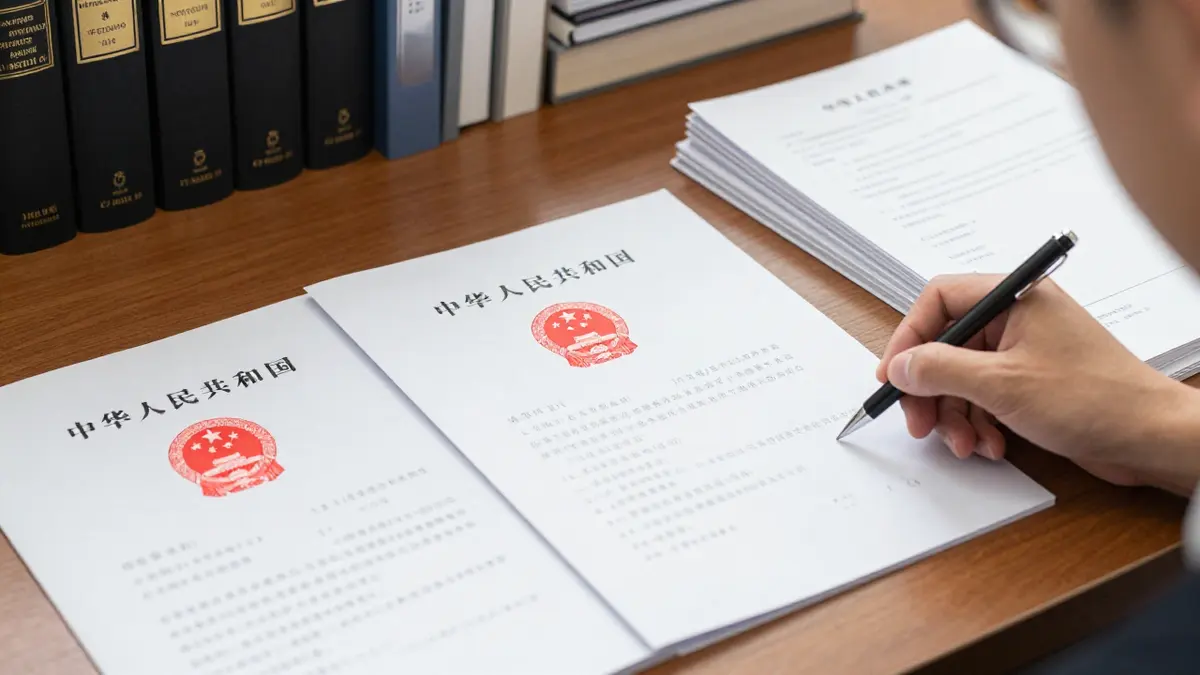

A project itinerary is not an immigration authorization. Before staff travel to China, the employer should compare each traveler’s passport, visa or visa-free basis, stated purpose, permitted entries, and stay deadline against the work actually planned. A mismatch between a short business visit and hands-on work can create problems at entry and during the assignment. Build the check around the person, trip, host, and activity rather than a generic passport-expiry rule.
For a Xizang assignment, coordinate the national immigration file with the receiving organization and the local lodging plan. Work authorization, entry permission, residence documents, and accommodation registration are separate steps, each with its own timing. This guide gives HR and project leads a repeatable pre-departure review and a short post-arrival control list.
Start with the activity the traveler will perform
Describe the work in ordinary terms: meetings, installation, supervision, training, paid services, or another on-site task. Record who directs the work, which entity receives it, where it will occur, how long the traveler will remain, and whether the traveler will receive pay from a China-based employer. The entry plan should reflect the real activity, not a label chosen for convenience.
China’s official guidance says foreigners working in China need the applicable work permit and visa or residence documents. A business or visitor label should not be treated as permission to work. If the activity falls near the line between meetings and productive work, have the China-side employer and immigration adviser classify it before tickets are booked.
Compare the passport and entry document line by line
For each traveler, record the passport’s English name, passport number, nationality, date of birth, expiry date, and issuing authority. Compare these fields with the visa, invitation, work-permit notification, work permit, residence document, and travel booking. Resolve spelling, number, or date differences before departure. Keep a secure copy of the current passport identity page and the relevant immigration documents with the trip owner.
Read the visa fields directly: visa category, number of permitted entries, entry-validity end date, duration of each stay, and passport number. Confirm that the intended arrival falls within the entry-validity period, that the traveler has an unused entry where required, and that the scheduled stay fits within the permitted duration. Do not assume that a visa valid on the planned arrival date allows a longer stay, another entry, or a different activity.
Use the issuing authority’s current instructions to assess passport validity and visa use. There is no safe substitute for checking the requirements that apply to this traveler, visa, and itinerary; avoid using a blanket “six-month passport rule” without an applicable official basis. A visa also does not guarantee admission: border authorities decide each case at inspection.
Match the work route to the assignment length
The 2025 national guide for working and living in China describes different procedures for work planned for no more than 90 days and for work planned for more than 90 days. For the shorter route, it describes a Z visa supported by the Notification Letter for Foreigner’s Work Permit and work only within the time stated on the visa. For a longer assignment, it describes the Z visa followed by an application for a work-type residence permit after entry. Confirm the current instructions for the actual case before relying on this summary.
For a longer assignment, calendar the residence-permit application within 30 days after entry where the visa requires that step. The employing organization should also track work-permit validity and submit an extension application 30 days before expiry under the current guide. Do not let a valid passport or visa conceal an expired or mismatched work authorization.
If the itinerary, employing entity, position, work location, or passport number changes after approval, ask the responsible work-permit and exit-entry authorities what amendment or replacement is required before the person continues under the old record. Keep the approval, receipt, and updated document together so travel staff can show which version controls.
Plan the first day and the local stay record
Hotels handle accommodation registration for guests under the hotel process. For lodging elsewhere, the foreign national or host must register the stay with public-security authorities within 24 hours after arrival. Since March 2026, the National Immigration Administration also provides an online accommodation-registration service for eligible non-hotel stays through its government-service platform and related official channels. Confirm eligibility and local procedure, and save the registration confirmation.
Give the traveler a named local contact, the lodging address in Chinese, the receiving organization’s phone number, and a backup copy of the passport and entry document. If the lodging changes, tell the host and traveler to check whether a new registration is needed. For multi-city work, assign a local owner at each stop rather than assuming the first hotel registration covers the entire itinerary.
Recheck the file when a passport is renewed
A passport renewal can leave the person holding an old passport with a visa and a new passport for travel. Before using that combination, obtain case-specific instructions from the visa-issuing authority, carrier, and relevant Chinese exit-entry authority. Check whether the visa remains usable, whether both passports must be carried, and whether associated work or residence records need an update; do not infer the answer from another traveler’s experience.
The national working-and-living guide says a holder of a valid residence permit who changes passports or other recorded information should apply to the local exit-entry authority to update the information within 10 days after the change. Put the change date, old and new passport numbers, appointment owner, and submission receipt on the compliance tracker. Escalate immediately if a trip is scheduled before the record can be confirmed.
Use one checklist for the traveler and employer
- Confirm the passport identity data and document validity for the planned dates.
- Match the visa or other entry basis to the real purpose, number of entries, and expected stay.
- For work, confirm the applicable work-permit route and that the permitted activity and dates cover the assignment.
- Calendar any residence-permit, work-permit extension, and passport-change update deadlines.
- Give the traveler the host contact, Chinese lodging address, and first-night accommodation-registration plan.
- Save approval notices, application receipts, entry details, registrations, and the final itinerary in a controlled file.
If a document expires, a passport number changes, a trip purpose expands, or border staff raise a question, pause the affected work and obtain advice from the responsible authority or qualified counsel. For a broader overview of employment authorization, see the official Guide to Working and Living in China and the National Immigration Administration’s Exit and Entry Administration Law text. This article is general information, not advice on a particular traveler or assignment.