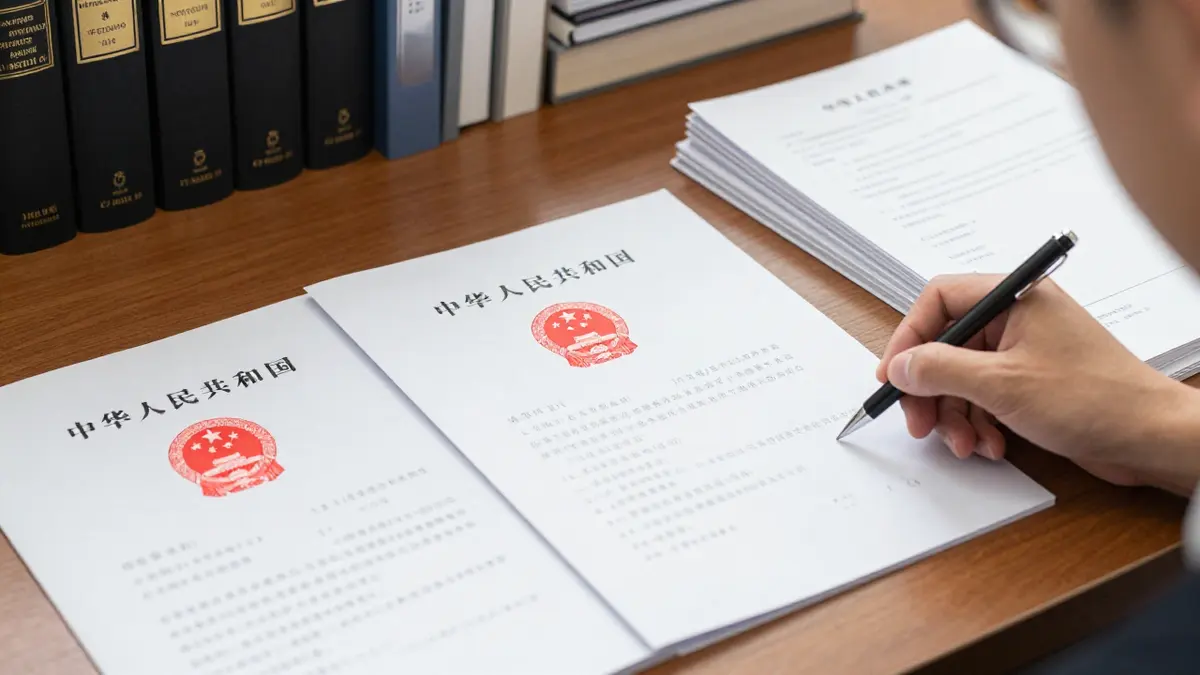

A Taiwan-based employee who moves between a regional office and a Mainland project site should not automatically be processed through the foreign-national visa and work-permit checklist. The first questions are which travel document the employee will use, what activities will take place in the Mainland, which entity directs and pays for the work, and whether the arrangement is a Mainland employment relationship or a temporary business visit.
For Taiwan residents employed in the Mainland, the former Taiwan/Hong Kong/Macau employment certificate was cancelled in 2018. That did not remove the need for valid entry and stay documents, employment records, or employer social-insurance steps. A workable transfer file therefore keeps immigration status and local employment onboarding separate, and checks each against the employee’s actual itinerary, role, and employing entity.
Classify the move before booking travel
Prepare a short assignment summary showing the employee’s home employer, Mainland host or hiring entity, reporting line, work locations, expected dates, pay arrangements, and duties. A brief meeting or supplier visit may differ from a continuing role performed under the direction of a Mainland employer. The label “business trip” does not resolve the underlying employment facts; if the relationship or activity is unclear, confirm the route with local human-resources and immigration authorities before travel.
Do not import a foreign-national checklist simply because the employee crosses a border between offices. Taiwan residents use a Taiwan Resident Travel Permit for Mainland travel, while foreign nationals follow separate visa and work-permit routes. The travel document establishes the relevant entry route; the employing and work arrangement determines the separate labor, social-insurance, and HR records to maintain.
Check the Taiwan resident’s travel document and stay
Before each trip, confirm that the employee holds a valid Taiwan Resident Travel Permit for Mainland travel and that its validity covers the planned itinerary. Keep a copy in the travel file and set a reminder for renewal well before expiry. A travel document nearing expiry can disrupt both entry plans and later identity-document updates, even where the person’s employment remains unchanged.
Confirm the planned length and locations of stay and the applicable accommodation-registration steps. Employees staying outside a hotel should ask the host or local authority how registration is completed and retain confirmation. If a permit is lost, expired, or needs replacement while the employee is in the Mainland, use the National Immigration Administration’s current instructions rather than assuming a foreign-national visa extension procedure applies.
A Mainland-issued Taiwan Resident Residence Permit may also serve as an identity document for HR services under the Ministry’s guidance. It is distinct from the travel permit, so check border-travel document validity separately. Keep records for each document used, its validity period, and the purpose for which it was presented.
Use the correct employment onboarding records
The Ministry of Human Resources and Social Security states that Taiwan, Hong Kong, and Macau residents no longer need the former special employment certificate to work in the Mainland. For HR and employment services, they may use valid identity documents such as a Taiwan Resident Travel Permit or Taiwan Resident Residence Permit. The Ministry’s guidance also identifies an employer business licence, employment contract, wage-payment records, or social-insurance contribution records as materials that may evidence employment.
This is a change to the permit route, not an exemption from ordinary employment documentation. If a Mainland entity employs or hires the person, keep a correctly signed employment or engagement contract, the employer’s registration information, role and workplace details, wage records, and updates when those details change. The Ministry says Taiwan residents working in the Mainland are entitled to labor protections and may use the applicable labor-dispute and labor-supervision procedures.
Check social insurance separately. Under the Interim Measures on Hong Kong, Macau, and Taiwan Residents’ Participation in Social Insurance, Mainland employers that lawfully hire or engage Taiwan residents must register them for the applicable employee social-insurance programs and contributions under the measures. Keep the identity document, employment contract, registration receipt, and payroll record together so HR can reconcile onboarding with payroll and the employee’s work location.
Coordinate movement across offices
For recurring rotations, name one HR owner and one travel-document owner. Maintain a calendar of entry and departure dates, planned Mainland work sites, permit validity, local contact, and any accommodation-registration confirmation. Each site should know who may authorize work, who receives the employee, and where notices about a changed itinerary or assignment are sent.
When the employee’s role moves from meetings and observation to hands-on production, customer service, supervision, or regular work for a Mainland entity, pause and reassess the employment and compliance arrangements. Similarly, review the file if the paying entity, reporting line, work location, assignment length, or contract changes. These facts can alter which records and local registrations are relevant, even though the employee’s travel document stays the same.
Regional-to-Mainland mobility checklist
- Record the employee’s actual duties, host entity, reporting line, work sites, duration, and pay arrangements.
- Confirm that the employee has a valid Taiwan Resident Travel Permit for the planned travel and set a renewal reminder.
- Determine whether the arrangement is a short business visit or Mainland employment; verify uncertain cases with the competent local authority.
- For Mainland employment, retain identity and employer records, a signed contract, wage evidence, and the applicable social-insurance registration.
- Confirm accommodation registration steps for the actual lodging arrangement and keep the confirmation with the travel record.
- Review the file after any change in employer, duties, duration, reporting line, site, or travel document.
The former Taiwan/Hong Kong/Macau employment certificate is no longer required, but good mobility planning still depends on matching the travel document to the person and matching HR records to the actual employment. Keep those files distinct, appoint owners for updates, and verify local requirements when an assignment crosses from a short visit into regular Mainland work. This overview is general information; confirm the employee’s route and records with the competent authorities for the specific facts.