
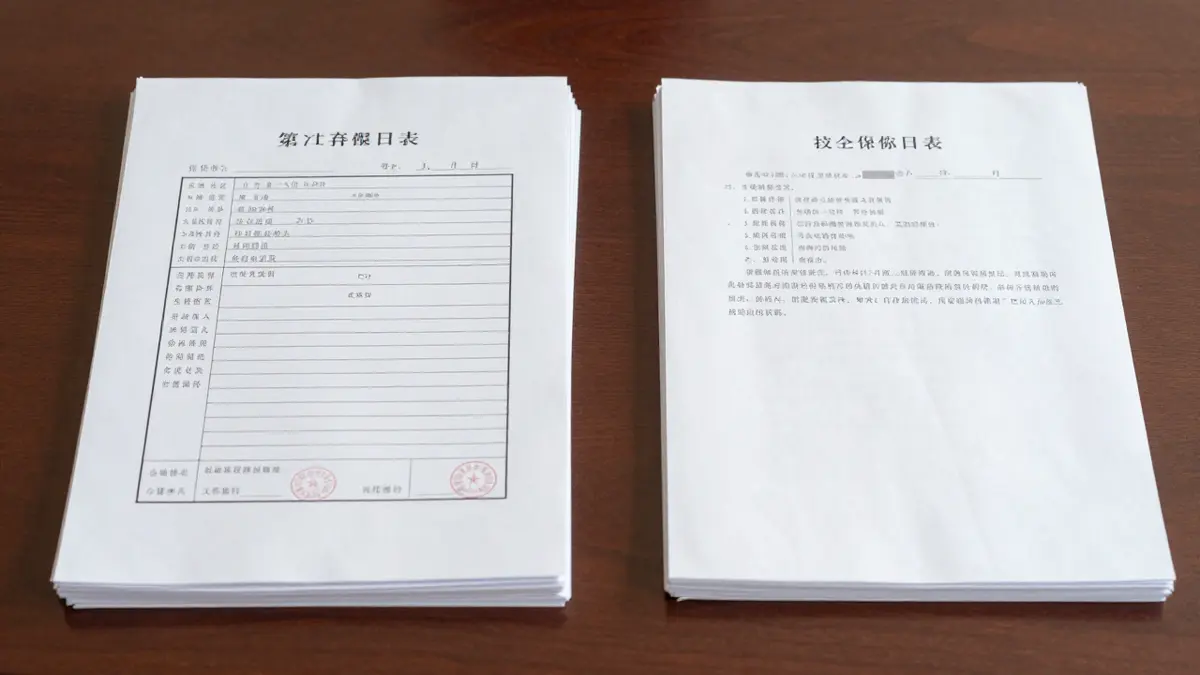
A China seller or importer may face an injured customer’s claim even when the suspected defect originated at the factory, with a component supplier, or during transport or storage. Paying or settling that claim does not by itself establish who caused the defect or what the seller can recover upstream. The seller needs a separate evidence file linking the specific product, the defect mechanism, the responsible party, and the compensation paid.
Under Civil Code Article 1203, an injured person may seek compensation from the producer or seller. After compensating the injured person, a seller may seek recovery from the producer when the producer caused the defect; Article 1204 addresses recovery by a producer or seller from a carrier, warehouse operator, or other third party whose fault caused it. This guide explains how to preserve that route while addressing safety and recall duties in parallel.
Keep the customer claim and the upstream recovery separate
The customer-facing claim and the seller’s recovery claim answer different questions. Under Article 1203 of the Civil Code, a person injured by a defective product may request compensation from either the producer or the seller. The seller’s later statutory recourse is narrower: after compensating the injured person, the seller may recover from the producer if the producer caused the defect. Article 1204 separately permits a producer or seller that has compensated the injured person to seek recovery from a carrier, warehouse operator, or other third party whose fault caused the defect.
Do not treat a consumer’s choice of defendant as a final finding about where the defect arose. Nor does an invoice naming an overseas brand alone prove that the brand, rather than a local seller, component supplier, or logistics provider, caused the defect. Build the upstream case around the product and the evidence of how it became unsafe.
Identify and preserve the exact product
Record the product name, model, serial or batch number, production date, supplier, shipment, sales channel, customer, incident date, and location. Connect the complained-of unit to the batch and to the seller’s purchase and sales records. Preserve the original unit, packaging, accessories, labels, instructions, photographs, videos, repair parts, and any removed component. If a customer or regulator holds the unit, make a written request for access and inspection and record who has custody.
Keep a dated custody log for every sample: who received it, its condition, seals, storage conditions, transfers, and any testing or repair. Do not repair, disassemble, clean, discard, or return the only sample before documenting its condition. Where safety requires immediate action, protect people first, photograph and record the condition and steps taken, and retain representative samples where lawful and safe.
Invite the upstream parties into a controlled inspection
Notify the producer, component supplier, carrier, and warehouse operator promptly in writing. Identify the claim and product, request that they preserve relevant records and samples, propose a joint inspection, and reserve the seller’s contractual and statutory rights. Send notices to the contractually required addresses and keep delivery evidence. A notice does not prove responsibility or necessarily suspend a contractual or legal deadline.
Agree a written protocol before destructive testing. It should identify the sample, test questions, method and applicable standard, laboratory, observers, photographs, sealed retained portions, raw data, and how disputed results will be handled. Give each potentially responsible party a reasonable opportunity to attend. If a party declines or does not respond, preserve the notice and document why testing could not wait. Do not rely only on a summary certificate where the underlying method, sample identity, or raw data may later be disputed.
Trace the defect through manufacture, sale, and logistics
Use a responsibility matrix rather than a general accusation. For a possible manufacturing defect, gather specifications, bills of material, production and inspection records, process deviations, nonconformity reports, corrective-action files, and changes to design, components, or suppliers. For a possible design or warning problem, preserve the approved design, risk assessments, user instructions, labels, safety warnings, and the version supplied with the specific unit. Compare the unit with the relevant contract specification and applicable mandatory safety standard; a standards comparison is evidence, not by itself a complete causation analysis.
For a possible transport or storage cause, collect handover records, seals, loading and unloading photographs, impact or temperature logs where relevant, packaging condition, warehouse access records, and route or custody data. Keep the chain from factory release through import, storage, sale, delivery, and the incident. Article 1204 matters only where the fault of a carrier, warehouse operator, or other third party caused the product defect and resulting harm; identify the conduct and preserve evidence connecting it to the specific loss.
Connect the incident, injury, and amount paid
Preserve the original complaint, purchase and delivery records, incident chronology, witness details, medical or property-damage records, and communications with the customer. Record the customer’s description without converting an allegation into an accepted technical conclusion. Ask what happened to the product before and after the incident, what repairs or modifications were made, and whether the same failure appears in other units. Consider alternative causes and whether the particular defect could have caused the reported injury or damage.
If the seller resolves the customer claim, retain the written settlement, calculation, payment records, approval, and any release. The file should explain why the payment related to the reported injury or damage and why the amount was commercially and factually supportable. Where practicable, notify the upstream party before settlement and invite it to participate in the response. Avoid settlement wording that unnecessarily admits an upstream party’s fault or releases a claim the seller intends to pursue. The customer’s release and the seller’s separate recovery rights should be reviewed as separate documents and issues.
Check the supply contract without confusing it with statutory recourse
Review the purchase and quality agreements for product specifications, warranties, indemnities, insurance, audit and record-access rights, notice deadlines, claim procedures, liability caps, governing law, and dispute resolution. A contractual indemnity may have different triggers and limits from Civil Code Articles 1203–1204. Check those terms before making admissions or allowing records and samples to disappear. For an overseas producer, confirm the correct contracting entity, service provisions, language requirements, and practical enforcement route. The existence of a China-facing consumer claim does not automatically make every upstream contract term enforceable against every affiliate.
Run safety and recall duties in parallel
Recovery against a supplier is not a reason to delay steps needed to protect other users. Civil Code Article 1206 requires producers and sellers to take timely measures such as stopping sales, warnings, or recall after a defect is found; failure or inadequate measures that allow harm to expand can create responsibility for the additional harm. Keep a separate safety decision log covering the risk assessment, affected models and batches, stop-sale or warning decisions, regulator contacts, customer notices, and action taken.
For consumer products, the SAMR Interim Provisions on the Administration of Consumer Product Recalls contain a specific rule for imports: a domestic entity appointed by an overseas producer to carry out recalls is treated as the producer for those provisions; if no entity is appointed, the importer is treated as the producer. That recall classification is not a blanket rule that makes an importer the producer for every civil product-liability claim. Food, vehicles, medical products, and other regulated sectors may have additional or different recall rules.
Build the recovery file before memories and records fade
Keep one indexed file with the claim chronology, product and batch identifiers, custody log, inspection protocol, samples and raw test data, production and quality records, distribution and logistics evidence, customer loss evidence, notices, settlement approval, and proof of payment. Maintain an issue list showing what is known, disputed, and still missing, with an owner and collection date for each item. Preserve the original electronic files and their metadata, and document translations against the source records.
Before issuing a demand or starting a dispute, map each proposed recovery amount to the applicable statutory or contractual basis and the evidence of cause. Article 1203 links seller recourse to a defect caused by the producer and compensation already paid; Article 1204 links recourse to a third party’s fault causing the defect. Neither provision makes every supplier responsible simply because it appears in the chain. Calendar limitation, contractual notice, insurance, and dispute-resolution deadlines separately, and obtain product-specific advice where serious injury, a regulator inquiry, a recall, or cross-border enforcement is involved.
Primary legal sources
- Civil Code of the People’s Republic of China, Articles 1202–1207, especially 1203, 1204, and 1206.
- Interim Provisions on the Administration of Consumer Product Recalls, especially Articles 3–4 and 29.
Law checked: 20 November 2026. The official Chinese text controls. Confirm the product category, incident facts, applicable sector rules, contract terms, and evidence before deciding responsibility or remedy.