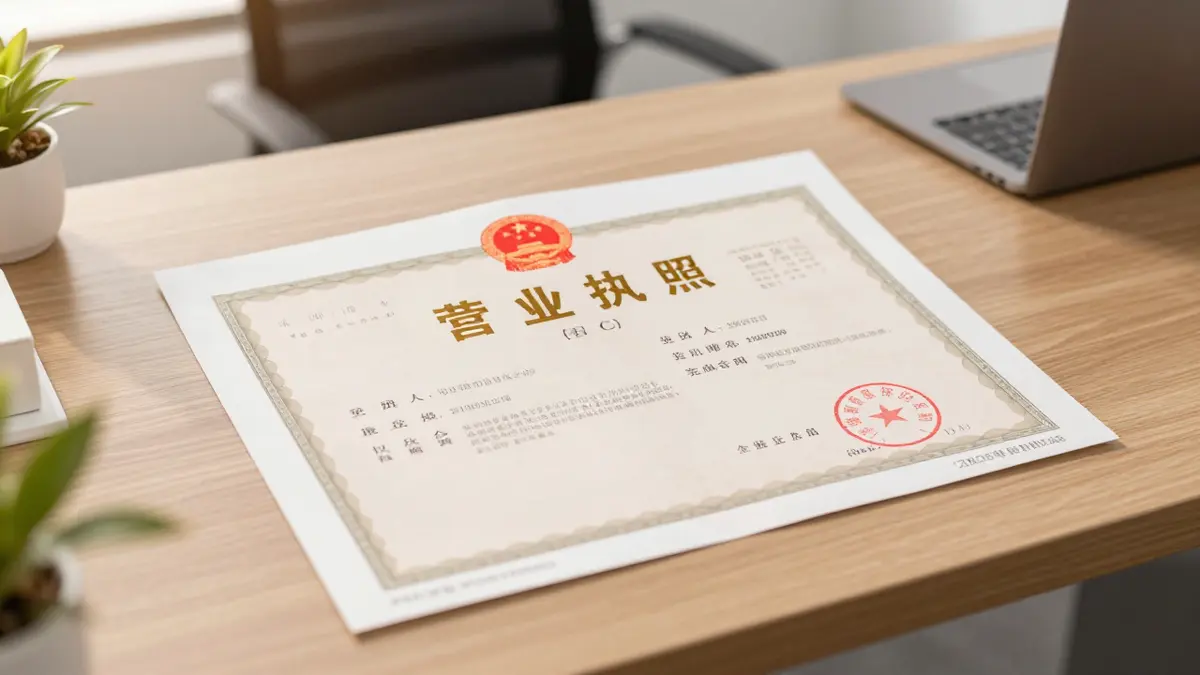
Before a China-connected founder funds an overseas holding vehicle, assemble a record of who owns it, what is being contributed and how the structure connects to the operating business. That file gives the registration bank and counsel something concrete to assess.
This checklist concerns individual founders considering a Circular 37 registration. It separates the ownership history from the proposed financing and flags completed transactions that need review rather than retrospective paperwork.
Draw the structure as it exists today
Put every relevant person and company on a dated diagram. Include incorporation jurisdictions, direct shareholdings and any agreements through which a person controls an entity without holding its shares directly. Keep a proposed post-financing chart separate from the current chart.
Circular 37 addresses overseas special-purpose vehicles used by domestic residents for investment and financing with legally held domestic or overseas assets or interests. Its definition of an individual domestic resident is not simply an income-tax day count. Ask counsel to document the basis for treating each founder as within or outside the relevant definition.
Identify the contribution
| Question | Record to locate |
|---|---|
| Who holds the asset or interest? | Ownership record and identity of the contributor |
| What enters the vehicle? | Subscription, contribution or transfer documents |
| When does it happen? | Signing, payment and completion dates |
| How is it valued? | Transaction terms and supporting valuation material |
| How does China connect? | Operating-company interests and proposed investment route |
Separate the founder's contribution from a new investor's subscription. A cap table can show both without explaining which transaction each payment belongs to. Link each wire or asset transfer to the agreement authorizing it.
Take a specific question to the bank
The circular requires registration before the relevant contribution; later reforms moved direct-investment foreign-exchange registration to banks. Confirm the current process against SAFE's capital-account guidance and the handling bank's checklist. An enterprise investment file or personal currency-purchase allowance should not be assumed to answer an individual's SPV registration question.
Ask which bank will handle the file, which entities and individuals must appear in it, and which supporting documents need translation or certification. Record the answer and its date. A generic document list from an unrelated financing may miss a nominee, an earlier share transfer or an existing overseas interest.
If transactions have already occurred
Prepare a chronology of incorporations, contributions, financings and ownership changes. Mark each completed step with the underlying document and payment evidence. Present the actual sequence for advice on supplementary registration or other corrective steps. Do not backdate a subscription or describe an already completed transfer as a future proposal.
Keep the file current
Place the registration evidence beside the chart it relates to. Before a new financing, transfer or restructuring, compare the proposed chart with that registered position and ask whether a change filing is required. Assign an owner for preserving the bank's responses and final records.
The practical output is a consistent ownership-and-funding history, with open questions identified before the next transaction. For a company-led outbound project, consult the enterprise ODI guide separately.
Primary sources
- SAFE Circular 37: scope and registration
- SAFE: bank handling of direct-investment registration
- SAFE capital-account business guidance, 2024 edition
Sources checked November 28, 2026. General preparation guidance; individual legal and tax conclusions depend on the facts and applicable rules.