
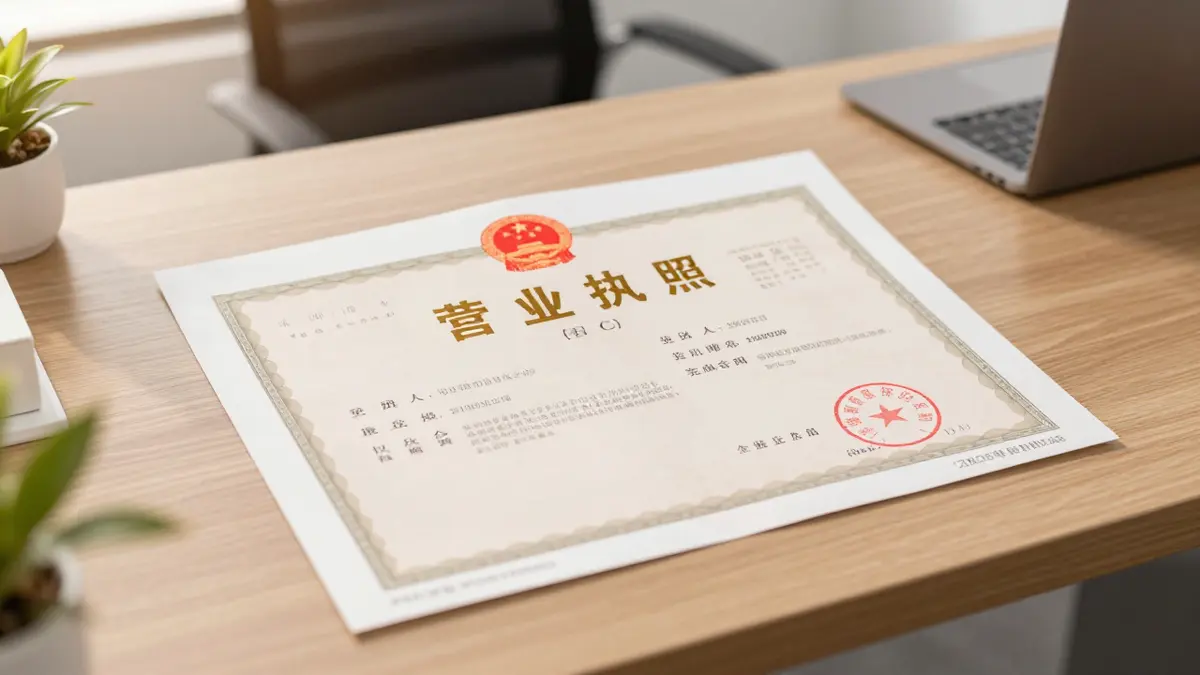
“Wholly foreign-owned enterprise” (WFOE) remains a familiar business term, but a new foreign-invested company is registered under China’s general company or partnership framework. For an investor considering Jiangxi, the practical decisions are the business activity, registered location, licensing route, legal form, governance and a capital plan the company can meet. A registration certificate alone does not clear every sector restriction or operating license.
This guide maps those decisions into a launch sequence. It focuses on the questions to resolve before filing, how the foreign-investment information report fits into company registration, and which records to organize for the first year. Jiangxi’s local registration office and any relevant industry authority should confirm current forms and evidence for the specific address and business scope.
Use “WFOE” as shorthand, not as a separate company form
For a new investment, “WFOE” is commonly used to describe a company whose foreign investor owns all of its equity. The current framework no longer treats newly established wholly foreign-owned, Sino-foreign equity joint-venture and cooperative enterprises as three separate organizational forms. Foreign-invested companies use the Company Law framework; foreign-invested partnerships use the Partnership Enterprise Law framework. An operating company is often organized as a limited liability company, but the right form depends on ownership, financing, governance and exit plans.
Set out the proposed ownership chain and decision rights before filing. If a Chinese co-investor, nominee, fund or offshore holding company is involved, confirm the actual beneficial ownership, funding path and reserved matters with counsel. Do not use template joint-venture terms that conflict with the company’s articles or the investors’ intended control.
Screen the activity and location before committing to a lease
Map each revenue-generating activity to the proposed business scope. Then review the current national foreign-investment negative list and the separate national market-access negative list (2025 edition). The 2024 foreign-investment negative list took effect on 1 November 2024 and removed the remaining foreign-investment access restrictions in manufacturing, but restrictions remain in other listed areas. A sector outside that list may still require a license, qualification, filing or approval before operations begin.
For a Jiangxi project, confirm which market-regulation authority handles registration at the intended registered address and whether the business falls within an industry authority’s jurisdiction. If a site is inside a pilot free-trade zone or another designated area, check whether a special measure or pilot policy applies to that exact location and activity. Do not assume a local incentive, simplified procedure or policy applies based only on a development-zone brochure; request the current written eligibility terms and confirm the conditions for maintaining the benefit.
Before signing a long-term lease, verify that the address can be used for company registration and that the premises can support the intended operations. Ask whether the landlord can provide the address and property documents the local registration office or licensing authority requests. The registered address, actual worksite and any site-specific permits should fit together.
Choose the entity and governance deliberately
For a limited liability company, agree on the shareholder or shareholders, subscribed capital, contribution method and dates, company name, domicile, business scope, legal representative and management structure. Prepare articles of association that explain who appoints directors, how shareholder and board decisions are made, who controls bank and company chops, and how conflicts or deadlocks are handled.
The revised Company Law has applied since 1 July 2024. For a newly formed limited liability company, shareholders generally must pay their subscribed capital contributions in full within five years from establishment, subject to laws or State Council decisions that provide otherwise. The amount and timing should reflect the business plan, hiring and operating needs, applicable licensing conditions, and realistic funding capacity. Do not choose an arbitrary large figure or assume that registered capital must all be paid before registration. Companies established before the revised law’s effective date have separate transitional rules under the State Council regulation on registered-capital registration.
Review the statutory rules for director, supervisor or audit-committee arrangements and the legal representative with the company’s specific size and governance plan. Articles should allocate authority clearly; a title on the registration form does not substitute for internal approval controls.
Prepare investor documents for the actual filing route
Expect to provide identity and authority evidence for each investor, the proposed articles, office address information, appointment and consent records for officers, and other materials required by the registration system. An overseas corporate investor may need current registration evidence and a document showing who can sign for it; an individual investor will need valid identity and travel-document information. Requirements vary by document type, place of issuance and filing route.
Do not assume that every foreign document needs the same notarization or legalization. Check whether the issuing country participates in the Apostille Convention, whether an apostille or consular authentication is required for the particular record, and whether a Chinese translation must be supplied. Confirm the exact list and acceptable formats with the Jiangxi registration office before paying for authentication or translation. Keep English names, passport spellings, ownership percentages and capital figures consistent across the documents.
Register the company and submit the investment report
Submit the establishment application to the market-regulation authority responsible for the registered domicile using the current enterprise registration service. The filing typically records the company name, address, business scope, shareholders, subscribed capital, contribution schedule, articles and officers. The competent authority may request corrections or supplemental evidence. If the business requires a sector approval before establishment or operation, confirm when that approval must be obtained and include it in the timeline.
Foreign-investment information reporting is integrated with enterprise registration. Under the Foreign Investment Information Reporting Measures, the initial report is submitted through the enterprise registration system when the investor establishes the foreign-invested enterprise. Changes and annual information are reported through the applicable system and timing. This information report is not a substitute for a restricted-sector approval, business license or other permit.
Make the first-month plan part of formation
After the business license is issued, coordinate the company chops and signing authority, tax and accounting setup, invoice access where needed, bank onboarding and any foreign-currency capital procedures with the company’s bank. Build a schedule for hiring, payroll, social insurance and housing-fund registration if the company will employ staff. Requirements depend on the actual activities and local authority handling the registration; finish the relevant setup before the company begins regulated operations or pays staff.
Keep a single corporate record set containing the license, articles, investor resolutions, officer appointments, capital schedule, ownership records, approval documents, reporting confirmations, lease and tax records. The company should be able to show who authorized each material act and whether the transaction fits its registered scope and permits.
Track ongoing reporting, capital and license duties
Maintain a calendar for annual enterprise reporting, foreign-investment information updates, tax filings, accounting records, license renewals and any capital contribution dates in the articles. Report changes to shareholders, officers, address, scope or other registered and foreign-investment information through the required channels. A company’s registration does not automatically update every industry license or contractual record.
Foreign investors should also coordinate funding and repatriation planning with a qualified bank and tax adviser. Record the source, amount, currency and purpose of each contribution or shareholder loan and check the current foreign-exchange and tax requirements before moving funds. Avoid promising a return date or treating registered capital, shareholder loans and operating receipts as interchangeable.
Pre-filing checklist for a Jiangxi project
- Confirm the complete business scope, market-access status and required industry permits.
- Verify the registered address, competent local registration office and site evidence before signing the lease.
- Choose the company form, ownership structure, governance and articles with the exit and control plan in view.
- Set a supportable subscribed-capital amount and contribution schedule under the current Company Law.
- Confirm which investor documents need apostille, authentication, translation or supplemental authority evidence.
- Plan the enterprise registration and integrated foreign-investment initial report as part of the same filing sequence.
- Assign a responsible person for tax, bank, staff, annual-reporting, license and change-notice deadlines after registration.
Company formation requirements can turn on the activity, investor structure, registered address and local review. Confirm the current filing checklist with the competent Jiangxi authorities and obtain project-specific legal and tax advice before committing funds or starting a regulated activity.