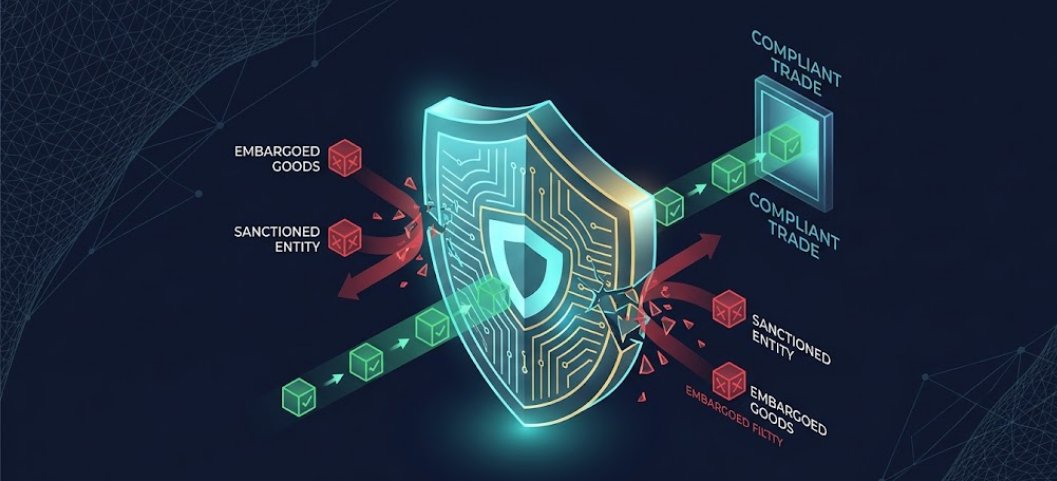

Hainan’s island-wide special customs operation began on December 18, 2025. The “first line” covers movement between Hainan and overseas customs territory; the “second line” covers movement between Hainan and mainland China. This structure changes how some goods are taxed and monitored, but it does not make every import into Hainan duty-free or remove customs formalities.
For an importer, the first questions are who will import the goods, whether that entity qualifies for the policy, how the goods are classified, and where they will go next. A qualifying Hainan entity may receive zero-tariff treatment for goods outside the taxable-goods catalogue, while other goods remain taxable or may qualify under a separate bonded or exemption regime. Mainland-bound goods can trigger a different tax calculation.
First-line imports: confirm the importer and the goods
Under the Ministry of Finance, General Administration of Customs and State Taxation Administration’s Notice on taxation for goods entering or leaving Hainan FTP (Cai Guan Shui [2025] No. 12), imports on the taxable-goods catalogue are subject to import tariff, import value-added tax (VAT) and consumption tax as applicable. A Hainan-registered enterprise with independent legal-person status, or another entity within the notice’s specified eligible classes, may import goods outside that catalogue without those import taxes if it is on Hainan’s list of qualifying beneficiaries. Other imports remain taxable unless another applicable bonded, reduced-tax or exemption policy applies.
Eligibility is not established merely by having a Hainan address, using a local logistics provider, or routing goods through the island. Confirm the legal importer, beneficiary status, product description and applicable catalogue treatment before pricing a shipment. Also check for import prohibitions, licensing requirements, tariff quotas, trade-remedy duties and other measures; zero-tariff treatment does not displace them.
Electronic ledgers and island movement
Zero-tariff goods are subject to customs electronic-ledger management and may be audited or checked. Build inventory controls that connect declarations to purchase and sales documents, warehouse receipts, production inputs, transfers and final disposition. Reconcile quantities and product identifiers regularly, and retain the records required under the rules that apply to the business and transaction.
Movement within Hainan also matters. The 2025 notice generally permits zero-tariff goods and processed products to circulate between qualifying beneficiaries without repayment of import taxes, while domestic VAT and consumption tax still apply. A transfer to a non-qualifying entity or an individual can trigger import-tax treatment calculated by reference to the imported materials. Determine the recipient’s status and the tax consequences before releasing goods from inventory.
Second-line movement to mainland China
When zero-tariff goods or products made from them enter mainland China, the general rule is to complete customs formalities and pay import taxes by reference to the imported inputs, subject to the specific rules and any taxes already paid. Domestic VAT and consumption tax treatment must be considered separately. Do not treat a Hainan warehouse, sale or processing step as automatically converting the goods into ordinary mainland inventory.
A separate route is available for goods produced in Hainan by enterprises in encouraged industries using imported materials. If the processing value-added amount in Hainan reaches at least 30 percent under the prescribed calculation, the goods may be exempt from import duty when entering the mainland. Import VAT and consumption tax remain payable. Eligibility depends on the enterprise, product, production records and customs’ prescribed value-added formula and filing requirements; a simple margin estimate is not enough.
Classification, value and origin still require evidence
For each product, document the tariff classification, description and specifications, customs value, origin, quantity and supporting commercial terms. Classification should reflect the goods’ objective characteristics and applicable tariff rules. Valuation should account for the transaction and any additions or adjustments required by customs rules, including relevant related-party and royalty issues. Keep product specifications, technical sheets, bills of materials, contracts, invoices, payment records, freight and insurance documents, and explanations for valuation or classification choices together.
Do not assume that processing in Hainan makes a product Chinese-origin or qualifies it for a free-trade-agreement preference. Origin is determined under the rule that applies to the particular trade measure or agreement. Assess export-market origin separately and preserve production and sourcing evidence that supports the conclusion.
Consider a customs pre-ruling before shipment
China’s Customs Measures for Tax Collection on Import and Export Goods provide for advance rulings on specified matters, including classification, customs value and origin. A pre-ruling can be useful where the legal treatment is material to a planned import, but it is not a substitute for complete facts or accurate declarations. Check the current application procedure, timing and scope, and make sure the product and transaction described in the request match the shipment.
Practical shipment review
- Identify the importer of record and verify whether it qualifies as a Hainan beneficiary.
- Check the current taxable-goods catalogue, restrictions, licensing and trade measures for each product.
- Map the intended movement: overseas to Hainan, transfer within Hainan, entry to mainland China, or export onward.
- Calculate taxes for each leg and test any claimed 30-percent processing route using the prescribed method.
- Align declarations, invoices, product data, inventory records and production evidence; assign staff to reconcile electronic-ledger entries.
- Escalate unresolved classification, valuation or origin questions before shipment and consider a pre-ruling where available.
Hainan’s customs framework can affect landed cost and supply-chain design, but the result depends on the importer, product, beneficiary status and movement of the goods. Recheck the operative rules and administrative procedures for the transaction date, and obtain customs or tax advice where those facts are uncertain.