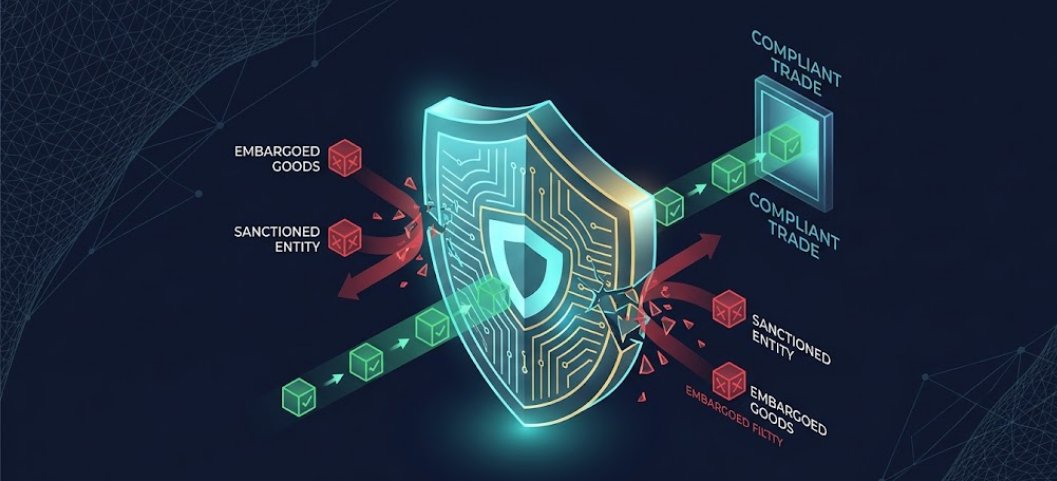

China import and export compliance is not a single customs form or tariff check. A shipment can involve customs declarations and duties, product controls, origin and licensing rules, and separate tax or foreign-trade requirements. The right review depends on the item, its use, the route, and which company acts as importer or exporter.
Start with a repeatable file for each product and trade lane. Confirm the responsible entities, classification, customs value, origin, permits, and supporting records before the goods move. This matters especially as China’s revised Foreign Trade Law took effect on March 1, 2026, while the Customs Tariff Law and updated declaration rules also shape current operations.
Map the transaction and responsible parties
For each lane, identify the seller, buyer, Chinese consignee or consignor, manufacturer, customs broker, logistics provider, and any related company that supplies technology, tooling, or services. Confirm which entity is named on the commercial documents and which entity will make the customs declaration and pay duties. Do not assume an overseas parent’s contract or a broker’s filing replaces the Chinese party’s own compliance responsibilities.
China’s Customs Law allows an importer or exporter to handle declaration and duty procedures itself or appoint a customs broker. It distinguishes a broker acting in the client’s name from one acting in its own name, and requires the client to provide truthful information while the broker performs a reasonable review. Put the authorization, data handoff, review, correction, and escalation steps in writing.
Classify the goods from their actual characteristics
Build a product file with the composition, function, technical specifications, principal use, packaging, and product literature needed to support tariff classification. A familiar commercial name or a code used in another country is not enough. China’s tariff classification rules require application of the tariff schedule’s wording and interpretation rules; classification can affect duty, import controls, statistics, and other agency requirements.
Record the reasoning and the source documents for each code, and set a trigger for review when a product changes or China updates its tariff schedule. If a classification is genuinely uncertain and the shipment is material, consider whether to seek a customs advance ruling before import. The Customs Tariff Law provides for applications on classification, origin, and specified customs valuation matters before actual import or export.
Check customs value, origin, and the duty calculation
Do not treat the invoice amount as the complete valuation analysis. The Customs Tariff Law generally bases import customs value on the transaction price, adjusted as required, together with transport and related costs and insurance to the point of unloading in China. Review the purchase agreement and payment records alongside commissions, royalties, assists, rebates, freight, insurance, and other charges that may matter under the applicable valuation rules.
A relationship between buyer and seller is a reason to document the analysis, not a reason by itself to assume that the declared value is unacceptable. Keep evidence showing how the price was negotiated and whether the relationship affected it. Align customs and tax records where the same transaction appears in both, and investigate differences before filing.
Determine origin under the rule that applies to the product and the duty treatment being claimed. Preferential rates may require origin criteria and supporting certificates beyond an ordinary country-of-origin statement. Under the Tariff Law, duties depend on classification, origin, customs value or other applicable tax base, quantity, rate, and the prescribed exchange rate. Keep the working calculation with the declaration file.
Screen permits and product controls before contracting
Before accepting an order, check whether the goods are prohibited, restricted, subject to quota or licensing, or subject to inspection, quarantine, certification, or other product rules. The revised Foreign Trade Law, effective March 1, 2026, retains a general framework under which restrictions and prohibitions are administered through relevant measures such as quotas and permits. The exact requirement is product- and transaction-specific; do not rely on an old license list or a broker’s informal assurance.
For exports, screen for export-control requirements as well as ordinary customs documentation. China’s 2024 Dual-Use Items Export Control Regulations and current control lists can apply to goods, technology, and related services, including where a product has both civilian and controlled uses. Check the item, technical parameters, end user, end use, destination, and any applicable license before shipment. A customs commodity code is a useful screening aid but does not by itself decide whether an item is controlled.
Build a written approval gate for any shipment needing a permit or technical classification. The commercial team should not promise a dispatch date until the responsible compliance owner confirms the applicable approvals and documents are in place.
Give the broker accurate, reviewable instructions
Provide the broker with a consistent data pack: product specifications, classification rationale, invoice and contract, packing list, transport document, origin support, permits, and the facts needed to declare value and quantity. Name the person who can answer customs questions. Define whether the company reviews draft entries before submission, how discrepancies are escalated, and who preserves the final declaration and release records.
Use a broker agreement that identifies the scope of authority, the name in which the broker files, document security, correction procedures, record access, and responsibility for notifying the company about holds or requests. Outsourcing filing does not make a weak product description or inaccurate value disappear. Conversely, the broker’s own statutory duties depend on how it acts and the facts of the filing.
Control declarations, payment, and amendments
Use the current Customs declaration requirements and forms for the shipment type. Reconcile the declared goods, quantities, values, tariff codes, origin, and permit details against the underlying documents before submission. Customs Law provides that declarations and supporting documents generally cannot be changed or withdrawn after acceptance unless a valid reason is accepted by Customs. A written internal review before filing is easier than reconstructing the basis later.
Track the shipment through examination, any document request, duty or tax payment or security, and release. Preserve the final accepted declaration and evidence of payment or guarantee with the commercial file. If an error is discovered after filing, document the facts promptly and use the applicable customs correction or consultation process rather than changing commercial records to match an inaccurate entry.
Use bonded and processing procedures only with controls
Bonded warehousing, processing trade, and other special customs procedures can support a supply chain, but they create additional controls over inventory, movement, processing, and final disposition. Before using one, confirm eligibility, account setup, required records, permitted operations, and the treatment of goods that are lost, damaged, sold domestically, or not re-exported as planned. Identify who monitors deadlines and reconciles inventory to customs records.
Do not describe a special zone or procedure as automatically reducing paperwork or duty. The treatment follows the specific rules and the company’s actual operations. Model the cost and compliance steps before committing to a warehouse, production plan, or customer delivery schedule.
Keep records that explain the whole decision
Preserve more than a copy of the customs entry. Retain the product data, classification and origin analysis, valuation calculation, permits, contract and payment evidence, broker instructions, transport documents, customs correspondence, and any correction or post-entry review. Apply the retention period required for each record type and procedure; there is no safe blanket assumption that every trade document follows one identical period. The Dual-Use Items Export Control Regulations, for example, specify at least five years for certain export-control records.
Assign an owner to monitor regulatory and product changes, renewals, and updates to classification or control lists. Sample transactions periodically and compare declarations with purchase orders, invoices, freight and insurance charges, royalty flows, and accounting records. The goal is to be able to explain why each field was declared as it was.
Respond carefully to a customs inquiry
If Customs asks for information or opens an audit, preserve relevant records, coordinate communications through a designated contact, and give a factual response supported by source documents. Identify whether the issue concerns classification, value, origin, licensing, quantity, or a special procedure; each may require a different analysis. Avoid sending inconsistent explanations from finance, logistics, and sales.
Consequences depend on the conduct and the applicable rule, so a missed document or classification dispute does not automatically carry the same penalty. For a material exposure, controlled item, related-party valuation issue, or proposed correction, obtain advice from counsel or a customs specialist familiar with the goods and port before taking a position.
Make compliance part of shipment planning
A practical control sequence is: identify the parties and route, classify the product, confirm value and origin, screen permits and controls, assemble the evidence, review the declaration, and close the file after release. Assign a named owner to each step and block shipment when a required approval is missing. Revisit the analysis when the product, supplier, destination, end user, or relevant rules change.
For companies with repeated shipments, a maintained product master and broker review process usually provide more value than a generic policy document. For a new product, controlled technology, or uncertain tariff or origin position, request a transaction-specific review before goods are shipped. Customs compliance is strongest when the declared facts can be traced back to the records that created them.