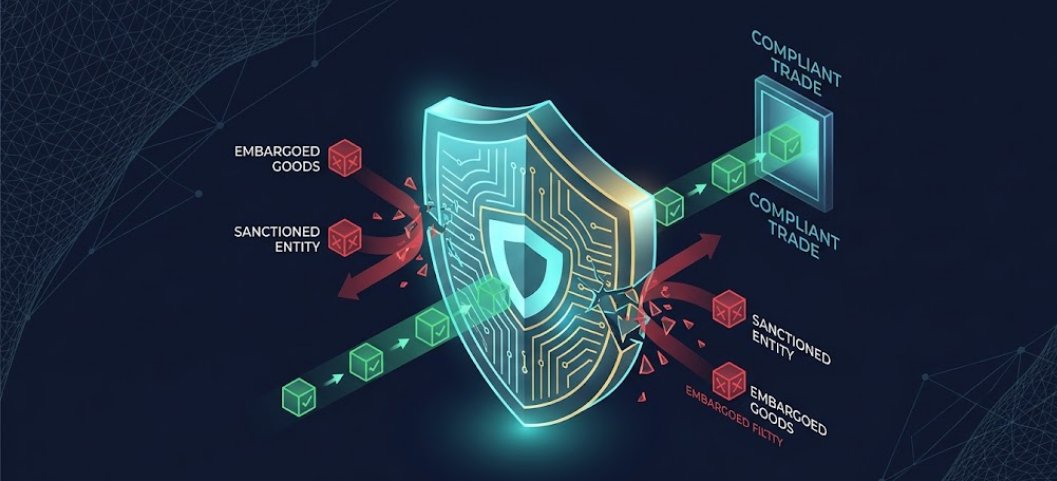

A Guizhou shipment can pass through several logistics and customs handoffs before it reaches a buyer or leaves China. The compliance file must follow the goods through those handoffs: the description and classification should match the product as shipped, while the declaration should match the contracts, invoice, packing list, transport record, origin evidence, and any required permit.
China’s declaration rules place legal responsibility on both the importer or exporter and an engaged customs broker. This guide gives Guizhou shippers a practical release sequence: build a reliable product record, choose and support the tariff classification, coordinate the inland route with filing deadlines, and respond properly if a declaration needs to be corrected or Customs raises a question.
Start With One Shipment File That Follows the Goods
For each shipment, create a single index that links the commercial transaction to the physical goods and the customs declaration. The core filing documents under China’s 2025 declaration rules include the contract, invoice, packing list, manifest, bill of lading or other transport document, broker authorization where applicable, required licences, and other documents required for that cargo. Keep a copy of the versions actually used for the declaration rather than relying on a later export from a shared system.
Assign one owner to reconcile the parties, product descriptions, quantities, units, prices, origin, transport route, and consignee across those records. The customs broker can prepare and lodge the declaration, but an authorization letter should define what the broker may do, and the shipper must provide truthful and complete source information. The broker also has a legal duty to make a reasonable review of the information and records supplied by its client.
| Shipment element | Pre-release check |
|---|---|
| Goods identity | Match SKU, commercial name, model, specifications, material, function, quantity, and unit to the actual packed goods. |
| Parties and sale | Confirm seller, buyer, consignee, declarant, payment terms, invoice currency, and any related-party or agent role. |
| Classification | Use the tariff text and relevant notes against the product’s actual characteristics; document why the selected code fits. |
| Origin and tariff treatment | Keep production facts and any preference claim evidence separate from the classification analysis. |
| Route and timing | Record the departure point, inland transfer legs, customs location, supervised area, carrier, and expected arrival and loading times. |
| Supporting documents | Check that the filed contract, invoice, packing list, transport document, authorization, and permits match the shipment version. |
Classify the Product as It Actually Moves
Classification is based on the goods’ actual state at the point required by the rules. Under the Customs classification measures, use the tariff schedule’s headings and legal notes, the general rules of interpretation, and the relevant subheading notes. Industry standards and national standards can be useful reference material, but they do not replace the tariff text and its notes.
Build a product dossier that lets a reviewer understand the item without relying on a marketing label. Include its principal function, materials and composition, construction, technical specifications, operating context, and differences between variants. Add clear photographs, manuals, diagrams, test results, and supplier specifications when they help explain the product’s physical or functional characteristics. Translate foreign technical material accurately when needed.
Do not copy a classification from a similar-looking product or from an old declaration without checking whether the model, composition, function, or tariff rules have changed. If Customs needs to inspect or sample the goods, make sure the responsible employee can identify the shipment and explain how the sample relates to the technical file. If the classification is unresolved before a repeat shipment, consider an administrative ruling or advance ruling and confirm whether the decision covers the product and facts in the planned entry.
Coordinate Guizhou Logistics With the Filing Calendar
An inland origin adds handoffs, not a separate classification system. For a Guizhou shipment moving by road or rail to another customs location, map every leg from factory release to the port or other exit point. Confirm who arranges any customs transit procedure, where the goods enter a customs-supervised area, which office receives the declaration, and who updates the buyer if a connection or loading plan changes. Use the actual route and operating documents; do not assume that a forwarder’s booking note completes a customs step.
The 2025 declaration regulation generally requires an import declaration within 14 days from the date the arriving means of transport declares entry. For import transit, the rules include separate steps at the entry and destination locations. An export declaration is filed after the goods reach the customs-supervised area and no later than 24 hours before loading. Late import declarations can trigger a late declaration charge. The exact trigger and procedure depend on the transport and customs arrangement, so place the responsible party and key dates in the shipping instruction.
Before dispatch, confirm that the estimated arrival, transit booking, warehouse receiving window, broker availability, and document cut-off are consistent. For an export shipment, build time to resolve a product description, licence, inspection, or packing-list issue before the goods reach the loading cut-off. For an import, monitor system acceptance rather than treating a draft or rejected electronic submission as a completed declaration.
Separate Classification, Origin, and Valuation Questions
These inputs affect related parts of tariff compliance, but one does not prove the others. Classification identifies the tariff heading and code. Origin depends on the production facts and the applicable origin rules. Valuation depends on the transaction and required adjustments. A certificate of origin does not establish the correct HS code, and a broker’s classification entry does not prove eligibility for a preferential rate.
Keep each analysis in the same shipment file but assign a separate owner and source record. When claiming a preferential rate, connect the origin statement to production and supplier evidence and check the relevant agreement’s product-specific rule. When the commercial price, royalty, assist, freight arrangement, or later credit changes, route it to the valuation reviewer before filing. A discrepancy in any one input can lead to customs reassessment, tax collection, document correction, or a separate compliance investigation.
Respond to a Query or Correct a Filed Declaration Carefully
If Customs asks for an explanation, respond to the exact field or document in question. Provide a short factual bridge from the declaration to the source records, identify the person who prepared the figures, and preserve the submitted version and correspondence. The classification rules allow Customs to request documents, product information, samples, tests, or supplementary declarations; withholding relevant materials because they are commercially sensitive is not a substitute for requesting confidentiality treatment where available.
Once a declaration has been accepted, it generally cannot be changed unless the facts fall within the permitted modification or cancellation procedures. The current declaration regulation covers specified situations such as transport or loading changes, quantity differences during handling, certain later price settlements, direct return, technical system errors, and cases where Customs confirms a correction is needed. A broker’s data-entry error has its own supporting-document and explanation process. Preserve the original record and submit the correction request with evidence; do not quietly replace a declaration or alter its source documents.
Where an internal review identifies a possible violation, stop any repeated filing on the same unsupported basis, preserve the underlying records, and map affected entries by product, period, and customs location. As of this article’s review date, Customs Announcement 2025 No. 194 provides no administrative penalty for certain enumerated voluntary disclosures that meet its conditions, with limits based on violation type, timing, tax amount or percentage, and repeat conduct. It is not blanket immunity and does not automatically cancel tax. The announcement is stated to remain effective through June 30, 2027; check its conditions and current rules before relying on it.
A Practical Guizhou Shipper Release Gate
- Lock the product version and supporting technical description before the broker drafts the entry.
- Reconcile the invoice, packing list, units, prices, origin documents, transport records, and actual packed goods.
- Save the classification rationale and any applicable ruling with the SKU record.
- Confirm the inland route, customs location, declaration owner, and filing or loading cut-off in writing.
- Review the declaration draft against source records and approve changes through a named contact.
- Archive the accepted declaration, source documents, broker authorization, customs notices, and any correction request together.
Primary references include the Customs Administration of Import and Export Goods Declarations (GACC Order 277), the 2024 revised Customs Classification Measures, the PRC Tariff Law, and GACC Announcement 2025 No. 194 on voluntary disclosure. For the penalty framework, see the current Customs Administrative Penalties Implementation Regulations. Check the actual product, route, and declaration facts with the responsible customs authority and qualified advisers.