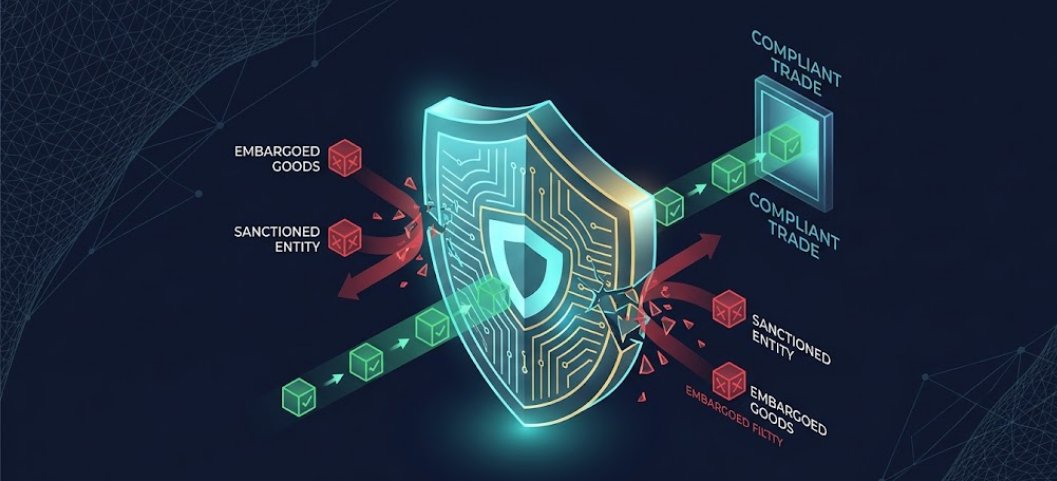

A bonded-zone plan can reduce border friction only when the company can explain where each shipment is, who controls it, and what customs treatment applies at each movement. For Henan importers, that means reconciling the purchase, bonded entry, storage or processing, transfers, and any later movement into the domestic market.
A comprehensive bonded zone is a special customs-supervision area with its own entry, exit, and account rules. It is not interchangeable with a free-trade-zone district, ordinary warehouse, or every bonded logistics facility. Before shipping, identify the exact site and procedure, then assign one team to reconcile customs records with warehouse inventory, production usage, and sales documents.
Identify the exact zone and customs procedure
Confirm that the facility is an approved comprehensive bonded zone and identify the competent customs office, the zone enterprise, and the business procedure to be used. A Henan company should not infer a customs benefit from an address in a free-trade-zone area, airport logistics park, or bonded warehouse. Different customs-supervision locations can have different rules and permitted activities.
The 2024 revised Customs Measures for Comprehensive Bonded Zones allow qualifying in-zone companies to conduct activities such as research and development, processing, manufacturing, repair, storage, logistics distribution, cross-border e-commerce, and international transshipment. That list does not itself approve a specific company, product, or regulated activity. Check the zone’s operating arrangements and the company’s customs and sector approvals before moving goods.
Map the transaction before the first shipment: seller, buyer, importer or exporter of record, in-zone enterprise, warehouse operator, customs broker, goods owner, and expected destination. Mark whether the goods will be re-exported, processed, transferred to another bonded site, or sold into the domestic market. Each path can lead to a different declaration, tax, and inventory record.
Track each entry and exit by customs status
Goods entering a comprehensive bonded zone from abroad are generally bonded unless a rule provides for a different treatment. The zone measures identify specified goods that may be exempt from import duty and import-stage taxes, including certain production equipment, machinery, moulds, and office supplies within the stated conditions. Other goods supplied for in-zone use can have a different treatment. Do not code every item as “duty free” simply because it is shipped to a bonded zone.
Movement between a comprehensive bonded zone and the mainland outside it requires the parties to complete the prescribed customs procedures. The zone measures state that duty and import-stage taxes for goods entering the domestic market are generally determined by the goods’ actual condition when they leave the zone. For products processed in the zone, the in-zone company may be able to choose a duty basis linked to the corresponding imported materials and pay the related deferred-tax interest; import-stage VAT or consumption tax is handled under the applicable rules for the goods at exit. Confirm eligibility and calculations for the actual product before quoting a domestic-sale price.
Movement between a comprehensive bonded zone and another special customs-supervision area or bonded-supervision site can remain bonded under the prescribed procedures. Keep the transfer declaration or record, transport manifest, receiving confirmation, and both sites’ account references together. A warehouse-to-warehouse movement should not be treated as a domestic sale or as a completed import without checking the exact procedure.
Build a document chain from purchase to final release
For each lot, retain the contract, purchase order, invoice, packing list, transport documents, insurance, payment record, customs declaration or bonded-zone filing, and warehouse receipt. Record the product identifier, tariff classification, origin, quantity, unit of measure, value, owner, and bonded account in one shipment-level register. Make sure the commercial description and SKU match the warehouse and customs records.
If goods are processed, add the bill of materials, production order, material issue and return records, finished-goods output, yield calculation, scrap and waste records, and the resulting inventory balance. Tie each production batch to the bonded inputs it consumed. If part of a lot is exported, transferred to another zone, or sold domestically, keep the disposition documents and customs records for each portion rather than using one blanket status for the original shipment.
Reconcile the customs account to the physical stock on a regular schedule. Investigate unexplained shortages, substitutions, duplicate receipts, unit-conversion errors, and goods recorded in the wrong status before the next account closure or declaration. Customs rules permit supervision of in-zone businesses and goods; internal ledgers should be detailed enough to reproduce the path from entry record to final exit.
Control domestic inputs, by-products, and destruction
Domestic goods entering a zone and goods arriving from abroad are not necessarily handled the same way. The 2024 zone measures say goods entered with an export declaration are bonded, while export tax refund treatment follows the applicable national rules. Retain the domestic purchase contract, invoice, customs declaration, and any refund records that apply; entry into a zone alone does not establish that a supplier or buyer qualifies for a tax refund.
Scrap, defective products, by-products, packaging, and waste also need a recorded disposition. Where bonded materials produce scrap or by-products that are sold outside the zone, the rules apply tax based on the goods’ actual condition at exit and may require permits or quotas. Solid waste that has not been re-exported is managed under domestic solid-waste rules, with customs exit procedures required when it leaves the zone for storage, utilization, or disposal. If goods are destroyed inside the zone, arrange the required procedure and document the destruction and resulting waste.
Do not write off a missing or damaged item solely through an internal inventory adjustment. Preserve incident reports, photos, carrier or warehouse findings, insurance correspondence, and the customs report or approval required for the specific status. Ask the competent customs office how to amend the bonded account before a discrepancy becomes an unexplained shortage.
Check permits, valuation, and domestic-sale tax before pricing
A bonded location does not erase import restrictions or licensing controls. The zone rules preserve prohibitions and restrictions under applicable law, and goods moving from the zone to the mainland may still require a quota, licence, inspection, or sector approval. Review controls at the product and transaction level before booking freight or promising a delivery date.
When goods are sold into China, the company should reconcile customs value with the transaction and the applicable entry procedure. The Customs Tariff Law states that bonded goods re-exported are exempt from duty, while bonded goods not re-exported and converted to domestic sales are taxed under the applicable rules. Processing-trade bonded inputs or their products sold domestically can also trigger deferred-tax interest. The tariff rate and customs value can depend on the procedure and the date the tax is handled; use current customs valuation rules rather than carrying forward a prior shipment’s rate or value.
For imported inputs supplied by a related company, retain the price terms and any valuation adjustments, including assists, royalties, commissions, and freight allocations where relevant. If the products or inputs qualify for a preferential trade-agreement rate, maintain the origin records and supporting documents. A bonded-zone route does not by itself change country of origin.
Put accountability into the service contracts
Contracts with the zone operator, warehouse, broker, processor, and buyer should identify who controls each filing and record. Specify who provides product data, who submits movement instructions, how inventory differences are escalated, who approves domestic sale or destruction, and how long records are retained. Make sure the company can obtain copies of declarations, account reports, and delivery records from third-party service providers.
Appoint one internal owner for customs-status reconciliation and a backup for leave or staff turnover. Give finance, logistics, procurement, and sales the same status definitions for foreign goods, bonded goods, domestic goods, and released imports. Require written approval before a shipment changes destination or customs treatment.
Henan importer’s pre-shipment checklist
- Location: Verify the site is an approved comprehensive bonded zone and confirm the responsible customs office and procedure.
- Parties: Identify the importer/exporter, in-zone company, goods owner, broker, warehouse, and domestic customer.
- Product: Confirm description, classification, origin, permits, quantity, units, and any inspection requirement.
- Route: Mark each movement: foreign entry, storage, processing, transfer to another bonded site, re-export, or domestic release.
- Records: Match declarations and bonded filings to receipts, inventory, production consumption, finished goods, and exit records.
- Tax: Before domestic sale, check applicable duty basis, valuation, rate, import-stage taxes, and any deferred-tax interest.
- Exceptions: Establish procedures for scrap, shortages, damage, returns, destruction, and permit changes.
The correct treatment depends on the zone, goods, customs procedure, and disposition. The governing rules provide a framework, but the company must verify the actual filing path with its zone operator and competent customs office for each activity.
Official sources
- Customs Measures for Comprehensive Bonded Zones (2024 revision), issued by the General Administration of Customs and effective December 1, 2024.
- PRC Customs Tariff Law, including Article 36 on bonded goods re-exported or converted to domestic sales.
- Henan investment guide, which describes comprehensive bonded zones separately from other open-platform types.
Legal information checked against the cited official sources on November 21, 2026. Confirm the current zone-specific procedure, product controls, and tax treatment before each bonded movement or domestic release.