“Cross-border e-commerce” covers several customs and tax models, not one general permission to import or export online. A China-facing consumer order shipped from overseas, stock released from a bonded warehouse, a business-to-business export order, and inventory sent to an overseas warehouse each raise different questions about who sells the goods, who declares them, what data reaches Customs, and how a return or tax adjustment is documented.
Before launch, map the seller, buyer, inventory location, order flow, payment flow, and physical shipment for each product channel. Then select the customs route that fits those facts, confirm product eligibility and the responsible declarant, and test that platform, payment, logistics, warehouse, customs, and tax records can be reconciled at order and shipment level.
Start with the transaction, not the platform label
A website may describe itself as an e-commerce business, but that label does not determine customs treatment. Draw the transaction from seller to buyer and the goods from origin to destination. Record whether the buyer is a Chinese consumer or an overseas business, whether goods ship individually or in bulk, where inventory sits before the order, and which entity owns the goods at each point.
Keep consumer retail import separate from general import for resale. China’s retail-import framework covers qualifying purchases by domestic consumers from overseas sellers through the 9610 direct-purchase or 1210 bonded-import route. It is limited to goods on the applicable retail-import list, personal use, and the governing tax conditions. A shipment for a Chinese distributor’s inventory, a domestic platform sale by a domestic seller, or a wholesale supply should not be placed into this channel merely because an order began online. Confirm the actual commercial structure and current product-specific requirements before launch.
For consumer imports, choose between direct purchase and bonded stock
In a 9610 direct-purchase design, the consumer order is linked to goods dispatched from outside China. In a 1210 bonded design, inventory is brought into an eligible bonded area or location under customs supervision and released against consumer orders. The operating sequence, inventory controls, and delivery timing differ, but both models depend on an eligible product and a traceable order.
The retail-import notice expects electronic transaction, payment, and logistics information to be transmitted for comparison, subject to its stated arrangements for cases handled through express or postal operators. Treat these as reconciled records, not separate vendor files. The order number, buyer and consignee data, SKU, quantity, declared value, payment reference, tracking number, and warehouse movement should agree or have a documented reason for a difference. Define who corrects a manifest or declaration, who preserves the audit trail, and how cancellations, partial shipments, refunds, and returned parcels are handled.
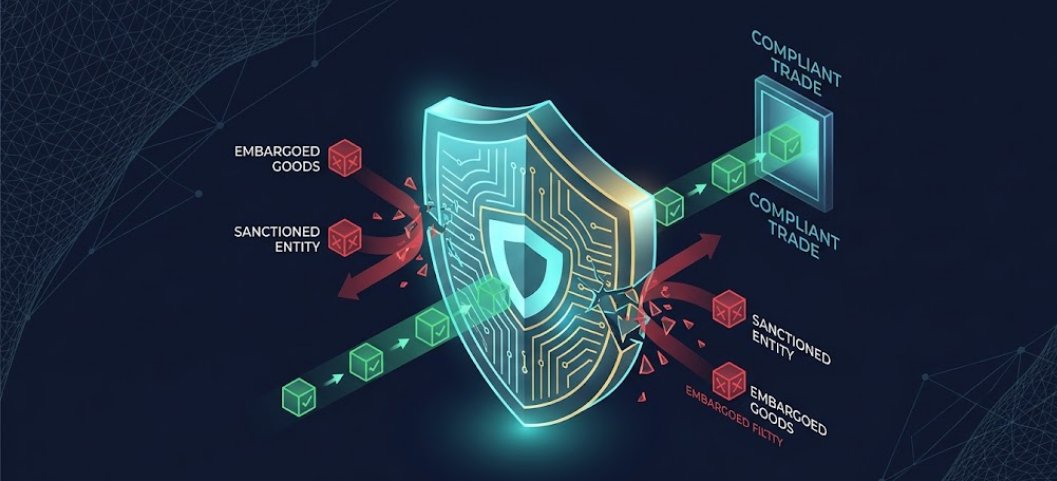
Retail-import goods are for the individual consumer’s use and cannot be resold under the notice. Do not use the retail channel to replenish a trader’s domestic inventory or disguise a wholesale transaction. Product exclusions, risk measures, tax treatment, and operating details can change; check the current list and applicable notices for the product and date of entry. A product-specific licence, safety measure, or other restriction may still matter even where a general retail-import exemption applies.
For exports, distinguish direct B2B delivery from an overseas warehouse
Customs Notice 2020 No. 75 identifies 9710 for cross-border e-commerce B2B direct export and 9810 for cross-border e-commerce exports through an overseas warehouse. Under 9710, the commercial model is an online-platform transaction with an overseas business buyer and direct cross-border delivery. Under 9810, goods are sent to an overseas warehouse and later sold and delivered to buyers. Check the shipment’s actual route and the applicable declaration procedure with the customs broker before selecting a code.
The overseas-warehouse filing rule changed on 15 December 2024. Customs Notice 2024 No. 167 removed the separate customs filing for the 9810 business model, but still requires the relevant warehouse-booking data at declaration and truthful electronic information. The update also simplified list-declaration information for covered retail and B2B exports: transaction and logistics data remain, while a payment collection record is no longer required for that filing step. Do not read this as removing other customs, tax, foreign-exchange, destination-country, or product obligations.
Build a 9810 reconciliation that follows the goods from export declaration to warehouse receipt, sale, inventory balance, and any return or disposal. For tax, the 2025 tax notice allows eligible 9810 exports to apply for export tax refund or exemption after the goods leave China, with a pre-refund and later reconciliation process when goods have not yet sold. Keep the declaration and warehouse evidence, identify unsold stock, track each sale, retain supporting sales records, and calendar the applicable reconciliation period. Confirm eligibility and filing treatment with the company’s tax adviser; the rule is not an automatic refund for every shipment.
Assign each record to a responsible party
Map the operating parties before signing platform, logistics, warehouse, or customs-broker agreements. For retail imports, the overseas seller, China-registered platform operator, domestic service providers, consumer, and any declarant have distinct roles. For B2B export, identify the Chinese exporter, platform, broker, carrier, and foreign buyer. For a warehouse model, add the warehouse operator and the entity responsible for local inventory and sales information.
- Seller and platform: confirm who owns the goods, displays required product and seller information, receives orders, handles customer complaints, and can provide transaction data.
- Declarant and broker: state who selects the customs procedure and commodity description, supplies classification and value data, submits records, and responds to queries. Delegating a filing does not make inaccurate source data safe.
- Carrier and warehouse: define scan events, package identifiers, inventory receipts, dispatch evidence, loss reporting, and return routing. For bonded stock, preserve the controlled inventory trail; for overseas stock, match exported quantities to warehouse balances and sales.
- Finance and tax: reconcile customer receipts, refunds, export proceeds, tax invoices or records, and the declarations relevant to the chosen model. Flag differences for review before filing or closing a period.
Contracts should require timely access to underlying records, correction procedures, retention, cooperation with inspections, and a named contact for regulatory requests. Include service levels for reporting lost parcels, product incidents, data errors, refunds, and inventory discrepancies. The commercial allocation of work should match who controls the data and can actually correct it.
Run a launch test and a periodic exception review
Before opening a sales channel, test sample transactions from checkout through final delivery. Compare the order, payment, logistics, customs, warehouse, and accounting records. Verify that the declared SKU and value can be traced to the listing and commercial documents; that a 1210 release updates bonded stock; that a 9810 export later reconciles to warehouse stock and sales; and that cancellations, partial refunds, and returns have an owner and documented path.
Use an exception queue for duplicate orders, mismatched identities, incomplete tracking, value changes, substitutions, short shipments, unsold warehouse stock, and returns. A written explanation should link each correction to the original record and preserve the source data. Review recurring exceptions with the platform and service providers rather than allowing manual workarounds to become the normal process.
Finally, confirm the rules that depend on the product and destination: restricted or controlled goods, inspection and quarantine measures, standards and labelling, consumer disclosures, destination-market import conditions, and tax treatment. E-commerce procedures facilitate specified transactions; they do not by themselves grant a general right to trade every product or replace ordinary import and export compliance.
Sources and scope
- Six-department Notice on Improving Cross-Border E-Commerce Retail Import Supervision (Shang Cai Fa [2018] No. 486).
- General Administration of Customs Notice 2020 No. 75 on B2B Cross-Border E-Commerce Export Supervision.
- General Administration of Customs Notice 2024 No. 167 on Optimizing Cross-Border E-Commerce Export Supervision.
- State Taxation Administration Notice 2025 No. 3 on Export Tax Treatment for Cross-Border E-Commerce Overseas Warehouses.
This overview is for general information. The correct route and supporting documents depend on the goods, transaction parties, shipment structure, current customs instructions, and tax facts. Obtain product- and transaction-specific advice before filing.