
 Free Consultation
 Contact Us
Patent Protection and Intellectual Property Rights in China
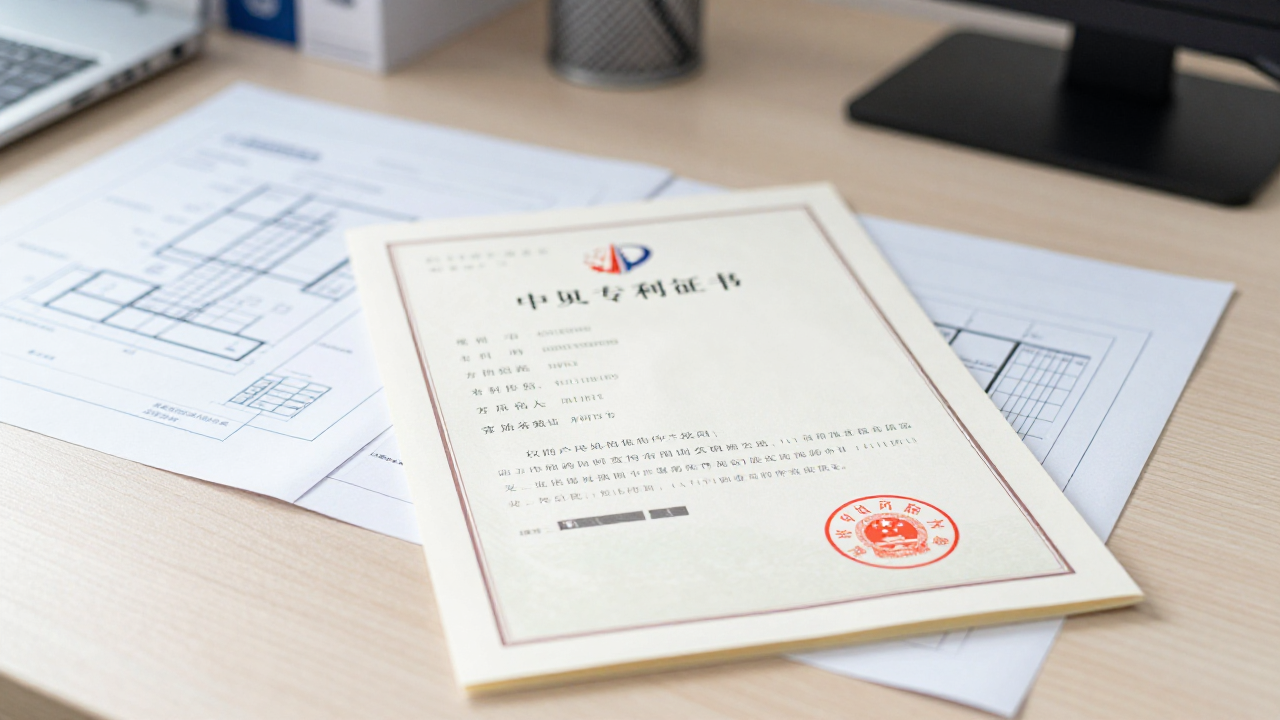
China's patent system offers protection for inventions, utility models, and designs through a legal framework that has undergone significant development in recent years. Understanding how to secure, maintain, and enforce patent rights in China is essential for innovators and businesses operating in one of the world's largest markets.
Types of Patent Protection
The Chinese Patent Law provides three categories of patent protection. Invention patents protect new technical solutions relating to products, processes, or improvements with a 20-year protection term from the filing date. Utility model patents protect technical solutions relating to the shape, structure, or combination of features of a product with a 10-year term. Design patents protect new designs of a product's shape, pattern, color, or combination thereof with a 15-year term under the amended Patent Law effective June 1, 2021. Invention patents undergo substantive examination by the China National Intellectual Property Administration, typically taking two to four years to grant.
Utility model and design patents undergo only preliminary examination, with registration completed within six to twelve months. The shorter examination period for utility models makes them practical for protecting incremental innovations with shorter commercial lifecycles. However, utility model patents require patent evaluation reports before enforcement actions can be taken, adding time and cost to the enforcement process. The choice between filing an invention patent or a utility model patent depends on the nature of the innovation, the speed with which protection is needed, and the expected commercial lifecycle of the product. In some cases, filing both types simultaneously can provide faster preliminary protection while the invention patent undergoes substantive examination.
The Patent Application Process
Patent applications can be filed directly with CNIPA or through the Patent Cooperation Treaty system for international applicants. Foreign applicants without a Chinese business address must file through a Chinese patent agency registered with CNIPA. The application must include a request, description, claims, abstract, and drawings where necessary. The description must disclose the invention clearly enough to enable a person skilled in the field to carry it out. For invention patents, CNIPA publishes the application 18 months after filing and conducts substantive examination upon request, which must be filed within three years of the application date. Applications may be amended during examination but cannot add new subject matter beyond the original disclosure.
After grant, third parties may file invalidation proceedings throughout the patent term. The Patent Reexamination Board handles invalidation requests, and its decisions are subject to judicial review by the courts. Patent owners should be prepared to defend their patents against invalidation challenges, which are commonly used as a defense strategy in infringement litigation. The cost of defending a patent against invalidation can be substantial, but a well-drafted patent with a thorough prosecution history is more likely to survive such challenges. Engaging a qualified Chinese patent attorney with experience in both prosecution and litigation is essential for developing robust patent applications that can withstand scrutiny.
Patent Enforcement and Litigation
Patent enforcement in China has strengthened considerably in recent years. Patent holders may enforce rights through administrative complaints to local intellectual property offices, which can order the infringer to stop infringing and impose fines, or through civil litigation in specialized intellectual property courts. China has established IP courts in Beijing, Shanghai, Guangzhou, and several other cities, with the Supreme People's Court's IP Division serving as the final appellate court for patent cases nationwide. In infringement litigation, the court examines whether the accused product falls within the scope of the patent claims, and the patent holder may seek injunctive relief, damages, and destruction of infringing products.
Damages are calculated based on actual losses, infringer's profits, or a reasonable royalty, with statutory damages capped at 5 million yuan for invention patents. The amended law introduced punitive damages of up to five times the calculated damages for willful infringement, creating a powerful deterrent against intentional patent violations. Preliminary injunctions are available in urgent cases where delay would cause irreparable harm, but the applicant must post security and may be liable for damages if the injunction is later found to have been improperly granted. Chinese courts have become increasingly willing to grant preliminary injunctions in patent cases, particularly where the patent is clearly valid and the infringement is readily apparent.
Strategic Considerations for Foreign Patent Holders
Foreign companies should file applications as early as possible, as China follows a first-to-file system. Priority can be claimed under the Paris Convention within 12 months of a foreign filing for invention and utility model patents, and within six months for design patents. The PCT route allows up to 30 months from the priority date to enter the Chinese national phase. Companies should consider filing utility model applications alongside invention applications as a defensive strategy. Patent holders should monitor the Chinese market for infringements and be prepared to enforce rights promptly. Licensing agreements involving Chinese patents must be registered with CNIPA to be effective against third parties.
China has become a significant venue for patent litigation, including disputes between foreign parties who choose Chinese courts for their speed and specialized IP expertise. Engaging a qualified Chinese patent attorney is essential for navigating the application process and developing an effective enforcement strategy. Foreign companies should also consider the strategic value of building a Chinese patent portfolio as a defensive measure against infringement claims by Chinese competitors. A strong patent portfolio can serve as both a sword for enforcing rights against infringers and a shield for defending against allegations of infringement by others. Regular patent landscape analysis can help identify potential infringement risks and opportunities for strategic patent filings.
Key Words: Company Formation, Intellectual Property, Patents

Feel free to send us an email or drop a call for free consultation.
Related Legal Topics





Other lawyers have the same expertise

Qinglei Wang is a Chinese lawyer based in Shandong with extensive experience. Call or message the attorney through...

Wenqiao Chen is a Chinese lawyer based in Shandong with extensive experience. Call or message the attorney through...

Jingfang Guo is a Chinese lawyer based in Shandong with extensive experience. Call or message the attorney through...

Yan Lu is a Chinese lawyer based in Shandong with extensive experience. Call or message the attorney through the c...

Feng Gao is a Chinese lawyer based in Shandong with extensive experience. Call or message the attorney through the...

Hanlu Yang is a Chinese lawyer based in Shandong with extensive experience. Call or message the attorney through t...
Comments