
 Free Consultation
 Contact Us
Cross-border Dispute Resolution in China: A Guide for Foreign Companies
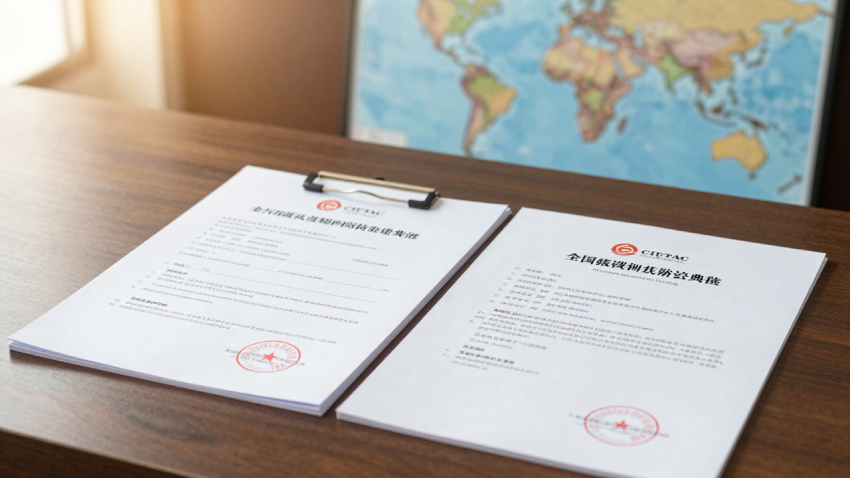
Cross-border disputes involving Chinese parties present unique challenges for foreign companies and individuals. The intersection of different legal systems, language barriers, and cultural differences in business practices can make dispute resolution in China complex and unpredictable. Li Zeng, a lawyer in the Yuzhong District of Chongqing specializing in cross-border dispute resolution, provides this guide to the key mechanisms and strategies for resolving commercial disputes involving foreign entities in China.
International Arbitration in China
International arbitration is the preferred method for resolving cross-border commercial disputes in China. The China International Economic and Trade Arbitration Commission is the primary arbitral institution for foreign-related disputes, handling hundreds of cases annually with parties from over 100 countries. CIETAC arbitration offers several advantages for foreign parties: procedural flexibility, the ability to select arbitrators with expertise in the relevant industry, confidentiality, and finality of awards with limited grounds for appeal. CIETAC maintains panel rules and procedures that align with international standards, and its arbitral awards are enforceable in over 170 countries under the New York Convention. Foreign parties may also choose arbitration in Hong Kong, Singapore, or London, with institutions such as the HKIAC, SIAC, or ICC providing familiar procedural frameworks for international disputes.
Litigation in Chinese Courts
Despite the popularity of arbitration, litigation in Chinese courts remains an important avenue for cross-border dispute resolution, particularly where arbitration has not been contractually agreed or where interim measures are needed urgently. The Fourth Plenary Session of the Chinese Communist Party in 2014 initiated major reforms of the Chinese judicial system, including the establishment of specialized international commercial courts. The China International Commercial Court, established under the Supreme Peoples Court, handles first-instance international commercial cases with significant value, providing foreign litigants with access to a specialized bench with international experience. Chinese courts can grant preliminary injunctions, asset preservation orders, and evidence preservation orders, which can be critical in preventing asset dissipation or evidence destruction before a final judgment. However, foreign parties should be aware that the Chinese court system operates under civil law principles, with limited discovery and no jury trials.
Enforcement of Foreign Judgments and Awards
The enforcement of foreign judgments and arbitral awards in China has improved significantly in recent years. China is a signatory to the New York Convention on the Recognition and Enforcement of Foreign Arbitral Awards, and Chinese courts have generally demonstrated a pro-enforcement attitude toward foreign arbitral awards. The limited grounds for refusing enforcement under the convention, such as procedural irregularities or public policy violations, are interpreted narrowly by Chinese courts. For foreign court judgments, enforcement is more challenging, as China has limited bilateral treaties for mutual recognition and enforcement of judgments. However, the Hague Convention on Choice of Court Agreements, to which China is a signatory, provides a framework for the enforcement of judgments in commercial cases where the parties have agreed on exclusive jurisdiction. Attorney Zeng advises foreign parties to include arbitration clauses in their contracts with Chinese counterparties to ensure enforceable dispute resolution outcomes.
Cross-border Mediation and Negotiation
Mediation and negotiated settlement remain the most cost-effective methods of resolving cross-border disputes in China. Chinese business culture places a premium on preserving relationships and avoiding adversarial confrontation, making mediation a culturally appropriate first step in many disputes. The China Council for the Promotion of International Trade operates a mediation center that handles commercial disputes between Chinese and foreign parties, offering mediation services in multiple languages. The Supreme Peoples Court has also promoted the use of mediation through its mediation-litigation interface, which allows mediated settlement agreements to be judicially confirmed and rendered enforceable. Foreign parties should approach cross-border mediation with an understanding of Chinese cultural norms, including the importance of face, or mianzi, and the preference for indirect communication in conflict situations.
Li Zeng practices law in the Yuzhong District of Chongqing, advising international clients on cross-border dispute resolution, international arbitration, and enforcement of foreign judgments in China. He emphasizes that proactive dispute resolution planning at the contract stage is the most effective strategy for protecting cross-border commercial interests.
This article is for informational purposes only. Parties should consult qualified legal professionals for advice tailored to their specific circumstances.

Feel free to send us an email or drop a call for free consultation.


