 Free Consultation
 Contact Us
How Are Engineering Payment Disputes Resolved Under Chinese Law?
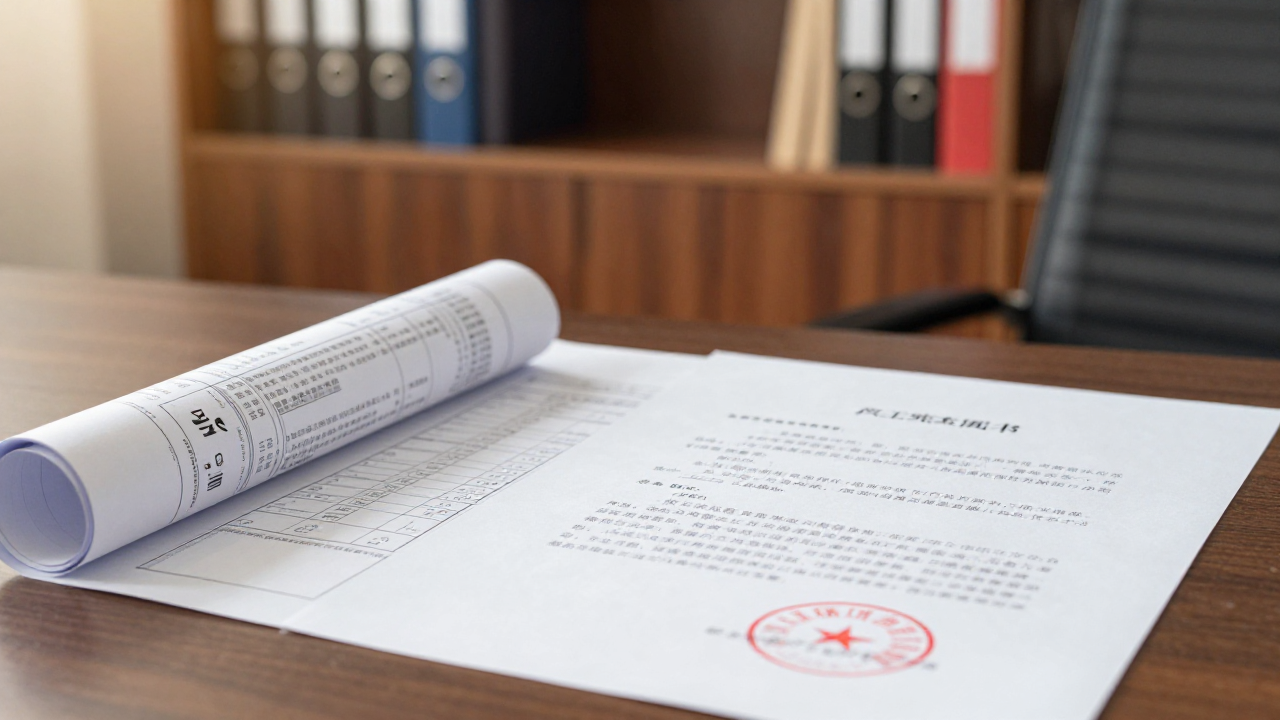
Engineering payment disputes are among the most common legal issues faced by construction companies and developers in China. Under Chinese contract law, the principle of payment for completed work is firmly established, but disputes often arise over project acceptance standards, variation orders, and delay penalties. Understanding the legal framework governing these disputes is essential for any foreign contractor operating in the Chinese construction market.
When a contractor completes the work but the employer refuses or delays payment, the contractor may file a lawsuit in the People's Court. The court will examine the construction contract, progress records, and acceptance certificates. If the work meets the agreed standards, the court will order payment of the outstanding amount plus statutory interest calculated from the due date. The standard limitation period for filing such contract claims is three years from the date the payment became due, so contractors should act promptly when payments fall behind schedule.
Chinese courts also recognize the right of the contractor to claim priority compensation from the proceeds of the auctioned project, similar to a mechanic's lien. Under Article 807 of the Civil Code, the contractor's claim for payment of construction project price takes priority over other secured claims, including mortgages and other security interests. This statutory priority right must be exercised within 18 months of the payment due date, and contractors should register their interest promptly. This right is particularly important for foreign contractors working on Chinese construction projects, as it provides a powerful remedy when the developer faces financial difficulties such as bankruptcy or asset insufficiency.
The first step when a dispute arises is to review the contract terms regarding payment milestones, acceptance criteria, and dispute resolution mechanisms. Chinese courts will generally uphold clear contractual provisions. If the contract is silent on a particular issue, the court will look to the supplementary provisions of the Civil Code, which imply reasonable payment terms and the principle of fairness in contractual relations. Foreign companies should ensure their construction contracts include detailed payment schedules, clear acceptance testing procedures, and dispute escalation clauses. They should also specify the governing law and jurisdiction, as Chinese courts will apply Chinese law to construction disputes involving projects located in China regardless of the parties' nationality.
Evidence preservation is critical in engineering payment disputes. Contractors should maintain detailed records of all work completed, including daily progress reports, signed delivery certificates, photographs of completed work, correspondence regarding variation orders, and records of materials delivered to the site. All variation orders should be approved in writing by the employer or its authorized representative before work proceeds. Oral instructions should be confirmed in writing within a reasonable timeframe. A well-documented paper trail significantly strengthens the legal position in payment disputes and can be decisive in court proceedings.
When negotiations fail, contractors may pursue dispute resolution through litigation, arbitration, or mediation. Many construction contracts in China specify arbitration administered by CIETAC or a local arbitration commission. Arbitration awards are final and binding and can be enforced in China and in other New York Convention signatory countries. Mediation is also increasingly used and can be combined with arbitration in a med-arb process. Regardless of the chosen method, foreign contractors should engage Chinese legal counsel with construction law expertise to navigate the procedural requirements and maximize their chances of recovery.

Feel free to send us an email or drop a call for free consultation.