
 Free Consultation
 Contact Us
Setting Up a Foreign-Invested Company in Sichuan: Legal Requirements
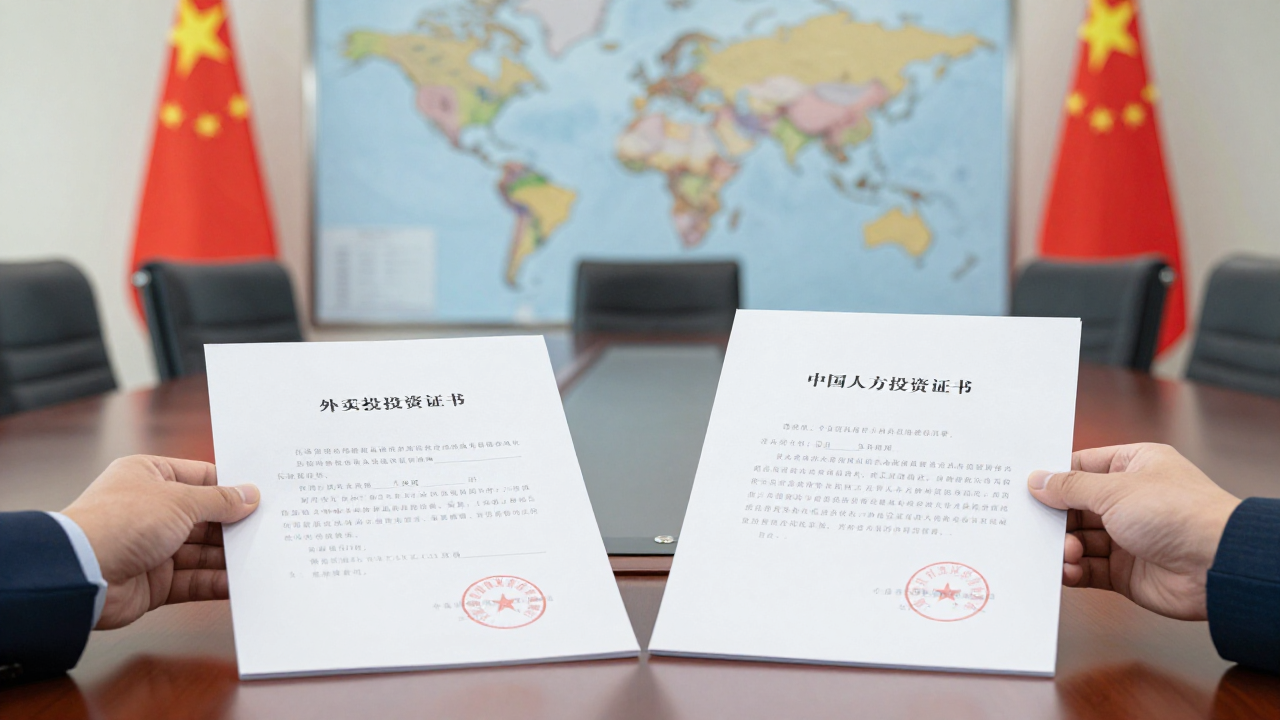
Setting up a foreign-invested company in China requires navigating a complex regulatory landscape. The Foreign Investment Law of 2020 provides the legal framework, replacing the previous three separate laws for different types of foreign investment vehicles.
The most common form of foreign-invested enterprise is the Wholly Foreign-Owned Enterprise, which allows a foreign investor to own 100% of the company. Other options include equity joint ventures and contractual joint ventures with Chinese partners. The choice depends on the industry, investment scale, and business objectives.
The registration process involves multiple government agencies: the Market Supervision Bureau for company registration, the tax authorities for tax registration, the public security bureau for company seal registration, and the foreign exchange administration for currency matters. The entire process typically takes 4 to 8 weeks when all documents are properly prepared.
For investors looking to establish in Sichuan province, the Chengdu Hi-tech Zone and other development zones offer preferential policies including tax holidays, rent subsidies, and streamlined registration procedures. Engaging local legal counsel familiar with Sichuan's investment environment is highly recommended for a smooth setup process.
Setting up a foreign-invested company in Sichuan Province follows the same general procedures as elsewhere in China, but benefits from the province's specific incentives for foreign investment. Under the Foreign Investment Law, which came into effect on January 1, 2020, foreign investors enjoy national treatment, meaning they are generally treated no less favorably than domestic investors. The law replaced the previous approval-based system with a filing and registration system for most industries, significantly streamlining the company formation process. The most common forms of foreign-invested enterprises are Wholly Foreign-Owned Enterprises (WFOE) and Joint Ventures.
The company registration process involves several steps: name pre-registration with the local Administration for Market Regulation, preparation of constitutional documents including the articles of association, capital contribution and bank account opening, business license application, and post-license registrations including tax registration, customs registration, and foreign exchange registration. The entire process typically takes 4 to 8 weeks. Sichuan Province, as part of China's Western Development Strategy, offers additional incentives for foreign investors in encouraged industries, including reduced corporate income tax rates, customs duty exemptions on imported equipment, and streamlined administrative procedures. Foreign investors should consult with local legal counsel to fully understand the available incentives and compliance requirements specific to their industry and location within Sichuan.

Feel free to send us an email or drop a call for free consultation.
Related Legal Topics



Other lawyers have the same expertise

Zhao Xiaohua is a full-time lawyer at Tianjin Liren Law Firm in the Binhai New Area of Tianjin, specializing in vi...

Wang Genyu is director of Tianjin Hefeixin Law Firm in the Nankai District of Tianjin, specializing in family law,...

Zhao Zhiguo is director of Tianjin Junjian Law Firm, based in the Binhai New Area of Tianjin, specializing in comp...

Liu Wei is a partner lawyer at Beijing Lianggao (Tianjin) Law Firm in the Nankai District of Tianjin, specializing...

Zhang Yingjie is a full-time lawyer at Tianjin Sanguan Law Firm in the Beichen District of Tianjin, specializing i...

Comments