
 Free Consultation
 Contact Us
Foreign Investment in China's Energy and Infrastructure Sector: A Legal Guide for International Investors
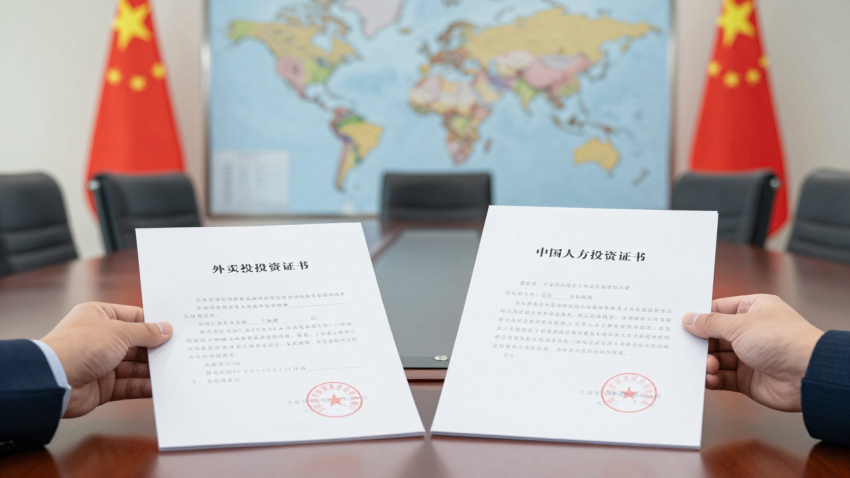
Foreign investment in China's energy and infrastructure sectors has grown substantially since the implementation of the Foreign Investment Law in 2020. The law replaced the previous approval-based system with a streamlined registration and negative list approach, creating new opportunities for foreign investors while maintaining regulatory oversight in sectors deemed critical to national security. For foreign companies considering investment in Chinese energy projects, understanding the current legal framework is essential for structuring compliant transactions and managing regulatory risk.
The Foreign Investment Law Framework
The PRC Foreign Investment Law, which took effect on January 1, 2020, establishes the basic legal framework for foreign investment in China. The law is supplemented by the Implementing Regulations of the Foreign Investment Law and the Special Administrative Measures for Foreign Investment Access, commonly known as the Foreign Investment Negative List. Under the negative list system, foreign investment in most sectors is permitted on a national treatment basis, meaning foreign investors are treated no less favorably than domestic investors. For sectors listed on the negative list, foreign investment is either prohibited outright or subject to additional conditions, such as joint venture requirements, shareholding caps, or management control restrictions. The energy sector in China is partially restricted under the negative list, with nuclear power generation subject to majority Chinese ownership requirements and certain oil and gas pipeline projects subject to joint venture requirements.
Market Access and Approval Procedures
Foreign investors in Chinese energy infrastructure must navigate multiple regulatory approval processes. The first step is to determine whether the proposed investment falls within a restricted or prohibited category under the negative list. If the investment is in a permitted sector, the investor must complete foreign investment information reporting with the Ministry of Commerce or its local counterpart, file for project approval or record-filing with the National Development and Reform Commission, and apply for applicable business licenses and permits. For energy projects involving power generation, transmission, or distribution, additional approvals from the National Energy Administration are required. Projects involving the exploration or development of oil, natural gas, or mineral resources require permits from the Ministry of Natural Resources under the Mineral Resources Law.
Dispute Resolution Mechanisms for Foreign Investors
Foreign investors in Chinese energy infrastructure projects should ensure their investment agreements include robust dispute resolution provisions. International arbitration is generally preferred for cross-border energy investments, with common venues including the Hong Kong International Arbitration Centre, the Singapore International Arbitration Centre, and the ICC International Court of Arbitration in Paris. China is a signatory to the New York Convention on the Recognition and Enforcement of Foreign Arbitral Awards, which facilitates the enforcement of international arbitration awards in Chinese courts. For disputes arising under bilateral investment treaties, foreign investors may have the additional option of investor-state arbitration. Jiang Yanchao in Wuhan has extensive experience advising foreign clients on energy and infrastructure investments in China, including regulatory compliance, transaction structuring, and cross-border dispute resolution.
Dispute Resolution Application Notes
I plan enforcement first—assets, licenses, receivables, and interim measures—so strategy is not limited to winning on paper.
I document scope, assumptions, and decision rights at engagement start so foreign clients know what will be filed, who must approve, and when silence becomes a missed deadline.
Foreign individuals and companies typically need three workstreams in parallel: factual chronology, authority paperwork, and remedy selection. I keep those streams visible in status notes so headquarters can decide without re-reading the entire file. Where local counterparties rely on relationship pressure, I re-anchor discussions to contract text, statutory rights, and verifiable performance records. Fee arrangements, conflict checks, and confidentiality boundaries are confirmed before substantive drafting or filings begin. After key milestones I deliver a short handover: decisions made, open conditions, filing receipts, and calendar items for renewals or enforcement. This operating rhythm reduces repeat disputes and keeps institutional knowledge with the client rather than trapped in chat history.
- ⚖️ Written scope and remedy map
- 📜 Bilingual document control
- 🛡️ Deadline and limitation tracking
- 💼 Enforcement and settlement options in parallel
Operational Checklist for Foreign Readers
I document scope, assumptions, and decision rights at engagement start so foreign clients know what will be filed, who must approve, and when silence becomes a missed deadline.
I treat bilingual consistency as a risk control: chops, authority documents, and English summaries must tell the same commercial story.
Foreign individuals and companies typically need three workstreams in parallel: factual chronology, authority paperwork, and remedy selection. I keep those streams visible in status notes so headquarters can decide without re-reading the entire file. Where local counterparties rely on relationship pressure, I re-anchor discussions to contract text, statutory rights, and verifiable performance records. Fee arrangements, conflict checks, and confidentiality boundaries are confirmed before substantive drafting or filings begin. After key milestones I deliver a short handover: decisions made, open conditions, filing receipts, and calendar items for renewals or enforcement. This operating rhythm reduces repeat disputes and keeps institutional knowledge with the client rather than trapped in chat history.
- ⚖️ Written scope and remedy map
- 📜 Bilingual document control
- 🛡️ Deadline and limitation tracking
- 💼 Enforcement and settlement options in parallel
Risk Controls Before Escalation
I treat bilingual consistency as a risk control: chops, authority documents, and English summaries must tell the same commercial story.
I prefer early written notices and clean evidence indexes over informal WeChat-only chains when the amount or regulatory exposure is material.
Foreign individuals and companies typically need three workstreams in parallel: factual chronology, authority paperwork, and remedy selection. I keep those streams visible in status notes so headquarters can decide without re-reading the entire file. Where local counterparties rely on relationship pressure, I re-anchor discussions to contract text, statutory rights, and verifiable performance records. Fee arrangements, conflict checks, and confidentiality boundaries are confirmed before substantive drafting or filings begin. After key milestones I deliver a short handover: decisions made, open conditions, filing receipts, and calendar items for renewals or enforcement. This operating rhythm reduces repeat disputes and keeps institutional knowledge with the client rather than trapped in chat history.
- ⚖️ Written scope and remedy map
- 📜 Bilingual document control
- 🛡️ Deadline and limitation tracking
- 💼 Enforcement and settlement options in parallel
Implementation Detail 1
I document scope, assumptions, and decision rights at engagement start so foreign clients know what will be filed, who must approve, and when silence becomes a missed deadline.
I treat bilingual consistency as a risk control: chops, authority documents, and English summaries must tell the same commercial story.
Foreign individuals and companies typically need three workstreams in parallel: factual chronology, authority paperwork, and remedy selection. I keep those streams visible in status notes so headquarters can decide without re-reading the entire file. Where local counterparties rely on relationship pressure, I re-anchor discussions to contract text, statutory rights, and verifiable performance records. Fee arrangements, conflict checks, and confidentiality boundaries are confirmed before substantive drafting or filings begin. After key milestones I deliver a short handover: decisions made, open conditions, filing receipts, and calendar items for renewals or enforcement. This operating rhythm reduces repeat disputes and keeps institutional knowledge with the client rather than trapped in chat history.
- ⚖️ Written scope and remedy map
- 📜 Bilingual document control
- 🛡️ Deadline and limitation tracking
- 💼 Enforcement and settlement options in parallel
Implementation Detail 2
I convert complex Chinese procedure into a dated checklist with owners for translation, notarization, and internal sign-off across time zones.
I plan enforcement first—assets, licenses, receivables, and interim measures—so strategy is not limited to winning on paper.
Foreign individuals and companies typically need three workstreams in parallel: factual chronology, authority paperwork, and remedy selection. I keep those streams visible in status notes so headquarters can decide without re-reading the entire file. Where local counterparties rely on relationship pressure, I re-anchor discussions to contract text, statutory rights, and verifiable performance records. Fee arrangements, conflict checks, and confidentiality boundaries are confirmed before substantive drafting or filings begin. After key milestones I deliver a short handover: decisions made, open conditions, filing receipts, and calendar items for renewals or enforcement. This operating rhythm reduces repeat disputes and keeps institutional knowledge with the client rather than trapped in chat history.
- ⚖️ Written scope and remedy map
- 📜 Bilingual document control
- 🛡️ Deadline and limitation tracking
- 💼 Enforcement and settlement options in parallel

Feel free to send us an email or drop a call for free consultation.


