
 Free Consultation
 Contact Us
Civil Litigation in China: What International Clients Should Expect
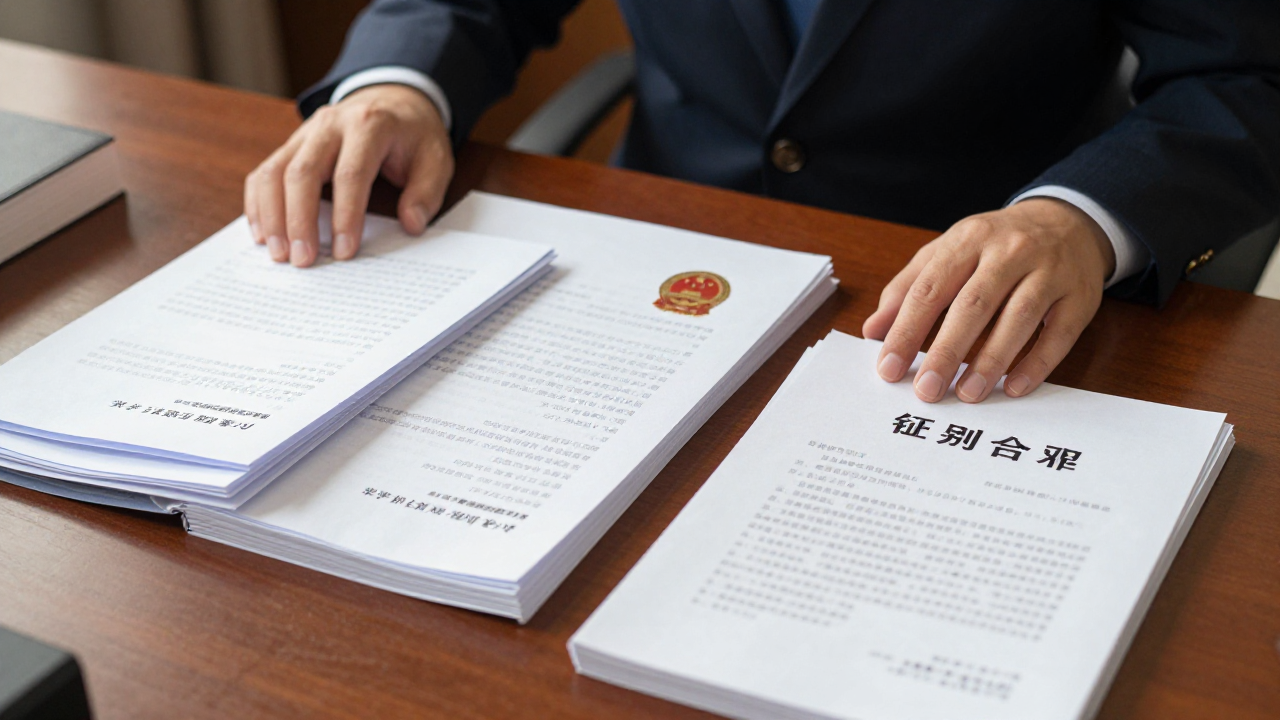
Civil litigation in China follows a structured process governed by the Civil Procedure Law. For foreign parties involved in civil disputes in China, understanding the court system and procedural rules is essential for effective legal action.
Chinese courts operate at four levels: basic, intermediate, higher, and Supreme People's Court. The jurisdiction depends on the nature and value of the case. Foreign-related cases are typically heard by intermediate courts, which have more experience with cross-border legal issues.
The litigation process begins with filing a complaint and supporting evidence. Chinese civil procedure emphasizes mediation at every stage, and courts often encourage settlement before trial. If mediation fails, the case proceeds to trial, where the judge examines evidence and hears arguments. The standard of proof is "preponderance of evidence," similar to common law systems.
Enforcement of judgments is a practical challenge in China. Successful plaintiffs must apply to the court for enforcement, and the court may take measures including asset freezing, seizure, and auction. Foreign parties should assess the defendant's assets before initiating litigation to ensure a meaningful recovery.
Civil litigation in China is governed by the Civil Procedure Law and follows a structured process from filing to enforcement. The court system consists of four levels: the Supreme People's Court, Higher People's Courts, Intermediate People's Courts, and Basic People's Courts. The Basic People's Court has jurisdiction over most first-instance civil cases, while Intermediate People's Courts handle cases involving foreign parties, significant commercial disputes, and cases with substantial claim amounts. International clients should be aware that the court with jurisdiction is typically the court in the defendant's place of domicile or the place where the contract was performed.
The litigation process begins with the plaintiff filing a complaint and supporting evidence with the court. If the court accepts the case, it will serve the complaint on the defendant, who must file a defense within 15 days. The court will then attempt mediation before proceeding to trial. Chinese civil trials consist of both oral proceedings and documentary review. The court generally renders a judgment within six months of accepting the case, though complex cases may take longer. Appeals to the next higher court must be filed within 15 days of the judgment. Foreign parties should engage Chinese legal counsel familiar with local court practices, as procedural rules and judicial interpretations can vary significantly between jurisdictions.

Feel free to send us an email or drop a call for free consultation.
Related Legal Topics


Other lawyers have the same expertise

Zhao Xiaohua is a full-time lawyer at Tianjin Liren Law Firm in the Binhai New Area of Tianjin, specializing in vi...

Wang Genyu is director of Tianjin Hefeixin Law Firm in the Nankai District of Tianjin, specializing in family law,...

Zhao Zhiguo is director of Tianjin Junjian Law Firm, based in the Binhai New Area of Tianjin, specializing in comp...

Liu Wei is a partner lawyer at Beijing Lianggao (Tianjin) Law Firm in the Nankai District of Tianjin, specializing...

Zhang Yingjie is a full-time lawyer at Tianjin Sanguan Law Firm in the Beichen District of Tianjin, specializing i...

Comments