 Ask A Lawyer
 Contact Us
Company Registration and Corporate Governance in China
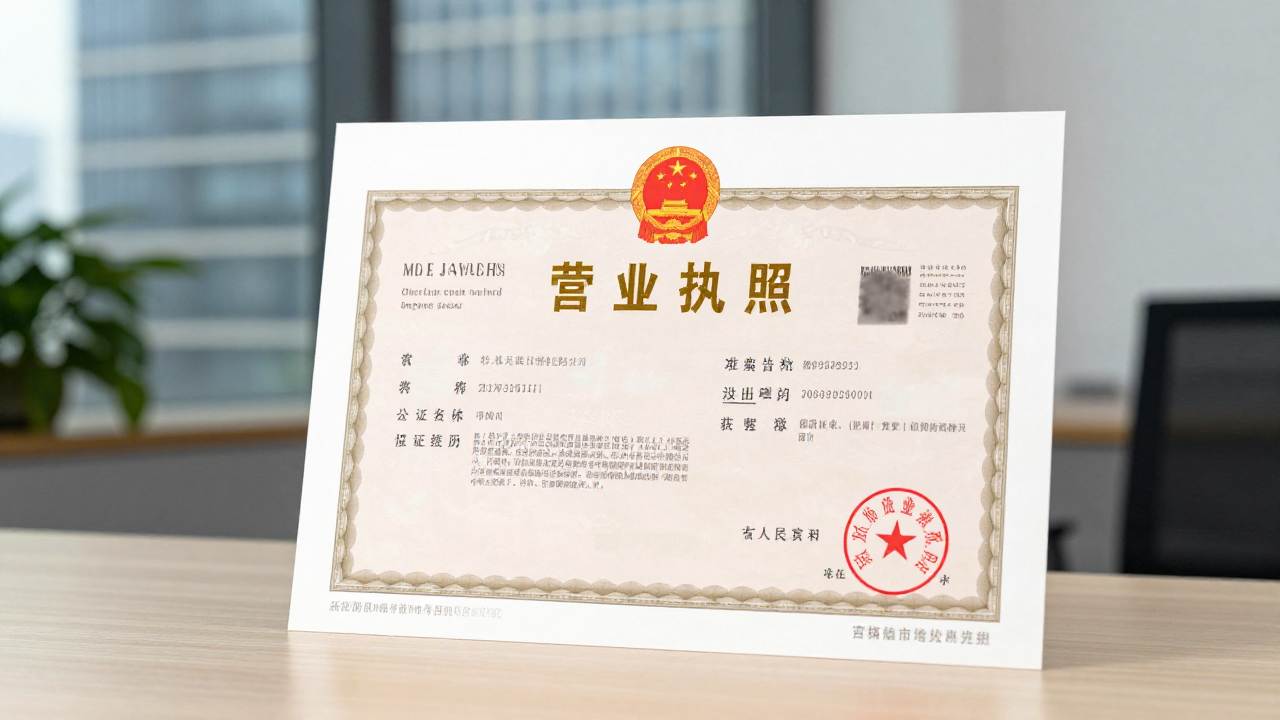
Setting up a company in China requires navigating a clear but detailed legal framework. From choosing the appropriate corporate structure to meeting ongoing governance obligations, foreign investors must understand the registration process, capital requirements, and compliance duties that apply to companies operating in China.
Choice of Corporate Structure
The most common corporate structures for foreign investors in China are the Wholly Foreign-Owned Enterprise and the Joint Venture. A WFOE offers the advantage of complete operational control, as the foreign investor holds 100 percent equity. Since the removal of minimum registered capital requirements for most industries under the Company Law amendments, WFOEs can be capitalized at levels appropriate to their business needs, though certain regulated industries still require minimum capital thresholds. The WFOE requires at least one director, a legal representative who is a Chinese resident, a registered address in the city of operation, and registered capital that must be fully paid in within the period specified in the articles of association.
Joint ventures are less common under the current regulatory environment but remain necessary for certain restricted industries where foreign ownership caps apply. The Foreign Investment Law of 2020 introduced a negative list approach, clearly specifying which industries are restricted or prohibited for foreign investment, with all others open to foreign investment on a national treatment basis. Foreign investors should review the current negative list carefully before choosing their corporate structure, as industry-specific restrictions may affect the feasibility of a WFOE versus a joint venture. The negative list is updated periodically, and industries that were previously restricted may become open to foreign investment over time.
The Registration Process
Company registration in China involves multiple government agencies. The process begins with name pre-approval through the State Administration for Market Regulation, followed by submission of incorporation documents including the articles of association, lease agreement for the registered address, identity documents of directors and shareholders, and the capital verification report if required. After receiving the business license from SAMR, the company must complete several post-incorporation steps: apply for an official company seal at the public security bureau, register for tax purposes at the local tax bureau, open a bank account with a Chinese bank, register with the social insurance bureau, and file for foreign exchange registration if the company will receive foreign currency capital contributions.
The entire process typically takes four to eight weeks, depending on the complexity of the business scope and the efficiency of local government agencies. Many cities now offer streamlined online registration through unified government service portals, which can reduce processing times significantly and allow for same-day business license issuance in some cases. Foreign investors should factor this timeline into their market entry planning and consider engaging a professional company formation agent to manage the process efficiently. The choice of registered address is particularly important, as some addresses may be designated for specific business types and some districts offer tax incentives or streamlined procedures for certain industries.
Corporate Governance Requirements
Chinese company law imposes specific governance obligations on all incorporated entities. Every company must hold an annual shareholders' meeting and board meetings at intervals specified in the articles of association. The company must maintain proper accounting records and submit annual financial reports to the tax authorities and SAMR. The annual reporting requirement includes filing a detailed report with the Enterprise Credit Information Publicity System, which includes basic company information, shareholder details, and financial data that becomes publicly accessible. Companies with foreign investment must also comply with the Foreign Investment Information Reporting system, requiring reporting of changes in ownership structure, business scope, and other material matters.
Failure to file annual reports or maintain proper records can result in the company being listed in the list of enterprises operating abnormally, which can trigger increased regulatory scrutiny and potential business license revocation. Companies should maintain a compliance calendar to track all filing deadlines and engage qualified professionals to ensure timely submissions. The legal representative, who is typically the most senior executive of the company, bears personal legal responsibility for the company's compliance with regulatory requirements, including tax filings and annual reports. This personal liability makes the selection of a qualified and reliable legal representative a critical decision for foreign investors.
Common Compliance Obligations
Ongoing compliance obligations for Chinese companies include monthly and annual tax filings, social insurance contributions for all employees, housing fund contributions, and labor contract management. Corporate income tax is set at 25 percent of taxable profits, though reduced rates of 15 percent apply to companies in encouraged industries within designated areas such as the Shanghai Free Trade Zone or the Hainan Free Trade Port. Value-added tax applies to goods and services at rates ranging from 3 percent to 13 percent depending on the nature of the transaction. Foreign companies should engage a qualified Chinese accounting firm for bookkeeping and tax compliance, as the statutory accounting standards and tax calculation methods differ significantly from Western jurisdictions.
Regular legal audits of corporate governance practices are recommended to identify and address compliance gaps before they result in regulatory penalties. Companies should also be aware that tax authorities increasingly use data analytics to identify discrepancies between reported revenues and other available data sources, making accurate and complete tax filings more important than ever. Social insurance contributions must be made for all employees including foreign employees who are required to participate in China's social insurance system under the Social Insurance Law. Failure to make proper social insurance contributions can result in penalties and may affect the company's ability to obtain or renew work permits for foreign employees.
Company Formation Application Notes
I treat bilingual consistency as a risk control: chops, authority documents, and English summaries must tell the same commercial story.
I prefer early written notices and clean evidence indexes over informal WeChat-only chains when the amount or regulatory exposure is material.
Foreign individuals and companies typically need three workstreams in parallel: factual chronology, authority paperwork, and remedy selection. I keep those streams visible in status notes so headquarters can decide without re-reading the entire file. Where local counterparties rely on relationship pressure, I re-anchor discussions to contract text, statutory rights, and verifiable performance records. Fee arrangements, conflict checks, and confidentiality boundaries are confirmed before substantive drafting or filings begin. After key milestones I deliver a short handover: decisions made, open conditions, filing receipts, and calendar items for renewals or enforcement. This operating rhythm reduces repeat disputes and keeps institutional knowledge with the client rather than trapped in chat history.
- ⚖️ Written scope and remedy map
- 📜 Bilingual document control
- 🛡️ Deadline and limitation tracking
- 💼 Enforcement and settlement options in parallel
Operational Checklist for Foreign Readers
I prefer early written notices and clean evidence indexes over informal WeChat-only chains when the amount or regulatory exposure is material.
I convert complex Chinese procedure into a dated checklist with owners for translation, notarization, and internal sign-off across time zones.
Foreign individuals and companies typically need three workstreams in parallel: factual chronology, authority paperwork, and remedy selection. I keep those streams visible in status notes so headquarters can decide without re-reading the entire file. Where local counterparties rely on relationship pressure, I re-anchor discussions to contract text, statutory rights, and verifiable performance records. Fee arrangements, conflict checks, and confidentiality boundaries are confirmed before substantive drafting or filings begin. After key milestones I deliver a short handover: decisions made, open conditions, filing receipts, and calendar items for renewals or enforcement. This operating rhythm reduces repeat disputes and keeps institutional knowledge with the client rather than trapped in chat history.
- ⚖️ Written scope and remedy map
- 📜 Bilingual document control
- 🛡️ Deadline and limitation tracking
- 💼 Enforcement and settlement options in parallel
Risk Controls Before Escalation
I convert complex Chinese procedure into a dated checklist with owners for translation, notarization, and internal sign-off across time zones.
I plan enforcement first—assets, licenses, receivables, and interim measures—so strategy is not limited to winning on paper.
Foreign individuals and companies typically need three workstreams in parallel: factual chronology, authority paperwork, and remedy selection. I keep those streams visible in status notes so headquarters can decide without re-reading the entire file. Where local counterparties rely on relationship pressure, I re-anchor discussions to contract text, statutory rights, and verifiable performance records. Fee arrangements, conflict checks, and confidentiality boundaries are confirmed before substantive drafting or filings begin. After key milestones I deliver a short handover: decisions made, open conditions, filing receipts, and calendar items for renewals or enforcement. This operating rhythm reduces repeat disputes and keeps institutional knowledge with the client rather than trapped in chat history.
- ⚖️ Written scope and remedy map
- 📜 Bilingual document control
- 🛡️ Deadline and limitation tracking
- 💼 Enforcement and settlement options in parallel

Feel free to send us an email or drop a call for free consultation.