
 Ask A Lawyer
 Contact Us
White-Collar Crime in China: Legal Risks and Defense Strategies for Foreign Businesses
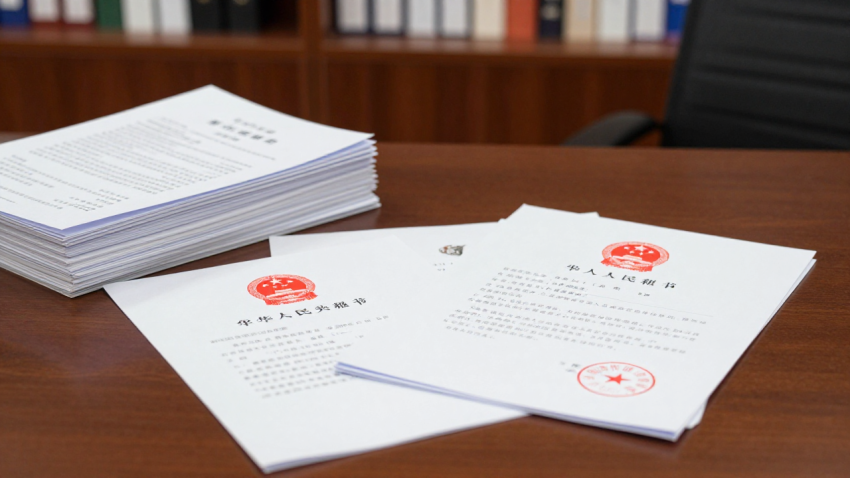
Understanding White-Collar Crime in China: Legal Framework and Defense Strategies
White-collar crime in China encompasses a range of economic and financial offenses prosecuted under criminal law. For foreign executives and business owners operating in China, understanding the legal landscape of white-collar crime is essential for compliance and risk management.
Types of White-Collar Crime
Chinese criminal law defines several categories of white-collar offenses including bribery, embezzlement, fraud, misappropriation of funds, and intellectual property crimes. These offenses are prosecuted aggressively, particularly when they involve state-owned enterprise assets or public funds.
Bribery and Anti-Corruption Laws
China's anti-corruption framework applies to both Chinese nationals and foreign individuals operating within China's jurisdiction. Bribery of state functionaries carries severe penalties, including substantial fines and imprisonment. The Criminal Law defines active bribery (offering bribes) and passive bribery (accepting bribes) as separate offenses, with penalties calibrated to the amount involved and the nature of the benefit sought.
Defense Strategies in White-Collar Cases
Effective defense strategies in white-collar criminal cases focus on several key areas: challenging the sufficiency of evidence, disputing the element of intent, demonstrating good faith business practices, and negotiating leniency through cooperation with authorities. The Chinese criminal justice system places significant weight on voluntary confession and restitution — defendants who proactively return illicit gains often receive reduced sentences.
Prevention and Compliance for Foreign Businesses
Foreign companies can mitigate white-collar crime risks through robust compliance programs. Implementing clear anti-bribery policies, conducting regular compliance training, maintaining transparent financial records, and engaging independent auditors are all effective preventive measures. Due diligence on business partners and intermediaries is particularly important in sectors with high corruption risk.
International Cooperation in White-Collar Crime Investigations
China increasingly cooperates with foreign law enforcement agencies in investigating and prosecuting white-collar crimes with cross-border dimensions. Mutual legal assistance treaties between China and other countries facilitate evidence sharing, witness examination, and asset tracing in transnational cases. Foreign companies that discover potential violations within their China operations should conduct thorough internal investigations with the assistance of legal counsel experienced in both Chinese law and the relevant foreign legal frameworks. Proactive cooperation with authorities, voluntary disclosure, and implementation of remedial measures can significantly mitigate legal exposure and demonstrate good corporate citizenship.
Compliance Program Best Practices
Effective compliance programs for foreign companies operating in China should include several key elements. A written code of conduct clearly prohibiting bribery, fraud, and other illegal practices should be implemented and communicated to all employees and business partners. Regular compliance training should be conducted for employees at all levels, with specific focus on anti-bribery, anti-money laundering, and data privacy requirements. Third-party due diligence procedures should be established to screen business partners, agents, and intermediaries for integrity risks. Anonymous reporting channels should be available for employees to report suspected violations without fear of retaliation. Regular compliance audits and periodic program reviews ensure the program remains effective and adapts to evolving regulatory requirements.
Asset Forfeiture and Recovery in Criminal Cases
White-collar crime convictions result in both criminal penalties and economic sanctions including forfeiture of illegal gains, property confiscation, and fines. For foreign defendants, cross-border asset recovery presents complications. Mutual legal assistance frameworks allow for cross-border asset freezing. Victims may pursue separate civil proceedings for compensation or seek restitution within criminal proceedings. Foreign companies falling victim to fraud in China should promptly engage counsel to preserve evidence and pursue both criminal and civil remedies.
Building an Effective Corporate Compliance Program in China
Foreign companies operating in China should establish comprehensive compliance programs that address the full spectrum of legal and regulatory risks. Effective compliance programs include written policies and procedures covering anti-bribery, anti-fraud, anti-money laundering, data privacy, and trade compliance, regular training for employees at all levels, third-party due diligence procedures for business partners and intermediaries, internal reporting mechanisms including anonymous whistleblower hotlines, and periodic compliance audits and program effectiveness reviews. China enforcement agencies increasingly focus on corporate compliance as a factor in determining penalties for violations, with well-implemented compliance programs potentially mitigating sanctions. Companies that demonstrate a genuine commitment to ethical business practices and regulatory compliance through structured programs are better positioned to identify and address issues early, respond effectively to government investigations, and maintain the trust of stakeholders including customers, business partners, and regulatory authorities.
International Anti-Corruption Compliance for China Operations
Foreign companies with China operations must navigate a complex anti-corruption landscape that includes both Chinese law and extraterritorial legislation such as the US Foreign Corrupt Practices Act and the UK Bribery Act. Chinese anti-bribery law prohibits offering or accepting bribes to or from state functionaries, and the penalties include substantial fines, imprisonment, and confiscation of illegal gains. The刑法 (Criminal Law) distinguishes between active bribery and passive bribery, with both parties to an illicit transaction potentially facing prosecution. Foreign companies should implement anti-corruption policies that meet the highest applicable standards, conduct due diligence on business partners and agents who interact with government officials, and provide regular compliance training for employees. Particular attention should be paid to customary business practices such as gift-giving, entertainment, and hospitality, which may be permissible within reasonable limits but can cross the line into bribery if excessive or intended to influence official decisions. Maintaining accurate books and records that properly characterize all business expenditures is essential for compliance with both Chinese and international anti-corruption requirements.
Internal Investigation Procedures for Suspected White-Collar Crime
When a company suspects white-collar crime within its China operations, conducting a thorough internal investigation is essential for understanding the facts, assessing legal exposure, and determining appropriate remedial measures. Internal investigations should be conducted under the direction of legal counsel to preserve attorney-client privilege where applicable, and should follow a structured methodology including preservation of relevant documents and data, identification and interview of witnesses, review of financial records and transaction documentation, and analysis of findings to determine whether a violation has occurred. Companies should consider whether voluntary disclosure to Chinese authorities is appropriate, as proactive cooperation may mitigate penalties in certain circumstances. It is important to balance the need for thorough investigation with the operational impact on the business and the rights of employees who may be subjects or witnesses in the investigation. Engaging experienced counsel with expertise in both Chinese law and cross-border investigations is strongly recommended for companies facing potential white-collar crime issues in China.
Understanding Criminal Procedure in White-Collar Cases
Criminal procedure in Chinese white-collar cases follows a distinct path from ordinary criminal proceedings. The investigative stage conducted by the supervisory commission or public security involves evidence collection, witness interviews, and potentially coercive measures including detention. The prosecution stage involves review of the investigative findings and determination of whether sufficient evidence exists to support charges. The trial stage involves presentation of evidence by the prosecution, defense examination, and court deliberation. The entire process from investigation to final judgment may take 6-18 months depending on the complexity of the case and the volume of evidence. Foreign defendants in Chinese criminal proceedings have the right to legal representation, interpretation services, and consular notification under applicable bilateral consular agreements. Understanding procedural rights and timelines is essential for developing an effective defense strategy and managing the personal and business impact of criminal proceedings.
Post-Conviction Remedies and Rehabilitation
Defendants convicted of white-collar crimes in China have several post-conviction remedies available. Appeals may be filed within 10 days of the judgment in the next higher court. Retrial petitions may be filed with the original court or a higher court based on newly discovered evidence, procedural errors, or legal errors in the original judgment. Commutation of sentence may be available for defendants who demonstrate good behavior, participate in rehabilitation programs, or make restitution to victims. Foreign defendants who have served their sentences or received suspended sentences face additional considerations regarding their immigration status, as criminal convictions may affect their eligibility for future visas or entry into China. Understanding the full range of post-conviction options and the potential immigration consequences of criminal convictions is essential for foreign defendants and their legal advisors in developing comprehensive case strategies that address both immediate legal issues and long-term implications for the defendant personal and professional life.

Feel free to send us an email or drop a call for free consultation.