
 Ask A Lawyer
 Contact Us
Civil Litigation in China: What International Clients Should Expect
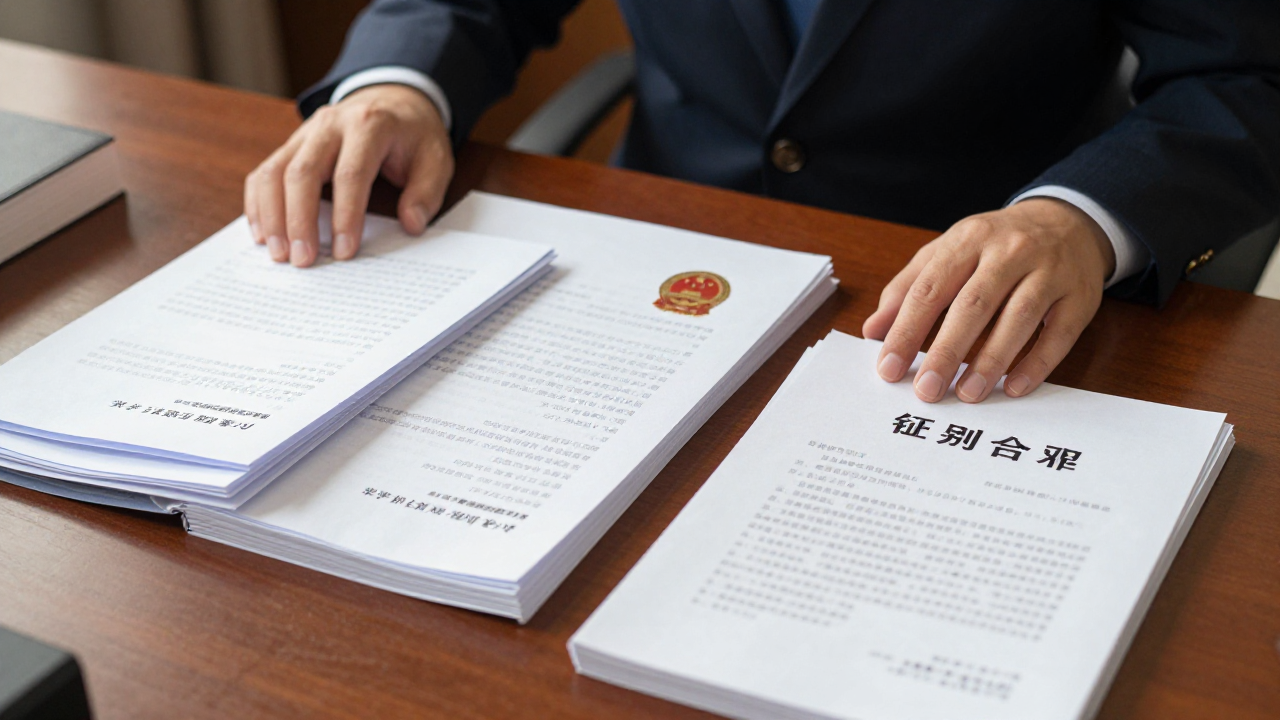
Civil litigation in China follows a structured process governed by the Civil Procedure Law. For foreign parties involved in civil disputes in China, understanding the court system and procedural rules is essential for effective legal action and realistic assessment of the time and cost involved.
Chinese courts operate at four levels: the Supreme People's Court in Beijing, Higher People's Courts at the provincial level, Intermediate People's Courts in major cities, and Basic People's Courts at the district and county level. The Basic People's Court has jurisdiction over most first-instance civil cases involving claims below a certain threshold. Intermediate People's Courts handle cases involving foreign parties, significant commercial disputes, cases with substantial claim amounts, and cases with complex factual or legal issues. The court with jurisdiction is generally the court in the defendant's place of domicile or the place where the contract was performed or the tort occurred. Foreign parties may also agree on a specific court in their contract through a jurisdiction clause, subject to certain restrictions on exclusive jurisdiction for certain types of cases such as real estate disputes.
The litigation process begins with the plaintiff filing a complaint and supporting evidence with the court. If the court accepts the case, it will serve the complaint on the defendant, who must file a written defense within 15 days or 30 days if the defendant is located outside China. The court will then attempt mediation before proceeding to trial, as Chinese civil procedure emphasizes amicable dispute resolution at every stage. If mediation fails, the case proceeds to trial, where a panel of judges or a single judge examines evidence and hears arguments. Chinese civil trials are not divided into separate liability and damages phases as in some common law systems; instead, the court considers all issues together in a single proceeding. The standard of proof is preponderance of evidence, similar to common law systems. The court generally renders a judgment within six months of accepting the case for standard procedures, though complex cases may take longer. The simplified procedure, available for cases with small claim amounts or straightforward facts, has a three-month deadline.
Appeals are available as of right from first-instance judgments. The appeal must be filed with the next higher court within 15 days of the judgment being served, or 30 days for parties located outside China. The appellate court may review both factual and legal issues and may affirm, reverse, or modify the lower court's judgment. Appeals generally take three to six months to resolve. After the appellate judgment, parties may petition for retrial through China's trial supervision procedure if there are grounds such as newly discovered evidence, fundamental legal errors, or procedural irregularities. The retrial petition must be filed within six months of the effective judgment, but retrials are granted only in exceptional circumstances.
Enforcement of judgments is a practical challenge in China that deserves careful attention before initiating litigation. Successful plaintiffs must apply to the court for enforcement within two years of the judgment becoming effective. The enforcement court may take measures including asset freezing, seizure and auction of property, restriction of the debtor's travel and high consumption, inclusion on the dishonesty blacklist, and in serious cases, criminal prosecution for refusal to enforce a court judgment. However, enforcement is ultimately contingent on the debtor having sufficient assets. Foreign parties should assess the defendant's assets before initiating litigation to ensure a meaningful recovery and should consider seeking asset preservation orders at the time of filing to prevent the dissipation of assets during the proceedings. Engagement of Chinese legal counsel familiar with local court practices is essential, as procedural rules and judicial interpretations can vary significantly between jurisdictions.
Dispute Resolution Application Notes
I plan enforcement first—assets, licenses, receivables, and interim measures—so strategy is not limited to winning on paper.
I document scope, assumptions, and decision rights at engagement start so foreign clients know what will be filed, who must approve, and when silence becomes a missed deadline.
Foreign individuals and companies typically need three workstreams in parallel: factual chronology, authority paperwork, and remedy selection. I keep those streams visible in status notes so headquarters can decide without re-reading the entire file. Where local counterparties rely on relationship pressure, I re-anchor discussions to contract text, statutory rights, and verifiable performance records. Fee arrangements, conflict checks, and confidentiality boundaries are confirmed before substantive drafting or filings begin. After key milestones I deliver a short handover: decisions made, open conditions, filing receipts, and calendar items for renewals or enforcement. This operating rhythm reduces repeat disputes and keeps institutional knowledge with the client rather than trapped in chat history.
- ⚖️ Written scope and remedy map
- 📜 Bilingual document control
- 🛡️ Deadline and limitation tracking
- 💼 Enforcement and settlement options in parallel
Operational Checklist for Foreign Readers
I document scope, assumptions, and decision rights at engagement start so foreign clients know what will be filed, who must approve, and when silence becomes a missed deadline.
I treat bilingual consistency as a risk control: chops, authority documents, and English summaries must tell the same commercial story.
Foreign individuals and companies typically need three workstreams in parallel: factual chronology, authority paperwork, and remedy selection. I keep those streams visible in status notes so headquarters can decide without re-reading the entire file. Where local counterparties rely on relationship pressure, I re-anchor discussions to contract text, statutory rights, and verifiable performance records. Fee arrangements, conflict checks, and confidentiality boundaries are confirmed before substantive drafting or filings begin. After key milestones I deliver a short handover: decisions made, open conditions, filing receipts, and calendar items for renewals or enforcement. This operating rhythm reduces repeat disputes and keeps institutional knowledge with the client rather than trapped in chat history.
- ⚖️ Written scope and remedy map
- 📜 Bilingual document control
- 🛡️ Deadline and limitation tracking
- 💼 Enforcement and settlement options in parallel
Risk Controls Before Escalation
I treat bilingual consistency as a risk control: chops, authority documents, and English summaries must tell the same commercial story.
I prefer early written notices and clean evidence indexes over informal WeChat-only chains when the amount or regulatory exposure is material.
Foreign individuals and companies typically need three workstreams in parallel: factual chronology, authority paperwork, and remedy selection. I keep those streams visible in status notes so headquarters can decide without re-reading the entire file. Where local counterparties rely on relationship pressure, I re-anchor discussions to contract text, statutory rights, and verifiable performance records. Fee arrangements, conflict checks, and confidentiality boundaries are confirmed before substantive drafting or filings begin. After key milestones I deliver a short handover: decisions made, open conditions, filing receipts, and calendar items for renewals or enforcement. This operating rhythm reduces repeat disputes and keeps institutional knowledge with the client rather than trapped in chat history.
- ⚖️ Written scope and remedy map
- 📜 Bilingual document control
- 🛡️ Deadline and limitation tracking
- 💼 Enforcement and settlement options in parallel
Implementation Detail 1
I document scope, assumptions, and decision rights at engagement start so foreign clients know what will be filed, who must approve, and when silence becomes a missed deadline.
I treat bilingual consistency as a risk control: chops, authority documents, and English summaries must tell the same commercial story.
Foreign individuals and companies typically need three workstreams in parallel: factual chronology, authority paperwork, and remedy selection. I keep those streams visible in status notes so headquarters can decide without re-reading the entire file. Where local counterparties rely on relationship pressure, I re-anchor discussions to contract text, statutory rights, and verifiable performance records. Fee arrangements, conflict checks, and confidentiality boundaries are confirmed before substantive drafting or filings begin. After key milestones I deliver a short handover: decisions made, open conditions, filing receipts, and calendar items for renewals or enforcement. This operating rhythm reduces repeat disputes and keeps institutional knowledge with the client rather than trapped in chat history.
- ⚖️ Written scope and remedy map
- 📜 Bilingual document control
- 🛡️ Deadline and limitation tracking
- 💼 Enforcement and settlement options in parallel

Feel free to send us an email or drop a call for free consultation.