
 Ask A Lawyer
 Contact Us
Property Ownership and Real Estate Transactions in China
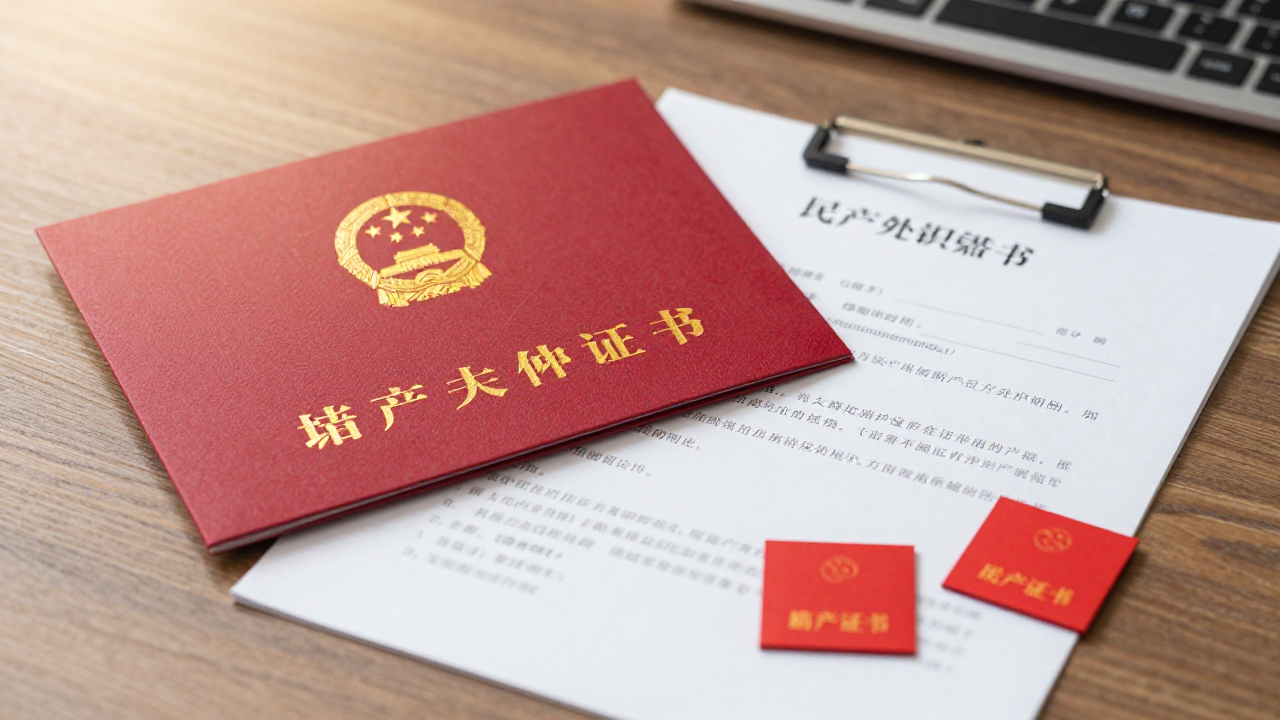
Foreign nationals interested in purchasing property in China must navigate a legal framework that differs fundamentally from freehold property systems in Western countries. The land tenure system, foreign ownership restrictions, and transaction procedures present specific considerations that prospective foreign buyers must understand before committing to a real estate purchase.
The Land Use Rights System
All land in China is owned by the state or by rural collectives. Individuals and companies cannot own land outright but instead acquire land use rights for fixed periods. Residential properties carry 70-year land use rights, commercial properties 40 years, and industrial properties 50 years. The land use right is separate from the building ownership right a purchaser buys the building but holds only use rights for the underlying land. The Property Law and the Civil Code guarantee that residential land use rights are automatically renewable upon expiry, though the renewal fee structure remains subject to future legislation. Commercial and industrial land use rights are also renewable, but renewal is not automatic and the terms are subject to negotiation with the government.
Foreign nationals should verify the remaining term of the land use right, as it directly affects the property's value. Properties with fewer than 30 years remaining may be difficult to finance or resell on the secondary market. When purchasing a property, the remaining land use term should be one of the key due diligence items, as it affects both the purchase price and the long-term value proposition. Buyers should also check whether the property is subject to any government expropriation plans, as properties in areas designated for redevelopment may carry additional risks.
Foreign Ownership Restrictions
Foreign individuals are permitted to purchase residential property in China under certain conditions. Since 2006, foreign nationals have been restricted to purchasing one property for their own residential use, and they must have worked or studied in China for at least one year. The property must be for self-occupation, not investment purposes. However, these restrictions have been relaxed in many cities in recent years as part of efforts to attract foreign talent, with some cities now allowing foreign nationals to purchase without the one-year residency requirement, while others maintain stricter controls. Foreign-invested enterprises are generally permitted to purchase commercial and industrial property for their business operations.
Agricultural land and land in certain sensitive areas remains closed to foreign ownership and use. Foreign buyers should also be aware of restrictions on pre-sale properties, which require the developer to have obtained specific permits and the buyer to pay a deposit into a regulated escrow account. The escrow account system is designed to protect buyers from developer insolvency, as the deposit funds cannot be used by the developer for purposes other than the construction of the specific project. Buyers should verify that the developer has obtained the pre-sale permit and that the escrow account is properly established before making any payment.
The Transaction Process
Property transactions in China involve several distinct stages. The buyer and seller first sign a preliminary purchase agreement and pay a deposit of 5 to 20 percent of the purchase price. The buyer then conducts due diligence, including title verification at the local real estate registration center, checking for encumbrances, liens, or disputes on the property, and verifying the seller's identity and authority to sell. For pre-sale properties, the buyer should verify that the developer has obtained the pre-sale permit and all necessary approvals from the relevant government authorities. The formal sale contract is signed when both parties execute the standard-form contract prescribed by the local housing authority.
The buyer pays the balance, and both parties submit documents to the registration center for title transfer. Registration is the critical step that transfers legal ownership, and the buyer's title is not protected until registration is completed. Transaction taxes include deed tax at 1 to 3 percent of the purchase price and value-added tax of 5 percent. Foreign buyers should be aware that additional taxes may apply to the resale of property, including a capital gains tax on the profit from the sale. The holding period for the property affects the applicable tax rate, with longer holding periods generally resulting in lower tax rates on resale.
Common Pitfalls for Foreign Buyers
Foreign buyers face several common pitfalls in Chinese real estate transactions. These include purchasing property without verifying clear title, buying pre-sale properties from developers with financial difficulties, entering into verbal agreements or side letters that contradict the registered contract, failing to register the property within the required time frame, and not understanding the tax implications of eventual resale. Foreign buyers should insist on written contracts for all aspects of the transaction, register the property promptly after purchase, retain all transaction documentation, and seek independent legal advice before signing any binding agreements.
Engaging a Chinese real estate lawyer and a licensed agent familiar with foreign buyer transactions is strongly recommended to navigate the process smoothly and avoid costly mistakes. Due diligence should include not only the property itself but also the reputation and financial standing of the developer, particularly for pre-sale properties. Foreign buyers should also consider the practical aspects of property ownership in China, including property management fees, utility costs, and the process for collecting rental income if the property is leased out. Understanding these ongoing costs and obligations before purchase can help avoid unpleasant surprises after the transaction is completed.
Real Property Application Notes
I plan enforcement first—assets, licenses, receivables, and interim measures—so strategy is not limited to winning on paper.
I document scope, assumptions, and decision rights at engagement start so foreign clients know what will be filed, who must approve, and when silence becomes a missed deadline.
Foreign individuals and companies typically need three workstreams in parallel: factual chronology, authority paperwork, and remedy selection. I keep those streams visible in status notes so headquarters can decide without re-reading the entire file. Where local counterparties rely on relationship pressure, I re-anchor discussions to contract text, statutory rights, and verifiable performance records. Fee arrangements, conflict checks, and confidentiality boundaries are confirmed before substantive drafting or filings begin. After key milestones I deliver a short handover: decisions made, open conditions, filing receipts, and calendar items for renewals or enforcement. This operating rhythm reduces repeat disputes and keeps institutional knowledge with the client rather than trapped in chat history.
- ⚖️ Written scope and remedy map
- 📜 Bilingual document control
- 🛡️ Deadline and limitation tracking
- 💼 Enforcement and settlement options in parallel
Operational Checklist for Foreign Readers
I document scope, assumptions, and decision rights at engagement start so foreign clients know what will be filed, who must approve, and when silence becomes a missed deadline.
I treat bilingual consistency as a risk control: chops, authority documents, and English summaries must tell the same commercial story.
Foreign individuals and companies typically need three workstreams in parallel: factual chronology, authority paperwork, and remedy selection. I keep those streams visible in status notes so headquarters can decide without re-reading the entire file. Where local counterparties rely on relationship pressure, I re-anchor discussions to contract text, statutory rights, and verifiable performance records. Fee arrangements, conflict checks, and confidentiality boundaries are confirmed before substantive drafting or filings begin. After key milestones I deliver a short handover: decisions made, open conditions, filing receipts, and calendar items for renewals or enforcement. This operating rhythm reduces repeat disputes and keeps institutional knowledge with the client rather than trapped in chat history.
- ⚖️ Written scope and remedy map
- 📜 Bilingual document control
- 🛡️ Deadline and limitation tracking
- 💼 Enforcement and settlement options in parallel
Risk Controls Before Escalation
I treat bilingual consistency as a risk control: chops, authority documents, and English summaries must tell the same commercial story.
I prefer early written notices and clean evidence indexes over informal WeChat-only chains when the amount or regulatory exposure is material.
Foreign individuals and companies typically need three workstreams in parallel: factual chronology, authority paperwork, and remedy selection. I keep those streams visible in status notes so headquarters can decide without re-reading the entire file. Where local counterparties rely on relationship pressure, I re-anchor discussions to contract text, statutory rights, and verifiable performance records. Fee arrangements, conflict checks, and confidentiality boundaries are confirmed before substantive drafting or filings begin. After key milestones I deliver a short handover: decisions made, open conditions, filing receipts, and calendar items for renewals or enforcement. This operating rhythm reduces repeat disputes and keeps institutional knowledge with the client rather than trapped in chat history.
- ⚖️ Written scope and remedy map
- 📜 Bilingual document control
- 🛡️ Deadline and limitation tracking
- 💼 Enforcement and settlement options in parallel

Feel free to send us an email or drop a call for free consultation.