
 Free Consultation
 Contact Us
Import and Export Customs Compliance in China
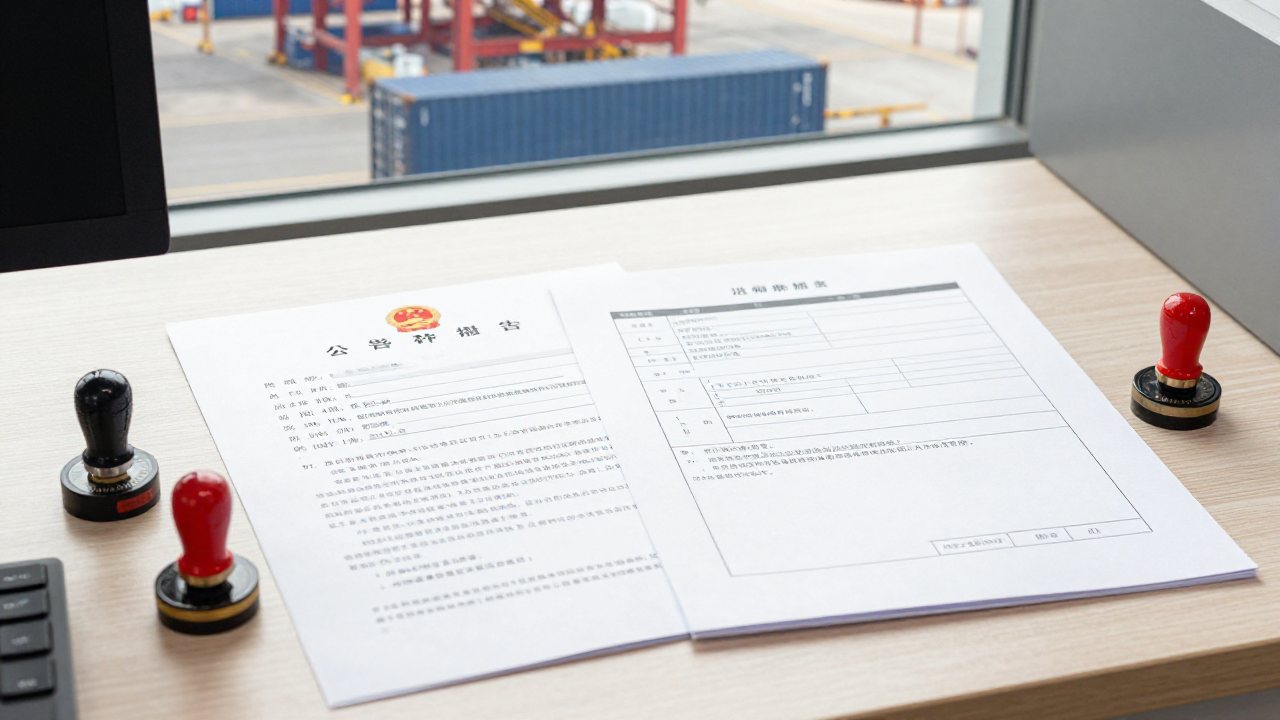
Customs compliance is a critical concern for foreign companies engaged in cross-border trade with China. The Chinese customs regulatory framework requires accurate classification, valuation, and documentation of imported and exported goods. Mistakes in customs declarations can result in significant penalties, shipment delays, and even criminal liability.
Customs Classification and Tariff Structure
Goods imported into China must be classified according to the Harmonized Commodity Description and Coding System under the Customs Tariff of the People's Republic of China. Each product category carries a specific tariff rate, which may be the most-favored-nation rate applicable to WTO member countries, the general rate for non-WTO countries, or a preferential rate under free trade agreements. The Customs Import and Export Tariff is updated annually, with over 8,000 tariff lines covering all categories of goods. Incorrect classification is one of the most common customs compliance errors and can result in underpayment or overpayment of duties, penalties of up to three times the evaded duty, and seizure of goods.
Companies should engage a licensed customs broker or customs attorney to review product classifications, particularly for products that could fall under multiple categories. Binding tariff classification rulings are available from the General Administration of Customs for companies seeking certainty on classification before importing, and these rulings are binding on customs authorities for the goods they cover. The ruling application process requires submitting detailed product specifications, composition, function, and intended use. Once obtained, a binding ruling provides legal certainty that can be invaluable for long-term import planning and budgeting.
Customs Valuation and Duty Calculation
Customs valuation in China follows the WTO Customs Valuation Agreement, with the transaction value being the primary method. The customs value is generally the price actually paid or payable for the imported goods, adjusted for certain additions including commissions and brokerage fees, container and packing costs, assists provided by the buyer, royalties and license fees related to the imported goods, and proceeds from subsequent resale that accrue to the seller. Import duties are calculated by applying the applicable tariff rate to the customs value. In addition to customs duties, imported goods are subject to value-added tax at rates of 13 percent for most goods or 9 percent for certain agricultural and essential goods, and some goods are also subject to consumption tax.
Related-party transactions receive particular scrutiny from Chinese customs authorities, who may examine whether the transaction value reflects the true market price and adjust the valuation if they determine the relationship influenced the price. Companies engaged in related-party imports should maintain robust transfer pricing documentation to support their declared values. The total tax burden on imported goods can be substantial, making accurate valuation essential to avoid both penalties for under-declaration and unnecessary costs from over-declaration. Customs audits increasingly use data analytics to identify valuation anomalies, making it more important than ever to maintain consistent and well-documented valuation practices.
Documentation and Compliance Requirements
Importers in China must file a customs declaration with supporting documents including the commercial invoice, packing list, bill of lading or airway bill, contract, certificate of origin where applicable, import license for restricted goods, and any other permits required for specific products such as food, chemicals, or medical devices. Since 2018, China has implemented a unified customs clearance system that integrates customs, inspection, and quarantine procedures into a single declaration filed through the China International Trade Single Window. Goods are classified into three inspection categories: green channel for low-risk goods that pass without inspection, yellow channel for goods requiring document review, and red channel for high-risk goods requiring physical inspection.
Companies that achieve Authorized Economic Operator certification can access reduced inspection rates and faster clearance times, making AEO certification a worthwhile investment for regular importers. The AEO certification process involves a comprehensive review of the company's customs compliance procedures, financial solvency, and security standards. Certified companies enjoy significant operational benefits including priority clearance, reduced document review, and mutual recognition arrangements with other countries' customs authorities. Maintaining AEO certification requires ongoing compliance monitoring and periodic re-certification, but the operational efficiencies gained typically justify the investment for companies with substantial import volumes.
Penalties and Risk Management
Customs violations in China carry significant consequences. Administrative penalties include fines of up to three times the value of the involved goods for smuggling, confiscation of goods, downgrade of customs clearance status, and revocation of import-export licenses. Criminal penalties for customs fraud and smuggling include imprisonment of up to life for the most serious offenses, fines, and confiscation of assets. Customs audits are conducted regularly, and companies selected for audit must provide full access to records for the preceding three years. To manage compliance risk, importers should implement an internal compliance program including regular staff training, periodic internal audits, engagement of licensed customs brokers, and retention of all import-export documentation for at least five years. Many foreign companies also purchase customs audit insurance to cover potential penalties from unintentional compliance errors, providing a financial safety net while the company strengthens its internal compliance procedures.
Key Words: Customs Valuation and Tariffs, Import and Export Compliance, Trade and Customs

Feel free to send us an email or drop a call for free consultation.
Related Legal Topics





Other lawyers have the same expertise

Qinglei Wang is a Chinese lawyer based in Shandong with extensive experience. Call or message the attorney through...

Wenqiao Chen is a Chinese lawyer based in Shandong with extensive experience. Call or message the attorney through...

Jingfang Guo is a Chinese lawyer based in Shandong with extensive experience. Call or message the attorney through...

Yan Lu is a Chinese lawyer based in Shandong with extensive experience. Call or message the attorney through the c...

Feng Gao is a Chinese lawyer based in Shandong with extensive experience. Call or message the attorney through the...

Hanlu Yang is a Chinese lawyer based in Shandong with extensive experience. Call or message the attorney through t...
Comments