
 Ask A Lawyer
 Contact Us
Setting Up a Foreign-Invested Company in Sichuan: Legal Requirements
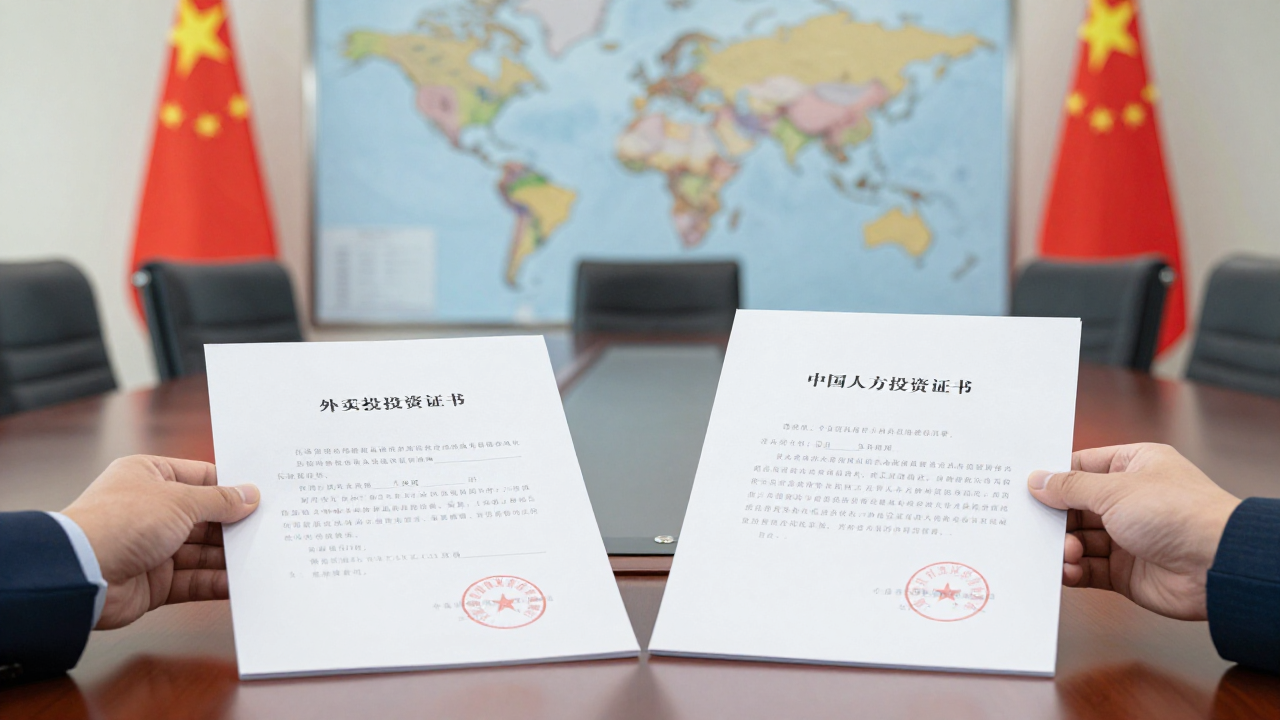
Setting up a foreign-invested company in China requires navigating a complex but increasingly streamlined regulatory landscape. The Foreign Investment Law of 2020 provides the unified legal framework for foreign investment, replacing the previous three separate laws governing wholly foreign-owned enterprises, equity joint ventures, and cooperative joint ventures. This reform has significantly simplified the company formation process and improved legal certainty for foreign investors.
The most common form of foreign-invested enterprise is the Wholly Foreign-Owned Enterprise (WFOE), which allows a foreign investor to own 100 percent of the company's equity. A WFOE offers maximum operational flexibility, protects proprietary technology and business methods, and allows for direct management control. Other options include equity joint ventures with Chinese partners, which may be required or advantageous in certain regulated industries, and contractual joint ventures, where profits are distributed according to contractual agreement rather than equity proportion. The choice of investment vehicle depends on the industry sector, investment scale, business objectives, and regulatory requirements under the Special Administrative Measures (Negative List) for foreign investment.
The company registration process involves multiple steps across several government agencies. The Foreign Investment Law replaced the previous approval-based system with a filing system for most industries, meaning that foreign investors in non-restricted sectors no longer need prior approval from the Ministry of Commerce. Instead, they register directly with the local Administration for Market Regulation. The process begins with name pre-approval through the online registration system, followed by preparation of constitutional documents including the articles of association, which must comply with the PRC Company Law and its 2023 amendments. After submitting the registration application with required documents including the certificate of incorporation of the foreign investor, the company's business license is typically issued within 5 to 15 working days. Post-license registrations include tax registration, social insurance registration, company seal registration with the public security bureau, and foreign exchange registration for capital account transactions. The entire process from start to finish typically takes 4 to 8 weeks when all documents are properly prepared.
For investors looking to establish in Sichuan Province, several incentives and advantages are available. The Chengdu High-Tech Zone and other development zones offer preferential policies including reduced corporate income tax rates of 15 percent for encouraged industries under the Western Development Strategy, customs duty exemptions on imported equipment used in production, research and development expense super-deductions, and streamlined administrative procedures through one-stop service centers. Sichuan has positioned itself as a hub for electronics manufacturing, biomedicine, aerospace, and modern logistics, with well-developed industrial parks and supply chain infrastructure. Foreign investors in these sectors may qualify for additional subsidies, rent reductions, and talent recruitment support.
Capital contribution requirements under the Company Law have been amended by the 2023 revision. The minimum registered capital requirement has been abolished for most industries, and the capital contribution period has been set at five years from the establishment of the company. Foreign investors may contribute capital in the form of cash, equipment, intellectual property, or other tangible or intangible assets, subject to valuation requirements. Capital contributions must be converted into RMB at the prevailing exchange rate and deposited into a designated capital account at a bank authorized to handle foreign exchange business. Proper documentation of capital contributions is essential for tax purposes and for repatriating profits and capital in the future. Engaging local legal counsel and accounting professionals familiar with both Sichuan's local practices and China's foreign investment regulations is strongly recommended for a smooth and compliant setup process.
Company Formation Application Notes
I prefer early written notices and clean evidence indexes over informal WeChat-only chains when the amount or regulatory exposure is material.
I convert complex Chinese procedure into a dated checklist with owners for translation, notarization, and internal sign-off across time zones.
Foreign individuals and companies typically need three workstreams in parallel: factual chronology, authority paperwork, and remedy selection. I keep those streams visible in status notes so headquarters can decide without re-reading the entire file. Where local counterparties rely on relationship pressure, I re-anchor discussions to contract text, statutory rights, and verifiable performance records. Fee arrangements, conflict checks, and confidentiality boundaries are confirmed before substantive drafting or filings begin. After key milestones I deliver a short handover: decisions made, open conditions, filing receipts, and calendar items for renewals or enforcement. This operating rhythm reduces repeat disputes and keeps institutional knowledge with the client rather than trapped in chat history.
- ⚖️ Written scope and remedy map
- 📜 Bilingual document control
- 🛡️ Deadline and limitation tracking
- 💼 Enforcement and settlement options in parallel
Operational Checklist for Foreign Readers
I convert complex Chinese procedure into a dated checklist with owners for translation, notarization, and internal sign-off across time zones.
I plan enforcement first—assets, licenses, receivables, and interim measures—so strategy is not limited to winning on paper.
Foreign individuals and companies typically need three workstreams in parallel: factual chronology, authority paperwork, and remedy selection. I keep those streams visible in status notes so headquarters can decide without re-reading the entire file. Where local counterparties rely on relationship pressure, I re-anchor discussions to contract text, statutory rights, and verifiable performance records. Fee arrangements, conflict checks, and confidentiality boundaries are confirmed before substantive drafting or filings begin. After key milestones I deliver a short handover: decisions made, open conditions, filing receipts, and calendar items for renewals or enforcement. This operating rhythm reduces repeat disputes and keeps institutional knowledge with the client rather than trapped in chat history.
- ⚖️ Written scope and remedy map
- 📜 Bilingual document control
- 🛡️ Deadline and limitation tracking
- 💼 Enforcement and settlement options in parallel
Risk Controls Before Escalation
I plan enforcement first—assets, licenses, receivables, and interim measures—so strategy is not limited to winning on paper.
I document scope, assumptions, and decision rights at engagement start so foreign clients know what will be filed, who must approve, and when silence becomes a missed deadline.
Foreign individuals and companies typically need three workstreams in parallel: factual chronology, authority paperwork, and remedy selection. I keep those streams visible in status notes so headquarters can decide without re-reading the entire file. Where local counterparties rely on relationship pressure, I re-anchor discussions to contract text, statutory rights, and verifiable performance records. Fee arrangements, conflict checks, and confidentiality boundaries are confirmed before substantive drafting or filings begin. After key milestones I deliver a short handover: decisions made, open conditions, filing receipts, and calendar items for renewals or enforcement. This operating rhythm reduces repeat disputes and keeps institutional knowledge with the client rather than trapped in chat history.
- ⚖️ Written scope and remedy map
- 📜 Bilingual document control
- 🛡️ Deadline and limitation tracking
- 💼 Enforcement and settlement options in parallel
Implementation Detail 1
I convert complex Chinese procedure into a dated checklist with owners for translation, notarization, and internal sign-off across time zones.
I plan enforcement first—assets, licenses, receivables, and interim measures—so strategy is not limited to winning on paper.
Foreign individuals and companies typically need three workstreams in parallel: factual chronology, authority paperwork, and remedy selection. I keep those streams visible in status notes so headquarters can decide without re-reading the entire file. Where local counterparties rely on relationship pressure, I re-anchor discussions to contract text, statutory rights, and verifiable performance records. Fee arrangements, conflict checks, and confidentiality boundaries are confirmed before substantive drafting or filings begin. After key milestones I deliver a short handover: decisions made, open conditions, filing receipts, and calendar items for renewals or enforcement. This operating rhythm reduces repeat disputes and keeps institutional knowledge with the client rather than trapped in chat history.
- ⚖️ Written scope and remedy map
- 📜 Bilingual document control
- 🛡️ Deadline and limitation tracking
- 💼 Enforcement and settlement options in parallel

Feel free to send us an email or drop a call for free consultation.