 Ask A Lawyer
 Contact Us
Trademark Registration and Protection in China: Essential Guide for Foreign Companies
Trademark Registration in China: A Guide for Foreign Businesses
Trademark protection in China operates under a first-to-file system, making early registration critical for foreign businesses entering the Chinese market. Understanding the registration process, requirements, and potential pitfalls is essential for protecting brand assets.
What Can Be Registered as a Trademark
Under Chinese trademark law, virtually any distinctive sign that can distinguish goods or services may be registered as a trademark. This includes words, graphics, letters, numbers, three-dimensional symbols, color combinations, sounds, and combinations of these elements. Foreign businesses can register both Chinese-character marks and their original-language brand names.
The Trademark Registration Process
The registration process involves several stages. First, a trademark search should be conducted to ensure the mark is not already registered or applied for by another party. The application is then filed with the China National Intellectual Property Administration (CNIPA). CNIPA conducts a formal examination followed by a substantive examination, which typically takes 3-5 months.
Examination and Publication
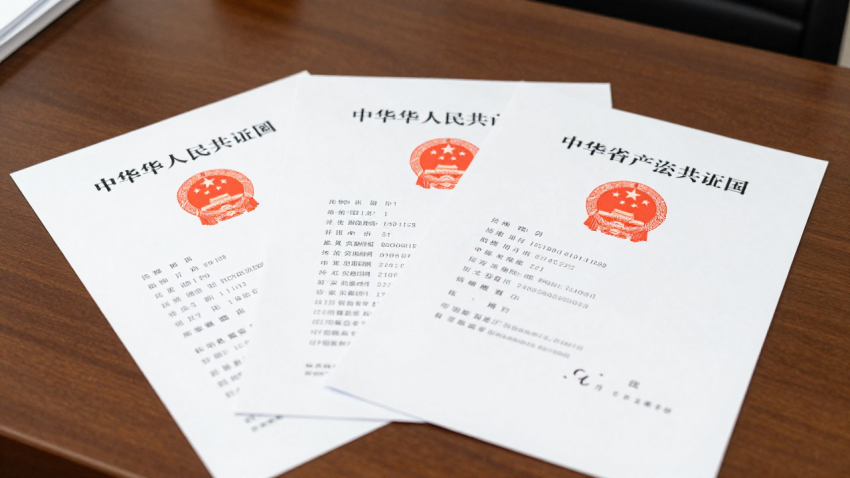
Once the trademark passes examination, it enters a three-month publication period during which third parties may file oppositions. If no oppositions are filed or if opposition proceedings are resolved in the applicant's favor, the trademark is registered and a certificate is issued. The entire process typically takes 8-12 months for straightforward applications.
Trademark Protection Period
Registered trademarks are valid for ten years from the registration date and may be renewed indefinitely for successive ten-year periods. Failure to renew within the prescribed period results in the trademark being declared invalid.
Enforcement Against Infringement
Trademark owners have several enforcement options when their rights are infringed. These include administrative complaints to the market supervision authority, civil litigation for damages, and criminal prosecution for serious counterfeiting cases. Customs recordation is also available to prevent the import or export of infringing goods.
Article 56 of the Trademark Law: The exclusive right to use a registered trademark is limited to the approved mark and the designated goods or services.
International Trademark Registration Strategies for China
Foreign businesses have several options for obtaining trademark protection in China. They may file directly with CNIPA under the Paris Convention (claiming priority from a home-country filing within 6 months), file through the Madrid System for international registration designating China, or file through the Chinese trademark agent system. The Madrid System is often more cost-effective for businesses seeking protection in multiple countries simultaneously, while direct filing offers more flexibility for China-specific strategies.
Trademark Infringement Enforcement
When trademark infringement is detected, rights holders have multiple enforcement avenues. Administrative enforcement through the local market supervision authority is the fastest and most cost-effective option for clear-cut cases. Civil litigation allows for damages claims including actual losses, illegal gains, or statutory damages of up to RMB 5 million. Criminal prosecution is available for severe cases involving counterfeit goods, with penalties including imprisonment and fines. Customs recordation with China Customs enables border measures to intercept infringing goods at ports of entry and exit.
Anti-Counterfeiting Measures
China has strengthened its anti-counterfeiting enforcement in recent years. Rights holders should implement comprehensive brand protection strategies including regular online and offline monitoring, test purchases, market surveys, and collaboration with local enforcement authorities. Recording trademarks with China Customs, establishing a relationship with local market supervision authorities, and engaging experienced IP investigation firms can significantly enhance enforcement effectiveness. The growing willingness of Chinese courts to award substantial damages and the increasing criminal prosecution of counterfeiters have improved the overall enforcement environment for foreign brand owners.
Trademark Opposition and Invalidation Proceedings
Third parties may oppose a trademark application during the three-month publication period, or seek invalidation of a registered trademark for reasons including non-use for three consecutive years, registration in bad faith, or conflict with prior rights. Foreign trademark owners should monitor the CNIPA trademark gazette for potentially conflicting applications and be prepared to file oppositions promptly. The opposition and invalidation procedures involve written submissions, evidence of prior rights or use, and in some cases, oral hearings. These proceedings can take 6-12 months but are essential for protecting brand rights against squatters and infringers.
Trademark Assignment and Licensing
Trademark rights in China may be transferred through assignment or licensed to third parties. Assignments must be recorded with CNIPA to be effective against third parties. License agreements may be exclusive, sole, or non-exclusive, and should specify quality control standards, territory, duration, and royalty arrangements. Recording trademark licenses with CNIPA is recommended to ensure the licensee's rights are protected. Foreign companies entering into trademark license agreements with Chinese entities should pay particular attention to quality control provisions, termination rights, and dispute resolution mechanisms to adequately protect their brand reputation in the Chinese market.
Trademark Portfolio Management Strategies
Effective trademark portfolio management requires proactive monitoring. Rights holders should conduct regular trademark searches, monitor the publication period for oppositions, and manage renewal dates. Audits should assess whether registrations cover all relevant goods and services, whether defensive registrations are needed, and whether marks are used to avoid non-use cancellations. A comprehensive trademark strategy aligned with business objectives maximizes IP investment returns in the Chinese market.
Building a Comprehensive IP Protection Strategy for China
Foreign companies seeking to protect their intellectual property in China should adopt a multi-layered strategy that addresses all aspects of IP rights management. A comprehensive strategy includes registering trademarks and patents early, monitoring for potential infringements, establishing enforcement procedures, and maintaining a robust evidence chain documenting IP ownership and use. China operates under a first-to-file system for trademarks, meaning that companies that delay registration risk losing their brand rights to squatters who register marks in bad faith. Proactive monitoring through trademark watch services helps identify conflicting applications during the opposition period. Customs recordation enables border enforcement against counterfeit goods. Building relationships with local enforcement authorities in key markets facilitates more effective action against infringers. A well-designed IP strategy aligned with business objectives and supported by experienced local IP counsel provides the strongest foundation for protecting brand value and competitive advantage in the Chinese market.
International Trademark Registration through the Madrid System
The Madrid System provides a streamlined mechanism for international trademark registration that is particularly useful for foreign companies seeking protection in China alongside other jurisdictions. By filing a single international application through the World Intellectual Property Organization, applicants can designate China and other Madrid member countries for trademark protection. The Madrid System offers advantages including simplified filing procedures, centralized renewal management, and potential cost savings for multi-country portfolios. However, the Madrid designation for China is subject to the same substantive examination as national applications, and the China National Intellectual Property Administration may issue provisional refusals on absolute or relative grounds. Applicants must respond to office actions within the prescribed period, typically three months, through a local Chinese agent. The Madrid route is generally recommended for companies with existing home-country registrations who seek coordinated international protection, while direct filing in China may be more appropriate for companies focused exclusively on the Chinese market or requiring specialized China-specific trademark strategies.
Trademark Enforcement Against Online Infringement
Online trademark infringement has become increasingly prevalent with the growth of e-commerce in China. Rights holders have several tools to combat online infringement including platform-based takedown procedures under the E-commerce Law, administrative complaints to the local market supervision authority, and civil litigation against infringers. Major e-commerce platforms including Alibaba, JD.com, and Pinduoduo have established intellectual property protection platforms that allow rights holders to submit infringement notices and request removal of infringing listings. Platform takedown procedures are typically faster and more cost-effective than formal legal action, though they may need to be repeated as new listings appear. Persistent or large-scale infringers may require escalation through administrative enforcement or civil litigation. Recordation of trademark rights with platform IP protection systems enables automated monitoring and expedited processing of infringement notices. A coordinated online enforcement strategy combining platform actions, administrative complaints, and targeted litigation provides the most effective approach to combating e-commerce trademark infringement in China.

Feel free to send us an email or drop a call for free consultation.