
 Ask A Lawyer
 Contact Us
Foreigner Work Permits and Residence in China: A Complete Guide for Foreign Nationals
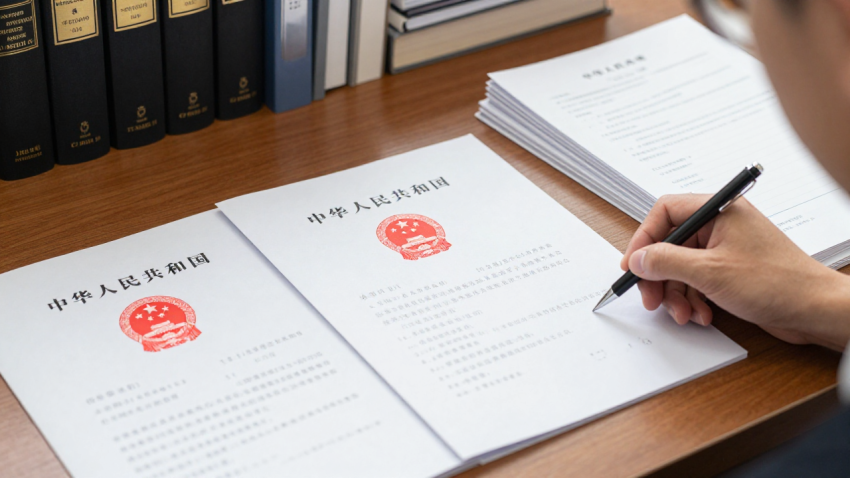
Foreigner Work Permits and Residence in China: What Foreign Nationals Need to Know
Foreign nationals seeking to work and reside in China must navigate a comprehensive legal framework governing entry, exit, and residence. The system is designed to regulate the inflow of foreign talent while ensuring compliance with Chinese immigration laws and labor market needs.
The Legal Framework for Foreign Employment in China
Under the Exit and Entry Administration Law of the People's Republic of China (Article 41), foreigners working in China must obtain both a work permit and a work-type residence permit. This dual-requirement system ensures that foreign workers are properly documented and their employment complies with Chinese regulations.
Article 41 of the Exit and Entry Administration Law: "Foreigners who work in China shall obtain work permits and work-type residence permits in accordance with relevant regulations."
Basic Conditions for Foreign Workers
Foreign nationals applying for a work permit in China must meet several fundamental criteria:
- 🆔 Be at least 18 years old
- ✅ Possess good health
- 🔍 Have no criminal record
- 🏢 Have a confirmed employer in China
- 🎓 Possess the necessary professional skills or knowledge for the position
- 📈 Be engaged in work that meets China's economic and social development needs
Employer Requirements
Employers hiring foreign workers must also satisfy specific conditions. The employer must be legally established with no serious records of dishonesty or legal violations. The position offered to the foreign national must be one for which there is a special need and for which no suitable domestic candidate is readily available. Additionally, the salary paid to the foreign employee must not be lower than the local minimum wage standard.
The Work Permit Application Process
The processing of foreign work permits follows a structured timeline. The statutory processing period is 20 working days, while the committed processing period is typically 5 working days for complete applications. The process involves several stages:
| Stage | Description | Timeline |
|---|---|---|
| 1 | Employer registration and position filing | 1-3 days |
| 2 | Foreign worker notification letter application | 5-10 days |
| 3 | Z visa application at Chinese embassy abroad | 4-7 days |
| 4 | Entry into China and temporary accommodation registration | 24 hours |
| 5 | Work permit card application | 5-10 days |
| 6 | Work-type residence permit application | 7-15 days |
Categories of Foreign Workers
China classifies foreign workers into three categories based on the market demand for their skills:
- 🌟 Category A (High-end): Talented individuals with exceptional skills, including scientists, entrepreneurs, and senior managers. These applicants enjoy expedited processing and extended visa durations.
- 📊 Category B (Professional): Foreign professionals with bachelor's degrees and at least two years of relevant work experience. This is the most common category for expatriate employees.
- 📋 Category C (Ordinary): Workers in limited supply who meet specific labor market needs, subject to quota restrictions.
Residence Permits for Foreign Nationals
Once in China on a valid work permit, foreign nationals must apply for a work-type residence permit from the local public security bureau's exit-entry administration. This permit serves as both a visa and a legal identification document within China. The residence permit duration typically matches the employment contract period, up to a maximum of five years.
Renewal and Changes
Foreign workers must renew their work and residence permits before expiration. Any changes in employment, such as changing employers or job positions, require notification and re-approval from the relevant authorities. Failure to maintain valid permits may result in fines, detention, or deportation.
Practical Guidance for Foreign Nationals in Datong and Shanxi
For foreign nationals working or planning to work in Shanxi Province, particularly in cities like Datong, it is essential to work with experienced legal counsel who understands both national immigration policies and local implementation practices. A lawyer specializing in entry and exit permits can assist with document preparation, application submission, and compliance maintenance throughout the employment period.
Practical Considerations for Foreign Nationals in Shanxi
Foreign nationals working in Shanxi Province, particularly in Datong or Taiyuan, should be aware of specific local implementation practices that may differ from first-tier cities. The local Exit-Entry Administration Bureau handles residence permit applications and extensions, and processing times may vary. It is essential to maintain valid residence permits at all times, as overstaying can result in fines of RMB 500 per day, detention, and potential deportation. Foreign workers should also register their accommodation with the local public security bureau within 24 hours of moving to a new residence.
Family Members and Dependents
Foreign workers may bring their spouse and minor children to China under S-type dependent visas. Dependents must also register their residence and obtain appropriate visa status. Children of foreign workers may attend international schools, which are available in Taiyuan and other major Shanxi cities. Understanding the visa options for family members is an important part of comprehensive immigration planning for expatriates assigned to Shanxi.
Permanent Residence Pathways
Foreign nationals who have worked in China for at least four consecutive years with a cumulative residence period of no less than three years, who meet specific salary and tax payment thresholds, may be eligible to apply for permanent residence (China Green Card). The application process is rigorous and requires extensive documentation, including tax payment certificates, no-criminal-record certifications from both China and the applicant's home country, and proof of stable housing and income. Professional legal assistance significantly improves the chances of a successful application.
Employer Obligations for Foreign Workers
Employers hiring foreign nationals in China bear significant legal obligations. These include applying for and renewing work permits before expiration, ensuring compliance with visa conditions, maintaining accurate employment records, registering the employment contract with the local labor bureau, contributing to social insurance funds (pension, medical, unemployment, work injury, and maternity) for foreign employees where required by local regulations, and providing a safe working environment. Failure to meet these obligations can result in administrative fines, suspension of the employer's right to hire foreign workers, and potential legal liability for damages suffered by the foreign employee.
Changing Employers Within China
Foreign workers wishing to change employers within China must follow a specific procedure. The new employer must apply for a new work permit, and the foreign worker must change their residence permit accordingly. The process typically requires the release letter from the previous employer, new employment contract, and updated documentation. Foreign workers cannot legally commence work for a new employer until the work permit transfer is approved. The transition period can take 15-30 working days, during which the foreign worker's legal status must be carefully managed to avoid any gap in lawful residence status.
Long-Term Residence Pathways for Foreign Nationals
Foreign nationals with extended residence may explore permanent residence options. The China Green Card provides simplified entry and exit privileges and the right to reside without time limits. Eligibility includes investment (minimum USD 500,000 in encouraged industries in western regions), talent (senior positions with four years residence), or family reunion. Those making exceptional contributions may qualify through special recommendation channels.
Essential Knowledge for Foreign Nationals Working in China
Foreign nationals planning to work in China should approach the immigration process with thorough preparation and professional guidance. The work permit and residence permit system is designed to regulate foreign employment while attracting skilled talent needed for China economic development. Understanding the classification system, preparing complete documentation, and maintaining compliance with all visa conditions are essential for a successful assignment in China. Foreign workers should be aware that their legal status in China is closely tied to their employment relationship, and any change in employment status requires prompt action to maintain lawful residence. Engaging experienced immigration counsel, maintaining valid permits at all times, and staying informed about policy changes are prudent practices for foreign nationals working in China. With proper planning and compliance, foreign professionals can enjoy rewarding careers in China while contributing their skills to the country continued development. The growing internationalization of Chinese cities and the increasing availability of support services for expatriates make China an increasingly attractive destination for foreign talent across all professional Fields.

Feel free to send us an email or drop a call for free consultation.