 Ask A Lawyer
 Contact Us
Trademark Registration in China: A Practical Guide for Foreign Brands

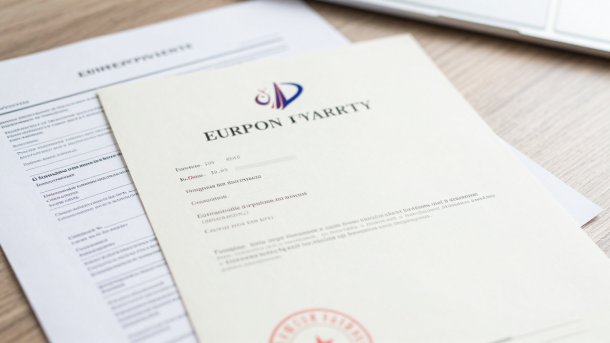
Trademark registration in China operates on a first-to-file basis, meaning that the first person to file a trademark application obtains the exclusive rights, regardless of prior use or reputation in other countries. This fundamental principle of Chinese trademark law makes it essential for foreign brands to register their trademarks in China early, ideally before entering the market or even before disclosing their brand in China to potential business partners.
The China National Intellectual Property Administration (CNIPA) handles trademark registration at the national level. The process takes approximately 6 to 12 months from filing to registration for straightforward applications, though more complex cases or those facing opposition may take longer. The application must include a clear representation of the mark, a list of goods and services classified according to the Nice Classification system, and the applicant's identification documents. China uses a multi-class application system that allows one application to cover multiple international classes, reducing filing costs for brands seeking broad protection. The application fee structure is based on the number of classes claimed, with CNIPA charging approximately 300 RMB for the first class and additional fees for each additional class.
One of the most significant challenges for foreign brands in China is trademark squatting, where a third party registers a well-known foreign trademark in China before the brand owner does. This practice exploits China's first-to-file system and has affected countless international brands across all industries. Squatters often register marks with no intention of using them, seeking instead to sell the registration to the brand owner at an inflated price. To combat trademark squatting, brand owners have several legal remedies. Within three months of a trademark's publication in the Trademark Gazette, the brand owner may file an opposition against the application based on prior rights or prior use. After registration, the brand owner may petition for invalidation of the squatted mark within five years of registration, or at any time if the mark was registered in bad faith. Well-known marks that can demonstrate substantial reputation in China enjoy stronger protection and may be able to challenge squatted registrations in a broader range of classes. However, opposition and invalidation proceedings are time-consuming, typically taking one to three years, and can cost tens of thousands of dollars in legal fees.
Trademark infringement in China can be enforced through several complementary mechanisms. Administrative enforcement through complaints to the local Administration for Market Regulation is often the fastest and most cost-effective option, with authorities empowered to conduct raids, seize infringing goods, and impose administrative fines. Civil litigation in the People's Court allows brand owners to claim damages, injunctive relief, and destruction of infringing goods. Patent infringement damages in China may include the actual losses suffered by the trademark owner, the profits earned by the infringer, or statutory damages of up to 5 million RMB. Criminal prosecution is available for serious cases of trademark counterfeiting, with penalties including imprisonment and criminal fines.
Foreign brand owners should develop a comprehensive China trademark strategy that includes conducting trademark clearance searches before entering the market, filing trademark applications in all relevant classes early, monitoring the Trademark Gazette for potentially conflicting applications, recording trademark licenses and assignments with CNIPA, and developing a brand protection enforcement plan. Registration with the General Administration of Customs for border enforcement allows brand owners to request customs seizure of suspected infringing goods at Chinese ports. A well-executed trademark strategy not only protects brand value but also creates a valuable intangible asset that can enhance the company's valuation in the Chinese market.
IP Law Application Notes
I treat bilingual consistency as a risk control: chops, authority documents, and English summaries must tell the same commercial story.
I prefer early written notices and clean evidence indexes over informal WeChat-only chains when the amount or regulatory exposure is material.
Foreign individuals and companies typically need three workstreams in parallel: factual chronology, authority paperwork, and remedy selection. I keep those streams visible in status notes so headquarters can decide without re-reading the entire file. Where local counterparties rely on relationship pressure, I re-anchor discussions to contract text, statutory rights, and verifiable performance records. Fee arrangements, conflict checks, and confidentiality boundaries are confirmed before substantive drafting or filings begin. After key milestones I deliver a short handover: decisions made, open conditions, filing receipts, and calendar items for renewals or enforcement. This operating rhythm reduces repeat disputes and keeps institutional knowledge with the client rather than trapped in chat history.
- ⚖️ Written scope and remedy map
- 📜 Bilingual document control
- 🛡️ Deadline and limitation tracking
- 💼 Enforcement and settlement options in parallel
Operational Checklist for Foreign Readers
I prefer early written notices and clean evidence indexes over informal WeChat-only chains when the amount or regulatory exposure is material.
I convert complex Chinese procedure into a dated checklist with owners for translation, notarization, and internal sign-off across time zones.
Foreign individuals and companies typically need three workstreams in parallel: factual chronology, authority paperwork, and remedy selection. I keep those streams visible in status notes so headquarters can decide without re-reading the entire file. Where local counterparties rely on relationship pressure, I re-anchor discussions to contract text, statutory rights, and verifiable performance records. Fee arrangements, conflict checks, and confidentiality boundaries are confirmed before substantive drafting or filings begin. After key milestones I deliver a short handover: decisions made, open conditions, filing receipts, and calendar items for renewals or enforcement. This operating rhythm reduces repeat disputes and keeps institutional knowledge with the client rather than trapped in chat history.
- ⚖️ Written scope and remedy map
- 📜 Bilingual document control
- 🛡️ Deadline and limitation tracking
- 💼 Enforcement and settlement options in parallel
Risk Controls Before Escalation
I convert complex Chinese procedure into a dated checklist with owners for translation, notarization, and internal sign-off across time zones.
I plan enforcement first—assets, licenses, receivables, and interim measures—so strategy is not limited to winning on paper.
Foreign individuals and companies typically need three workstreams in parallel: factual chronology, authority paperwork, and remedy selection. I keep those streams visible in status notes so headquarters can decide without re-reading the entire file. Where local counterparties rely on relationship pressure, I re-anchor discussions to contract text, statutory rights, and verifiable performance records. Fee arrangements, conflict checks, and confidentiality boundaries are confirmed before substantive drafting or filings begin. After key milestones I deliver a short handover: decisions made, open conditions, filing receipts, and calendar items for renewals or enforcement. This operating rhythm reduces repeat disputes and keeps institutional knowledge with the client rather than trapped in chat history.
- ⚖️ Written scope and remedy map
- 📜 Bilingual document control
- 🛡️ Deadline and limitation tracking
- 💼 Enforcement and settlement options in parallel
Implementation Detail 1
I prefer early written notices and clean evidence indexes over informal WeChat-only chains when the amount or regulatory exposure is material.
I convert complex Chinese procedure into a dated checklist with owners for translation, notarization, and internal sign-off across time zones.
Foreign individuals and companies typically need three workstreams in parallel: factual chronology, authority paperwork, and remedy selection. I keep those streams visible in status notes so headquarters can decide without re-reading the entire file. Where local counterparties rely on relationship pressure, I re-anchor discussions to contract text, statutory rights, and verifiable performance records. Fee arrangements, conflict checks, and confidentiality boundaries are confirmed before substantive drafting or filings begin. After key milestones I deliver a short handover: decisions made, open conditions, filing receipts, and calendar items for renewals or enforcement. This operating rhythm reduces repeat disputes and keeps institutional knowledge with the client rather than trapped in chat history.
- ⚖️ Written scope and remedy map
- 📜 Bilingual document control
- 🛡️ Deadline and limitation tracking
- 💼 Enforcement and settlement options in parallel

Feel free to send us an email or drop a call for free consultation.