
 Ask A Lawyer
 Contact Us
Import and Export Compliance in China: Customs Regulations, Tariffs, and Trade Legal Essentials for Foreign SMEs
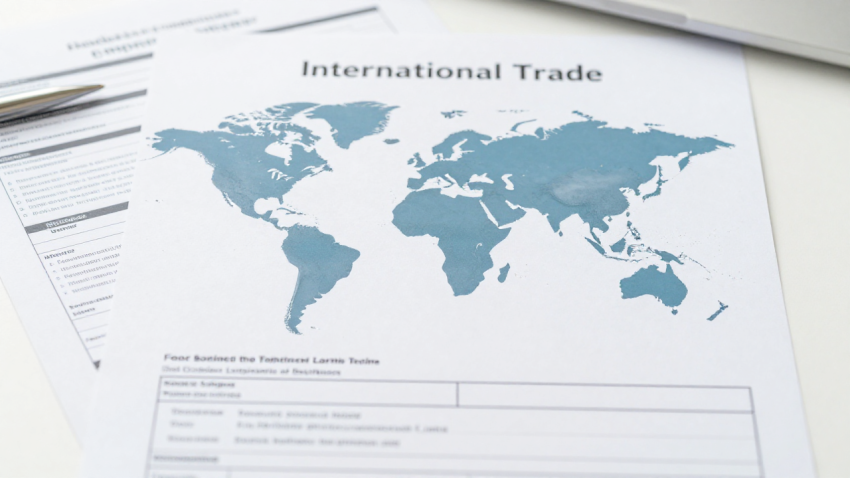
Importing goods into or exporting goods from China requires careful compliance with customs regulations, tariff classifications, and trade documentation requirements. For foreign small and medium enterprises entering the Chinese market, understanding the customs clearance process, tariff structure, and compliance obligations is essential to avoid costly delays, penalties, or seizure of goods. This guide provides a practical overview of import-export compliance under Chinese customs law.
Regulatory Framework for Import and Export
Import and export compliance in China is governed by the Customs Law of the People's Republic of China, most recently amended in 2021, and the Foreign Trade Law of the People's Republic of China. The General Administration of Customs is the primary regulatory authority overseeing all import and export activities. Under the Customs Law, all goods imported into or exported from China must be declared to customs with accurate information regarding classification, value, and origin. The customs clearance process involves submission of the customs declaration form, commercial invoice, packing list, bill of lading or air waybill, and any required licenses or permits.
Tariff Classification and Valuation
Goods imported into China are classified according to the Harmonized Commodity Description and Coding System, with additional China-specific subheadings at the 8 to 10-digit level. Tariff rates vary by product category, with most-favored-nation rates ranging from 0% to 65%. The Customs Valuation Agreement, as implemented by China, provides that the customs value of imported goods shall be the transaction value, defined as the price actually paid or payable for the goods when sold for export to China. If the transaction value cannot be determined, customs applies alternative methods in a prescribed order.
Restricted and Prohibited Goods
Certain goods are subject to import or export restrictions and require specific licenses or permits. Restricted imports include certain chemicals, pharmaceuticals, food products, and agricultural goods that require import licenses from the relevant authorities. Dual-use items and technologies that could be used for both civilian and military purposes require export licenses from the Ministry of Commerce. Prohibited imports include goods that endanger national security or public interests, counterfeit products, and certain hazardous wastes. Foreign companies should verify whether their products fall under restricted categories before shipping to China.
Compliance Best Practices for Foreign SMEs
To ensure import-export compliance, foreign SMEs should correctly classify their products under the HS Code system before shipping, maintain accurate records of all import-export transactions for at least three years, work with a licensed customs broker who is registered with the GAC, verify that their Chinese trading partners have proper import-export licenses, and establish internal compliance procedures covering classification, valuation, and record-keeping. Non-compliance can result in customs penalties, seizure of goods, and inclusion on the customs credit blacklist. Engaging a trade compliance lawyer in Anhui can help foreign businesses navigate the regulatory requirements efficiently.
Trade Law Application Notes
I document scope, assumptions, and decision rights at engagement start so foreign clients know what will be filed, who must approve, and when silence becomes a missed deadline.
I treat bilingual consistency as a risk control: chops, authority documents, and English summaries must tell the same commercial story.
Foreign individuals and companies typically need three workstreams in parallel: factual chronology, authority paperwork, and remedy selection. I keep those streams visible in status notes so headquarters can decide without re-reading the entire file. Where local counterparties rely on relationship pressure, I re-anchor discussions to contract text, statutory rights, and verifiable performance records. Fee arrangements, conflict checks, and confidentiality boundaries are confirmed before substantive drafting or filings begin. After key milestones I deliver a short handover: decisions made, open conditions, filing receipts, and calendar items for renewals or enforcement. This operating rhythm reduces repeat disputes and keeps institutional knowledge with the client rather than trapped in chat history.
- ⚖️ Written scope and remedy map
- 📜 Bilingual document control
- 🛡️ Deadline and limitation tracking
- 💼 Enforcement and settlement options in parallel
Operational Checklist for Foreign Readers
I treat bilingual consistency as a risk control: chops, authority documents, and English summaries must tell the same commercial story.
I prefer early written notices and clean evidence indexes over informal WeChat-only chains when the amount or regulatory exposure is material.
Foreign individuals and companies typically need three workstreams in parallel: factual chronology, authority paperwork, and remedy selection. I keep those streams visible in status notes so headquarters can decide without re-reading the entire file. Where local counterparties rely on relationship pressure, I re-anchor discussions to contract text, statutory rights, and verifiable performance records. Fee arrangements, conflict checks, and confidentiality boundaries are confirmed before substantive drafting or filings begin. After key milestones I deliver a short handover: decisions made, open conditions, filing receipts, and calendar items for renewals or enforcement. This operating rhythm reduces repeat disputes and keeps institutional knowledge with the client rather than trapped in chat history.
- ⚖️ Written scope and remedy map
- 📜 Bilingual document control
- 🛡️ Deadline and limitation tracking
- 💼 Enforcement and settlement options in parallel
Risk Controls Before Escalation
I prefer early written notices and clean evidence indexes over informal WeChat-only chains when the amount or regulatory exposure is material.
I convert complex Chinese procedure into a dated checklist with owners for translation, notarization, and internal sign-off across time zones.
Foreign individuals and companies typically need three workstreams in parallel: factual chronology, authority paperwork, and remedy selection. I keep those streams visible in status notes so headquarters can decide without re-reading the entire file. Where local counterparties rely on relationship pressure, I re-anchor discussions to contract text, statutory rights, and verifiable performance records. Fee arrangements, conflict checks, and confidentiality boundaries are confirmed before substantive drafting or filings begin. After key milestones I deliver a short handover: decisions made, open conditions, filing receipts, and calendar items for renewals or enforcement. This operating rhythm reduces repeat disputes and keeps institutional knowledge with the client rather than trapped in chat history.
- ⚖️ Written scope and remedy map
- 📜 Bilingual document control
- 🛡️ Deadline and limitation tracking
- 💼 Enforcement and settlement options in parallel
Implementation Detail 1
I treat bilingual consistency as a risk control: chops, authority documents, and English summaries must tell the same commercial story.
I prefer early written notices and clean evidence indexes over informal WeChat-only chains when the amount or regulatory exposure is material.
Foreign individuals and companies typically need three workstreams in parallel: factual chronology, authority paperwork, and remedy selection. I keep those streams visible in status notes so headquarters can decide without re-reading the entire file. Where local counterparties rely on relationship pressure, I re-anchor discussions to contract text, statutory rights, and verifiable performance records. Fee arrangements, conflict checks, and confidentiality boundaries are confirmed before substantive drafting or filings begin. After key milestones I deliver a short handover: decisions made, open conditions, filing receipts, and calendar items for renewals or enforcement. This operating rhythm reduces repeat disputes and keeps institutional knowledge with the client rather than trapped in chat history.
- ⚖️ Written scope and remedy map
- 📜 Bilingual document control
- 🛡️ Deadline and limitation tracking
- 💼 Enforcement and settlement options in parallel
Implementation Detail 2
I plan enforcement first—assets, licenses, receivables, and interim measures—so strategy is not limited to winning on paper.
I document scope, assumptions, and decision rights at engagement start so foreign clients know what will be filed, who must approve, and when silence becomes a missed deadline.
Foreign individuals and companies typically need three workstreams in parallel: factual chronology, authority paperwork, and remedy selection. I keep those streams visible in status notes so headquarters can decide without re-reading the entire file. Where local counterparties rely on relationship pressure, I re-anchor discussions to contract text, statutory rights, and verifiable performance records. Fee arrangements, conflict checks, and confidentiality boundaries are confirmed before substantive drafting or filings begin. After key milestones I deliver a short handover: decisions made, open conditions, filing receipts, and calendar items for renewals or enforcement. This operating rhythm reduces repeat disputes and keeps institutional knowledge with the client rather than trapped in chat history.
- ⚖️ Written scope and remedy map
- 📜 Bilingual document control
- 🛡️ Deadline and limitation tracking
- 💼 Enforcement and settlement options in parallel

Feel free to send us an email or drop a call for free consultation.